Whole Wheat Bread and Nut Loaf Recipes
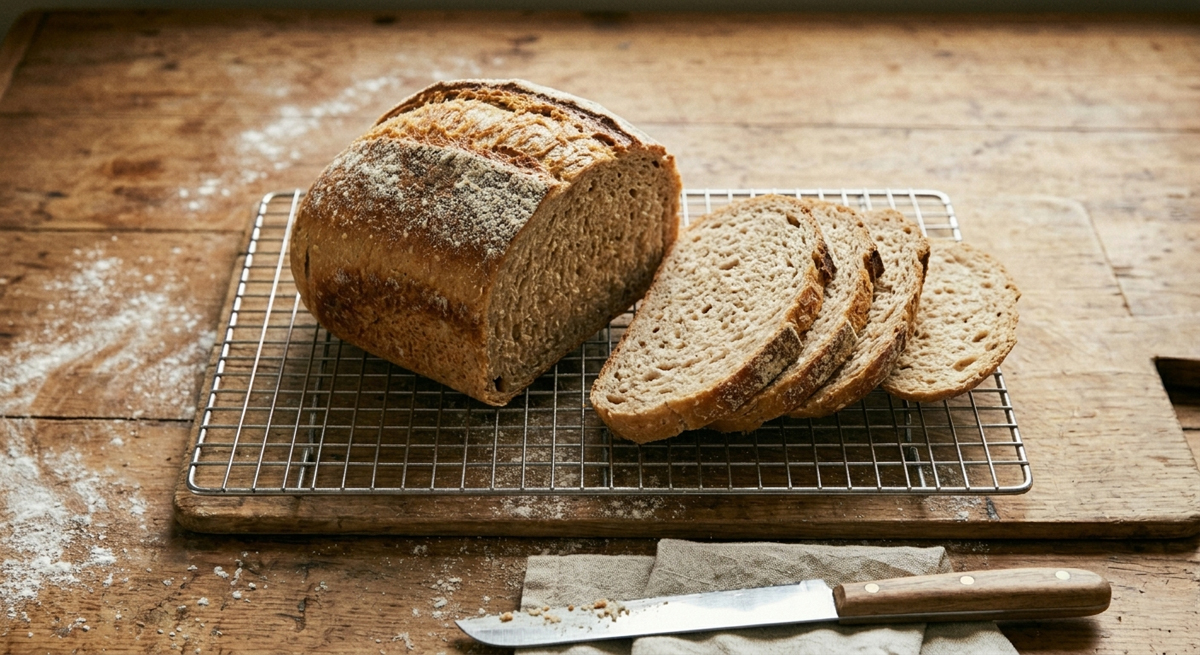
There are two recipes for quite different types of bread, both made from scratch with no artificial ingredients. The first is whole wheat bread, and the second is a nut loaf.
Whole Wheat Bread
Ingredients:
- 1 pint milk (or milk and water)
- 2 tablespoons molasses
- 2 tablespoons shortening
- 2 teaspoons salt
- 1 yeast cake
- 1/4 cup lukewarm water
- About 6 cups whole wheat flour
Directions:
Scald milk and shortening together. Let cool until lukewarm. Add salt and molasses. Dissolve the yeast cake in the lukewarm water, and then add to the milk and shortening mixture.
In a large mixing bowl, combine flour with the first mixture. Stir in well. Knead until smooth and elastic. Cover closely and allow dough to rise until it has doubled in bulk.
Divide the dough into two portions and form the two portions into loaves. Place loaves in greased bread pans. Allow them to rise again until they have doubled again in bulk.
Bake at 350 degrees for 45 to 60 minutes.
The ancient Egyptians used moldy bread to treat infections that arose from dirt in burn wounds. [source]
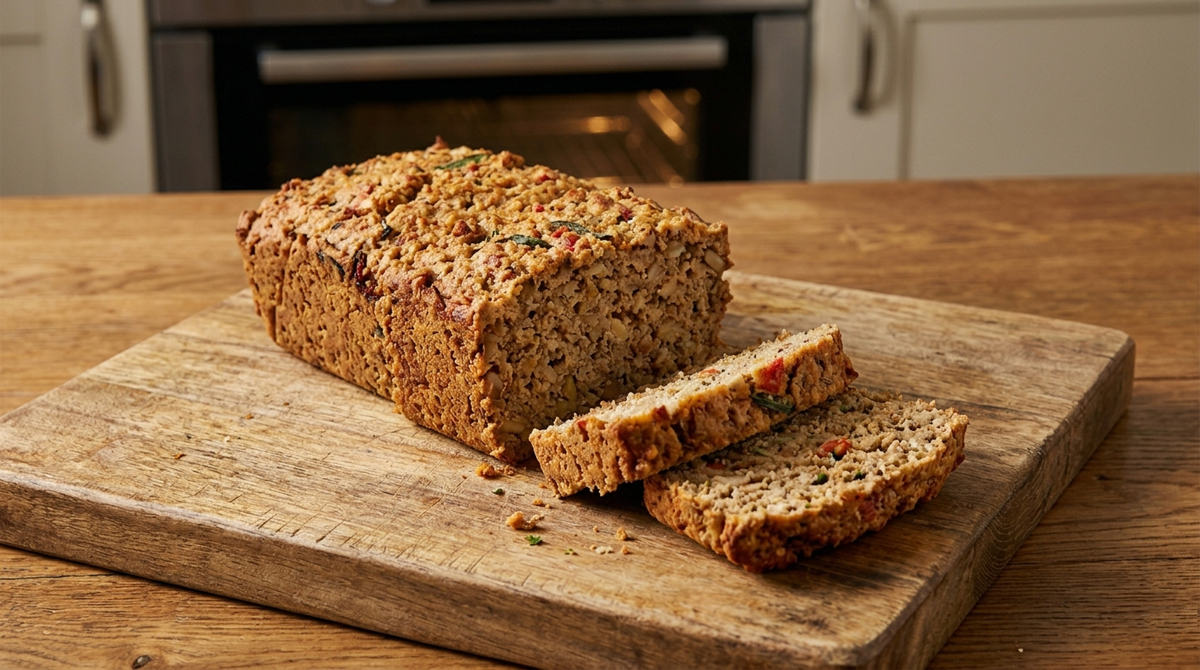
Nut Loaf
Ingredients:
- 2 cups ground mixed nuts
- 2 3/4 cups bread crumbs
- 1 cup milk
- 1 cup tomato juice
- 2 eggs
- 1 1/2 teaspoons sage
- 1 tablespoon ground onion
- 1 3/4 teaspoons salt
- 1/3 teaspoon pepper
Directions:
Combine all ingredients in the order listed. Let stand for 30 minutes. Shape into a loaf. Place in a well-greased bread pan. Bake at 375 degrees for 40 minutes.
The Author:
For ideas and tips on homemaking, cooking, crafts, family life, gardening, and family history, visit http://www.oldfashionedhomemaking.com.
Photo. Gemini
The Pioneer Bread Basket: Daily Life and Traditions
by pioneerthinking.com
Bread was the undisputed “staff of life” for pioneers. Without modern grocery stores, the rhythm of the household was often dictated by the oven and the grain supply.
Common Flour and Varieties
While pioneers did make whole wheat bread (often referred to as “graham bread”), its prevalence depended on the nearest grist mill. Cornbread was actually the most common bread type for many early settlers, especially on the trail or in new settlements, as corn was easier to cultivate and grind than wheat. As communities established themselves, mixed-grain loaves—combining rye, corn, and wheat—became kitchen staples.
Baking Frequency and Quantity
Baking was a massive undertaking, typically performed once or twice a week. Because heating a large brick or cast-iron oven required significant time and firewood, it was impractical to bake daily. A typical household would bake 6 to 12 large loaves in a single session to ensure the family was fed until the next designated baking day.
Preservation Without Chemicals
Without modern preservatives, pioneers relied on natural methods to keep their stores edible:
-
Ingredients: Adding molasses, honey, or lard helped retain moisture and slowed the staling process.
-
Sourdough: The natural acidity in sourdough starters acted as a mild preservative, extending the shelf life of the bread compared to other leavening agents.
-
Storage: Once cooled, loaves were wrapped in heavy linen cloths and kept in wooden bread boxes or cool, dry cellars to prevent mold and drying.
Special Loaves: Raisins and Nuts
While plain bread was the daily standard, pioneers incorporated seasonal finds for variety and nutrition:
-
Raisin Bread: Dried fruits like raisins or currants were considered a luxury, usually reserved for holidays or “company” meals.
-
Nut Loaf: Foraged wild nuts—such as walnuts, hickory nuts, or hazelnuts—were frequently ground into flour or added to dough. These provided essential protein and fat, especially during the winter months.