10 Must-Have Plants for a Stunning Summer Landscape
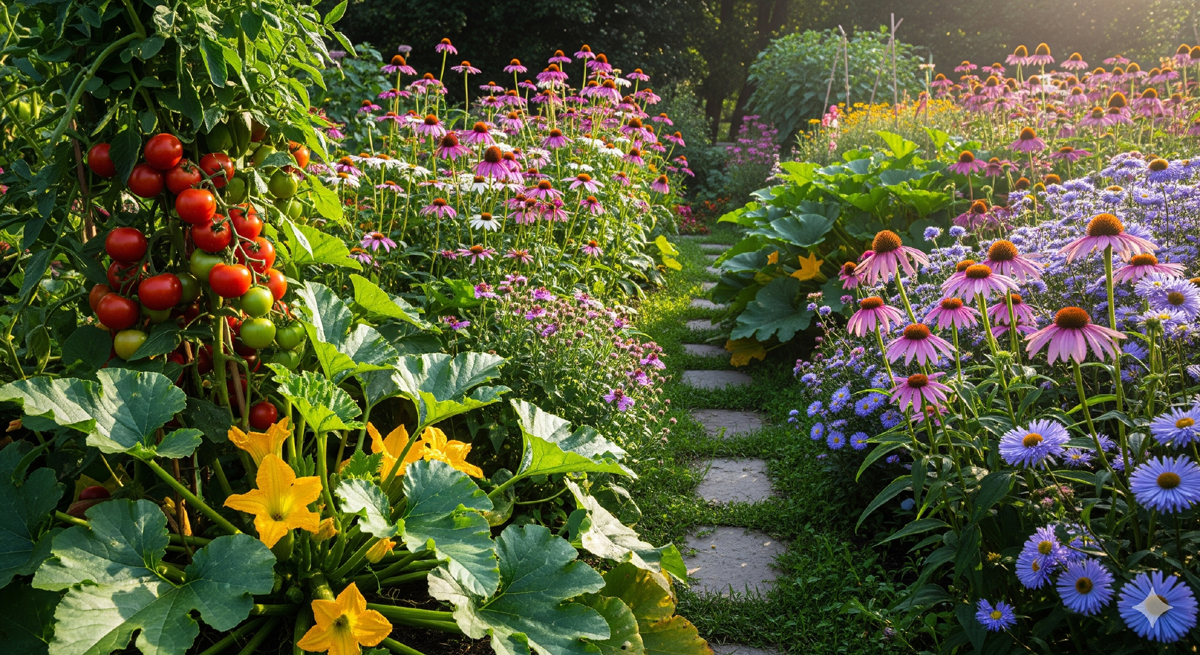
Summer is the time when gardens come alive with vibrant colors and exciting new growth. Whether you’re an experienced gardener or a beginner, adding the right plants to your landscape can make a big impact. In this article, we’ll explore 10 must-have plants that will take your summer garden to the next level.
1. Tomatoes
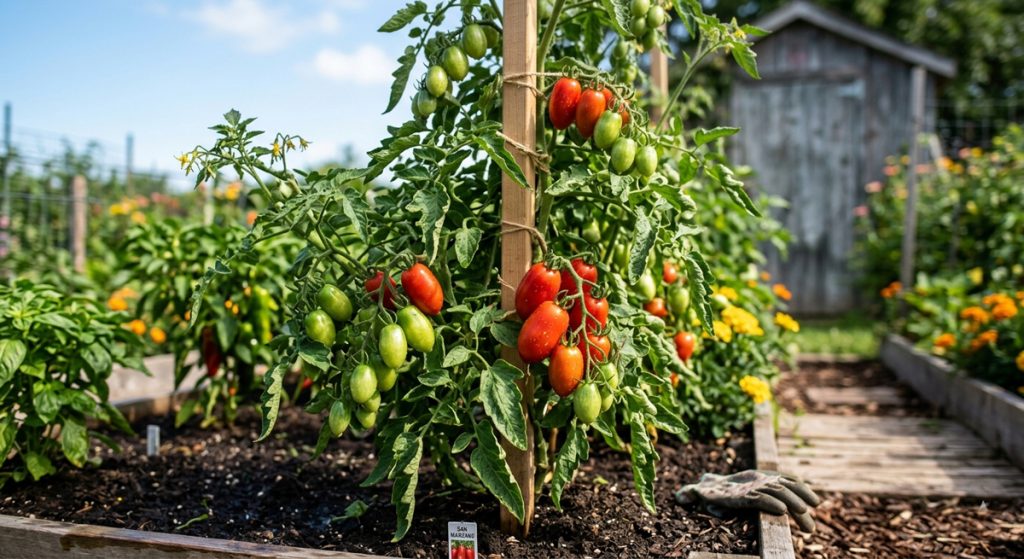
Tomatoes are a classic summer vegetable no garden should be without. These warm-season plants are easy to grow and come in a wide variety of sizes, shapes, and colors.
- When to Plant: For most of North America, plant tomato seeds indoors about 6-8 weeks before your last expected frost date. Once the danger of frost has passed and the soil has warmed (typically late spring), you can move the seedlings outdoors. In regions with very long growing seasons, you can sow seeds directly into the garden.
- How Deep to Plant: When transplanting seedlings, plant them deep—burying about two-thirds of the stem. This encourages the plant to grow a stronger, more robust root system. If you are planting seeds, sow them about 1/4 inch deep.
- When to Harvest: You can begin harvesting tomatoes when they are fully ripe and feel slightly firm to the touch. This usually takes about 70-80 days after transplanting the seedlings, depending on the variety.
- Uses: Enjoy them fresh in salads and sandwiches, cook them into sauces, or simply eat them right off the vine.
2. Zucchini
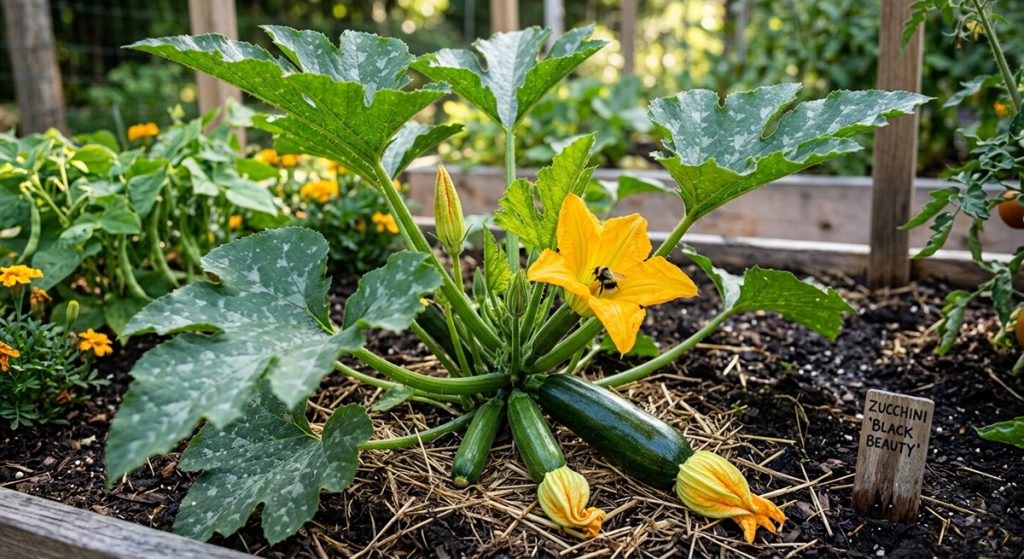
Zucchini is a summer staple that produces prolifically throughout the season. These versatile vegetables prefer fertile soil and ample moisture.
- When to Plant: Plant zucchini in the spring after all danger of frost has passed. You can sow the seeds directly into your garden.
- How Deep to Plant: Plant seeds about 1 inch deep, spacing them 2 to 3 feet apart to give the sprawling plants plenty of room to grow.
- When to Harvest: This is a fast-growing plant that is ready to harvest in about 45-60 days. For the best flavor and texture, harvest them when they are 6 to 8 inches long.
- Key Tips: Zucchini plants need full sun to thrive. Water them regularly, especially during dry spells, and plant them in well-draining, fertile soil.
- Uses: Zucchini is incredibly versatile and can be grilled, roasted, fried, or added to soups and stir-fries.
3. Eggplant
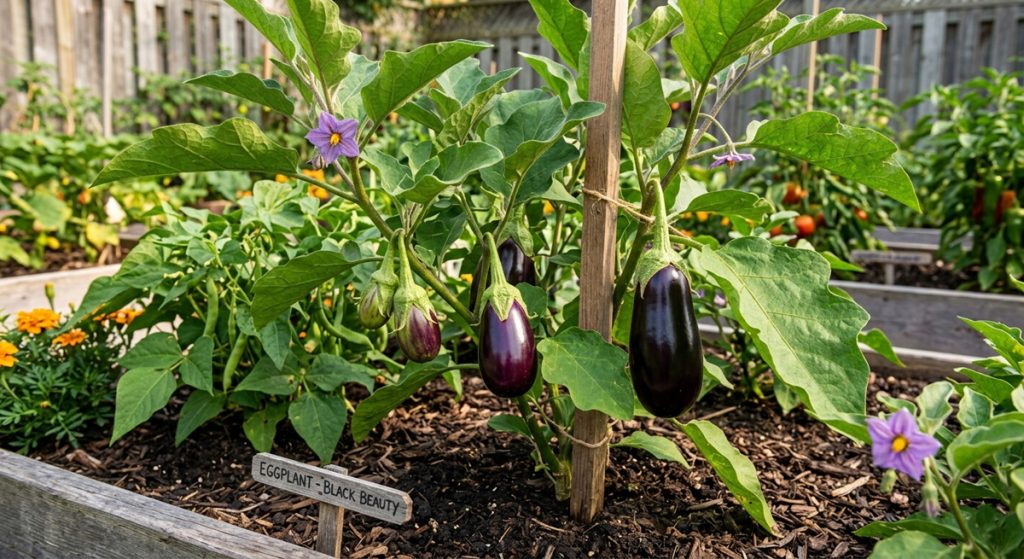
Eggplants are a beautiful and flavorful addition to any summer garden. They require full sun and well-draining, rich soil.
- When to Plant: Eggplants are very sensitive to cold. Plant seedlings outdoors after the last spring frost when soil temperatures are consistently above 60°F (15°C). You can start seeds indoors 6-8 weeks before transplanting.
- How Deep to Plant: When transplanting seedlings, plant them at the same depth as their container. For seeds, sow them about 1/4 inch deep.
- When to Harvest: Eggplants are ready to harvest about 70-80 days after transplanting. You’ll know they’re ripe when the skin is glossy and firm and they’ve reached the size and color typical for their variety.
- Uses: Use them in recipes like baba ghanoush, ratatouille, or grilled sandwiches.
4. Peppers
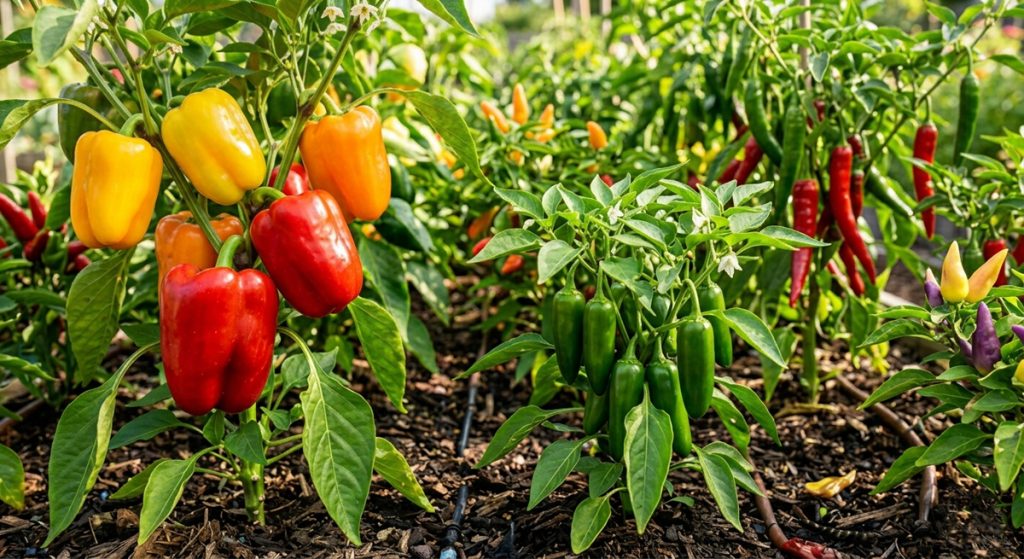
Peppers come in a variety of shapes, sizes, and heat levels, making them a fun and exciting addition to any garden. They need well-draining soil and plenty of sunlight.
- When to Plant: Start pepper seeds indoors 6-8 weeks before your last frost date. Wait until all danger of frost has passed and the soil is consistently warm before transplanting the seedlings outdoors.
- How Deep to Plant: Sow seeds about 1/4 inch deep. When transplanting, plant at the same depth as the container.
- When to Harvest: Peppers are ready to harvest anywhere from 60 to 90 days after transplanting, depending on the variety. Sweet peppers can be harvested when green or when they’ve turned red, yellow, or orange for a sweeter flavor. Hot peppers are typically harvested when they reach their full color.
- Uses: Use them to add flavor and spice to salsas, stews, and sandwiches, or enjoy them as a healthy snack.
5. Coneflowers
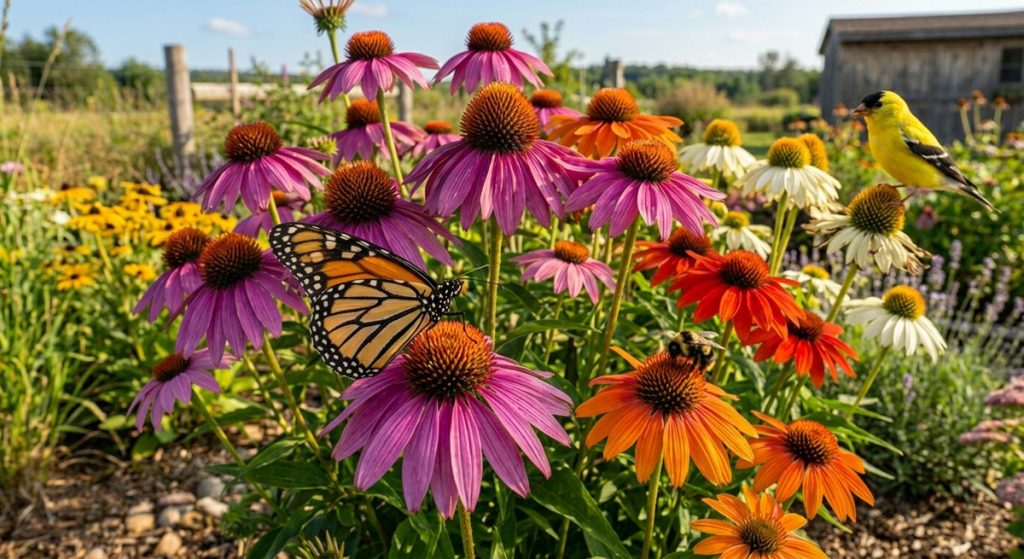
Coneflowers are a beautiful and easy-to-grow perennial that blooms in the summer. Their vibrant colors attract birds, butterflies, and bees.
- When to Plant: The best time to plant coneflowers is in the spring or fall. Spring planting gives them a full season to establish roots, while fall planting gives them a head start before winter.
- How Deep to Plant: When planting seeds, sow them about 1/4 inch deep. For seedlings, plant them at the same depth as their container.
- When to Harvest: Coneflowers bloom from mid-to-late summer. Harvest the flowers when they are in full bloom to use as cut flowers or for teas and tinctures. To encourage the plant to reseed, leave some of the flowers on the plant.
- Uses: In addition to their use in teas and as cut flowers, the dried seed heads provide food for birds in the fall and winter.
6. Black-eyed Susans
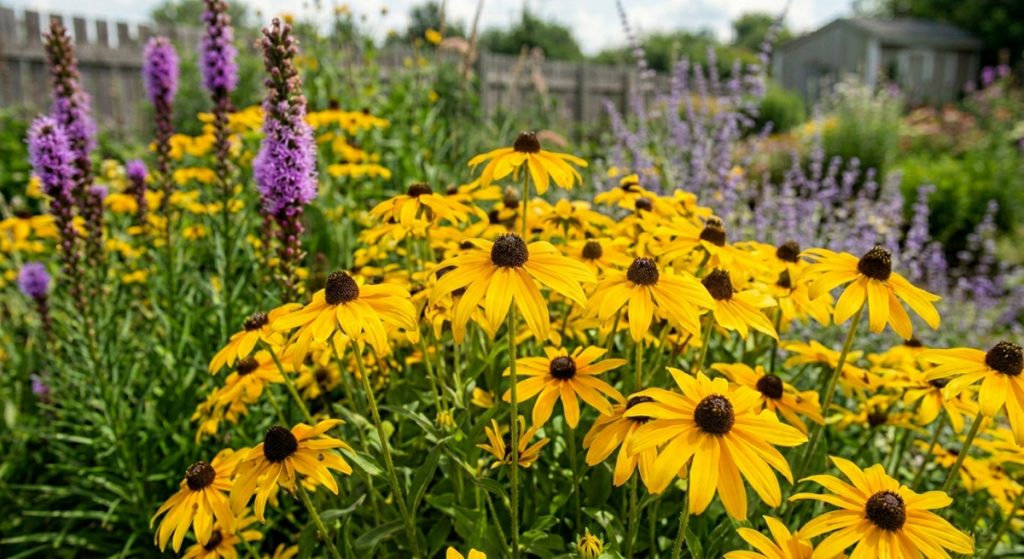
Black-eyed Susans are a hardy and reliable summer bloomer that adds a cheerful touch to any landscape.
- When to Plant: The best time to plant Black-eyed Susans is in the spring or early fall, which gives them enough time to establish a strong root system before the stress of summer heat or winter cold.
- How Deep to Plant: When sowing seeds, plant them about 1/4 inch deep. If you are planting nursery seedlings, plant them at the same depth as their container.
- When to Harvest: These flowers bloom from mid-summer to early fall. For longer-lasting arrangements, cut the stems in the morning after the dew has dried.
- Uses: Their long-lasting blooms are perfect for bouquets and are excellent at attracting butterflies and bees.
7. Blanket Flower
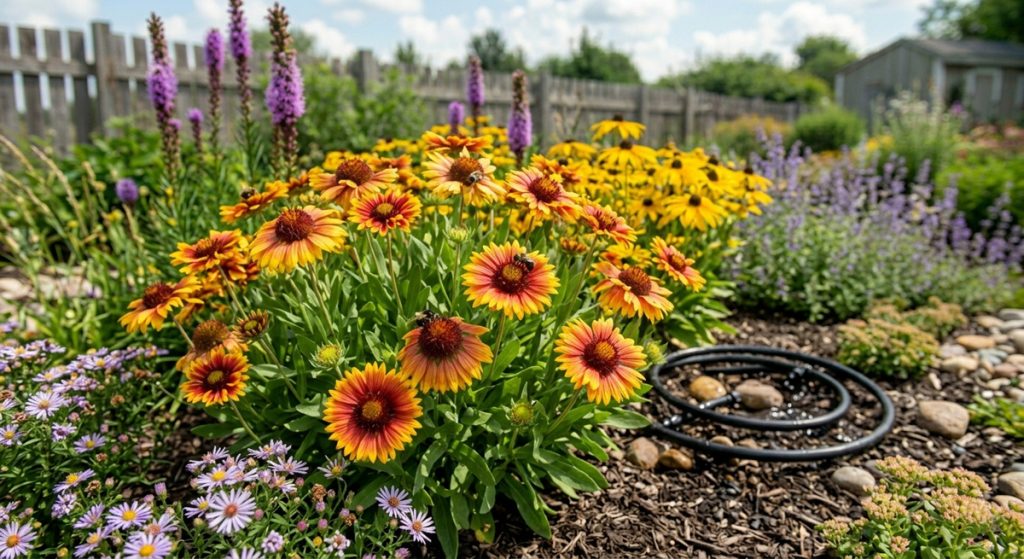
Blanket Flower, also known as Gaillardia, is a colorful, drought-tolerant perennial that attracts pollinators.
- When to Plant: Plant Blanket Flowers in the spring after the last frost or in the early fall.
- How Deep to Plant: Sow seeds directly into the garden about 1/4 inch deep. If you are planting seedlings, plant them at the same depth as their container.
- When to Harvest: These flowers bloom from early summer to fall. Picking the flowers regularly can encourage more blooms throughout the season.
- Uses: Their vibrant colors make them a great addition to any landscape, and they are excellent for attracting beneficial pollinators like bees and butterflies.
8. Vlantaba (Verbena bonariensis)
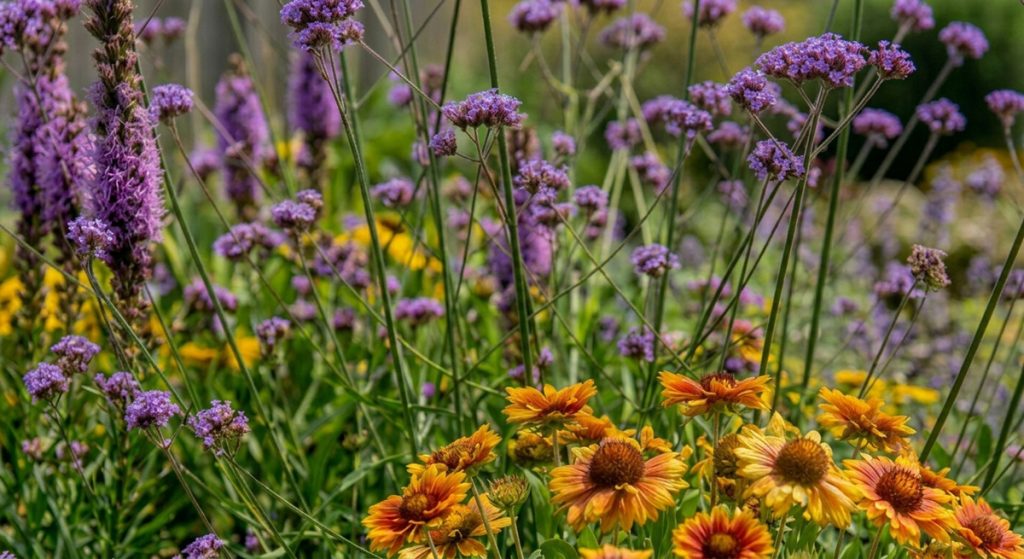
Verbena bonariensis, also known as Purpletop Verbena, is a tall, airy herb that adds a whimsical touch to any summer garden.
- When to Plant: You can sow seeds indoors about 8-12 weeks before your last frost date. Transplant the seedlings outdoors after all danger of frost has passed. In regions with a long growing season, you can also sow seeds directly into the garden in the spring.
- How Deep to Plant: Sow the tiny seeds on the surface of the soil and lightly cover them with a thin layer of compost or vermiculite.
- When to Harvest: This plant blooms from early summer until the first frost. You can harvest the delicate purple blooms for use in cut flower arrangements.
- Uses: This plant is a magnet for pollinators like butterflies, bees, and hummingbirds.
9. Aster
Asters are a classic late-summer bloomer that comes in a variety of colors, including purple, pink, blue, and white.
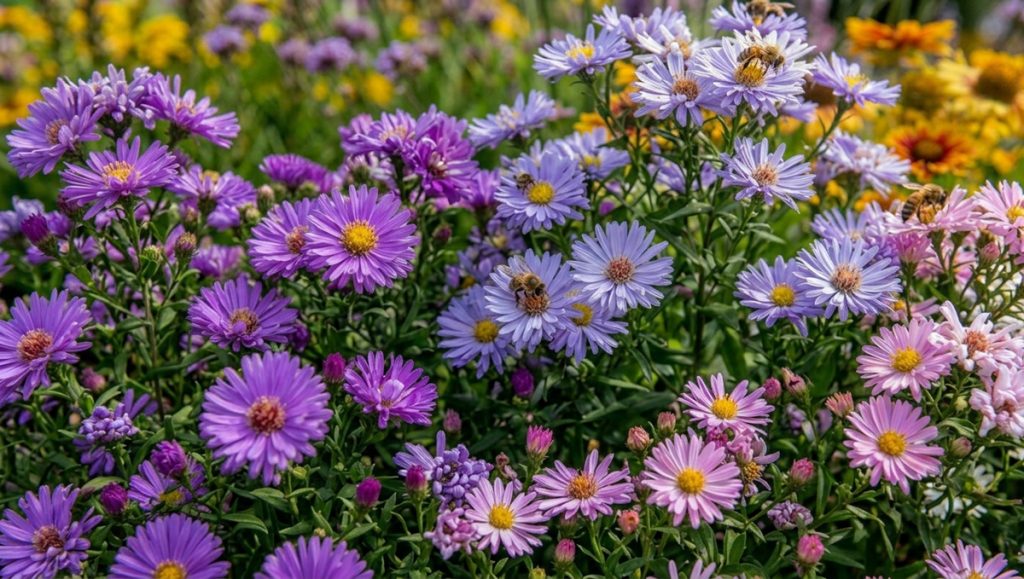
- When to Plant: The best time to plant asters is in the spring or early fall. This gives their root systems time to become established before the extreme heat of summer or the cold of winter.
- How Deep to Plant: When planting from seed, sow them on the surface of the soil and lightly cover them. For nursery plants, plant them at the same depth as their container.
- When to Harvest: Asters typically bloom from late summer into the fall. You can harvest the daisy-like blooms at any time for cut flower arrangements.
- Uses: Their late-season blooms provide a crucial food source for pollinators and make beautiful additions to fall bouquets.
10. Zinnias
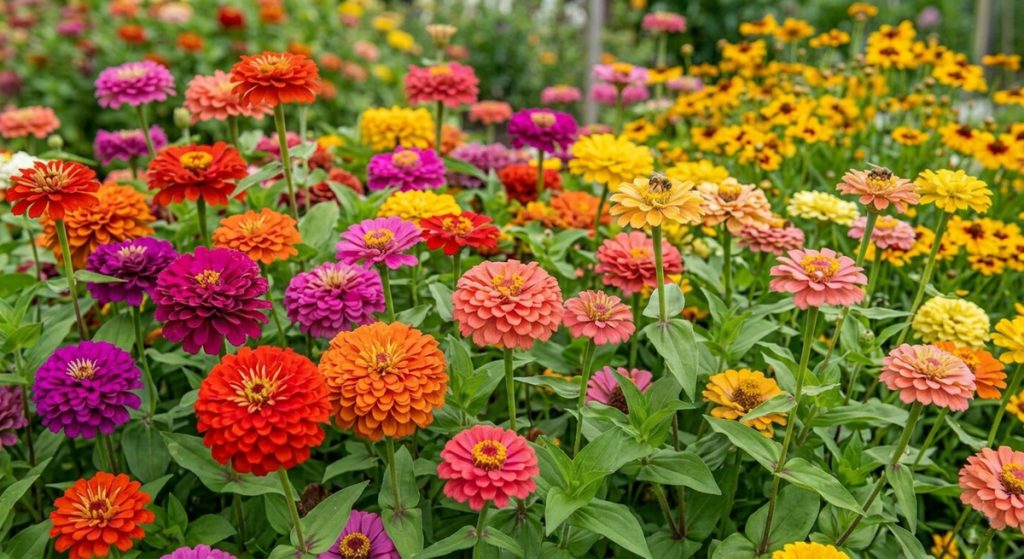
Zinnias are a cheerful and easy-to-grow annual that adds a burst of color to any summer garden.
- When to Plant: Plant zinnia seeds directly into the garden in the spring after all danger of frost has passed.
- How Deep to Plant: Sow the seeds about 1/4 inch deep and space them about 6 to 12 inches apart, depending on the variety.
- When to Harvest: Zinnias will begin to bloom about 60-70 days after planting. Cutting the flowers often will encourage the plant to produce more blooms.
- Uses: Their bright blooms are perfect for bouquets and are excellent at attracting butterflies to your garden.
Other Summer Garden Additions
In addition to these 10 must-have plants, you might also consider adding other summer garden herbs or flowers like basil, mint, sunflowers, or marigolds. These plants not only add beauty to your landscape but can also be used in cooking, teas, or herbal remedies. Adding the right plants to your summer garden can make all the difference.e.
The Author:
Pioneerthinking.com: Ingredients for a Simple Life. Insights from a seasoned professional rooted in country living, with 28 years of horticulture expertise and over two decades of practical experience in homesteading, natural beauty, natural health, cooking and creative living.
Photo. Gemini
>>Planting Marigolds for Beautiful Summer Flowers: A Complete Guide