A Mouthful of Blossoms – A List of Edible Flowers & Herbs
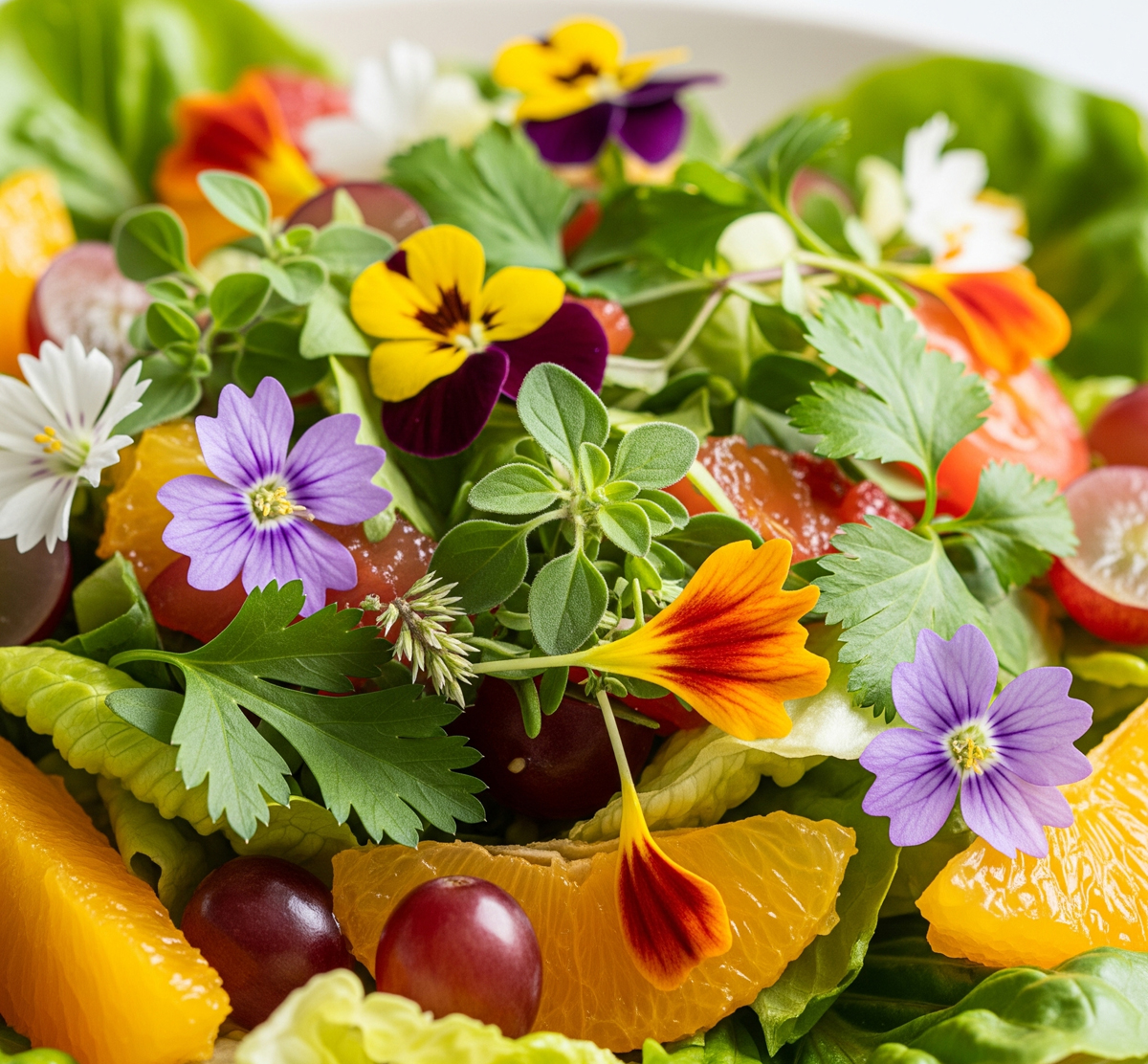
Spruce up your salads or meals with edible flowers, not only will it add interesting flavors but it will also add a beautiful range of color. Here’s a list of common everyday flowers to add to your meal.
NOTE: Avoid any plants that have been sprayed with pesticides. (Always check for correct plant identification before consuming since there can be look-a-like flowers that can be poisonous. Avoid picking flowers from roadsides, or purchasing from floral shops if its not organic.)
Almond Blossoms (Prunus dulcis) – Use as a garnish or eat raw.
Anchusa (A. azurea) Common name: Common Bugloss – Use as a garnish. Stems may also be boiled or fried.
Angelica – (A. archangelica) Common name: Wild celery, Root of The Holy Ghost – Use tender young leaves in a salad, in tea or make candied stems. Has a strong celery taste. Pairs well with ginger or mint. NOTE: Use caution and Identification before handling or eating. Looks similar to Hemlock which is poisonous in its entirety.
Apple Blossom (Malus spp) – Use in a salad or as a garnish. Especially good in fruit salad. Floral taste.
Arugula (Rocket) (Eruca vesicaria) – Use blossoms and leaves. Good in salads, and sandwiches. Blossoms are peppery.
Banana Blossom – (Musa paradisiaca). Use in stews, soups and salads. Tastes similar to artichokes.
Basil (Ocimum basilicum) – Use as a garnish, salad, tea, vinegar and cooking. Also has health benefits. Has a peppery taste.
Bean Blossoms (Scarlet Runner Beans) (Phaseolus coccineus) – Use in salads or as a garnish. Mild bean taste.
Bee Balm (Monarda didyma) – Use as a flavor enhancer. Blossoms have a spicy quality similar to oregano.
Begonia – Blossoms can be eaten either raw or cooked, use in a salad. Wax begonia leaves are edible. They look beautiful in salads. Depending on the flower the taste can range between sweet and lemony flavors. — Tuberous Begonias (Begonia x tuberhybrida) – Leaves, flowers and stems. Tastes lemony. (Note: Flowers and stems should NOT be consumed by those who have gout, kidney stones, or rheumatism.) — Wax Begonias (Begonia cucullata) – Citrus flavor – Use leaves raw or cooked.
Bergamot (Citrus bergamia) – Citrus taste. Use the zest. Use in salads for a fresh taste.
Borage (Borago officinalis) – Uses as a garnish. Use in Salads. Use in drinks. Light cucumber taste.
Broccoli (Brassica spp.) – The entire flowering head is eaten as a vegetable. Use raw in salads, in stir fries, steamed, or eat raw with dip. Has a slight bitter broccoli taste.
Burnet (Poterium sanguisorba) – Use blossoms in salads or a tea. Tastes similar to cucumbers.
Calamint (Calamintha nepeta) – Use blossoms in a salad. A taste of mint and oregano.
Calendula (C. officinalis) – Tastes peppery, bitter and spicy. Use petals as a garnish, in salads, jams, herb butter, soups, stews or as a tea.
Carnation (Dianthus caryophyllus) – Tastes peppery and spicy like cloves. Use flower petals in salads or cake decoration. Cut petals from white base before using, removes bitterness. (Note: Purchase pesticide-free, organic carnations, or grow your own.)
Carnation (Pink) (Dianthus caryophyllus) – Use petals in salads. Use young, fresh blossoms. (Note: Do not use if pregnant or nursing.)
Chamomile (English) – (Anthemis nobilis) – Apple flavor.
Chamomile (German) – (Matricaria recutita) – Use in tea, garnishes, and salads.
Chamomile (Roman) (Chamaemelum nobile) – Use in tea. Has bitter flavor. Caution: Don’t use if you have a ragweed allergy.
Chervil – (Anthriscus cerefolium) – Use raw in salads. Use flowering as seasoning. Light citrus taste.
Chickweed (Stellaria media) – Use raw leaves in salads, or cooked in soup. Cooked, tastes similar to spinach.
Chicory (Cichorium intybus) – Eat young leaves and flower in salad. Roasted root can be a coffee substitute. Best to harvest in Spring or Fall.
Chives (Garlic, Wild Onions) (Allium schoenoprasum) – Use in potato salad, macaroni salad or green salads. Strong onion taste. Blossoms can be eaten in soup, salads, pastas, or garnish. Has a garlic taste.
Choy Sum (Chinese Flowering Cabbage) (Brassica rapa var. parachinensis or Brassica chinensis var. parachinensis) – Common in Chinese cuisine. The white or green stems, and flowers are used. Use in stir fry or soups. Has a mustard taste.
Chrysanthemum – (Chrysanthemum morifolium or Chrysanthemum indicum) – Used for tea. After blanching, use flower petals in stir fries or salads. (Note: People who have allergies to ragweed should note Chrysanthemums are from the same family.)
Cilantro (Coriander) (Coriandrum sativum-L.) – Use raw or cooked. Use in soup or salads. Mild coriander taste. (Caution: Don’t use if you have asthma or bronchitis.)
Cinquefoil (Potentilla anserina or Potentilla reptans) – Common name: Silverweed, Creeping Cinquefoil. Use young leaves raw in salads or cooked like spinach. Flowers can be a garnish. Mild, slightly bitter taste.
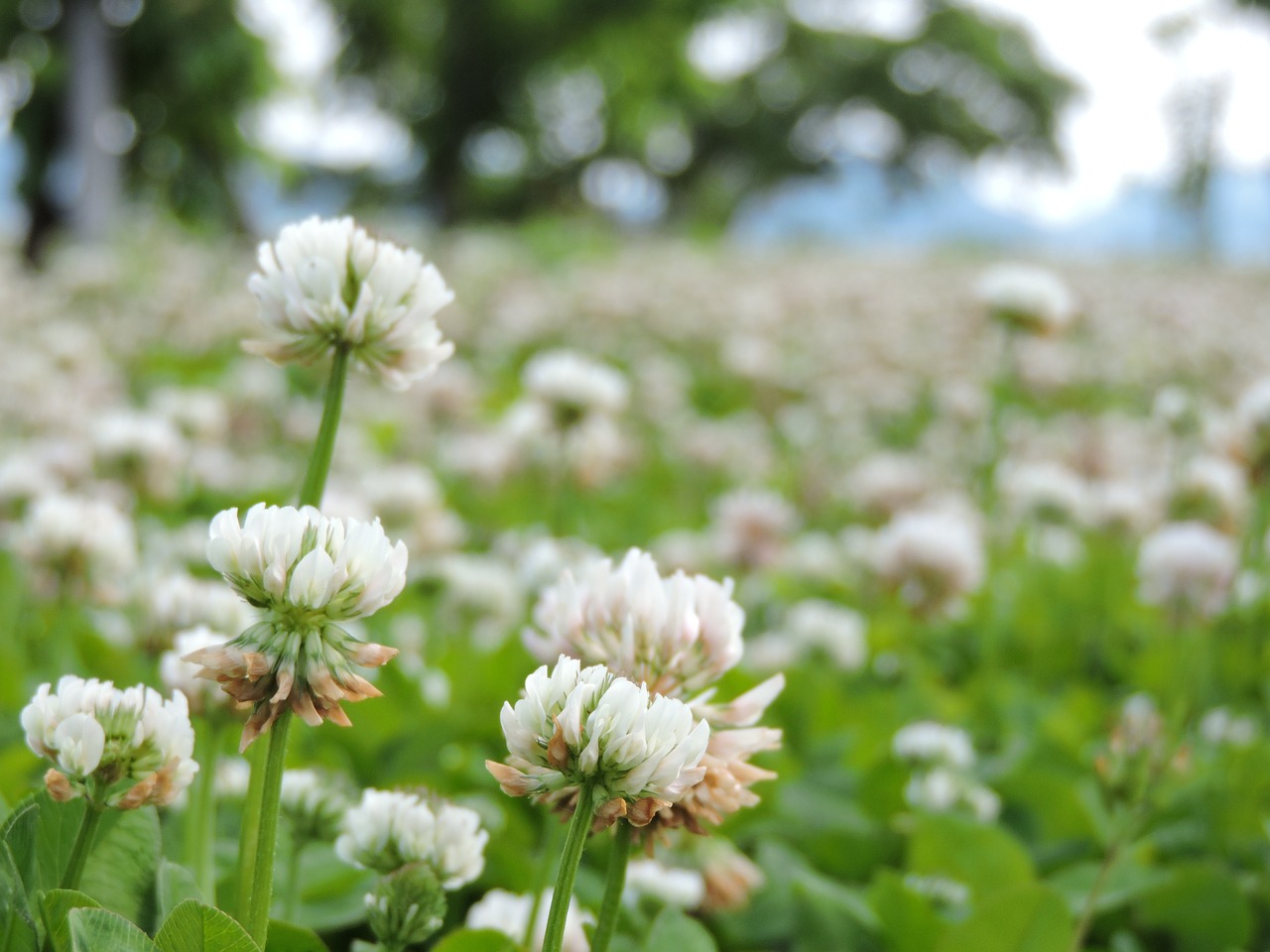
Clover (Red) (Trifolium pratense) – Looks lovely in salads but has a weedy hay taste.
Cornflower (Centaurea cyanus – L.) – Use young shoots as a vegetable and flowers (raw or cooked) in a salad.
Corn Salad – (Valerianella locusta – (L.) Laterr.) – Use young leaves in salad. Flowers and stems are also edible. Leaves have a mild flavor.
Cosmos (Cosmos bipinnatus) – Use petals as a garnish in salads. Can have a slightly bitter, minty, or citrusy flavor depending on the variety.
Cowslip – (Primula veris – L.) – Young leaves in soup. Flowers as a garnish or in salad. Caution: Do not use if you have high blood pressure.
Dahlia (Dahlia pinnata – Cav.) – Flowers in salad. Cooked root as a vegetable. Has a bitter flavor.
Daisy (English) – (Bellis perennis) – Leaves (raw or cooked). Flowers in salad or soup. Mild taste.
Daisy (Ox-eye) – (Chrysanthemum leucanthemum) – Leaves (raw or cooked). Mild taste.
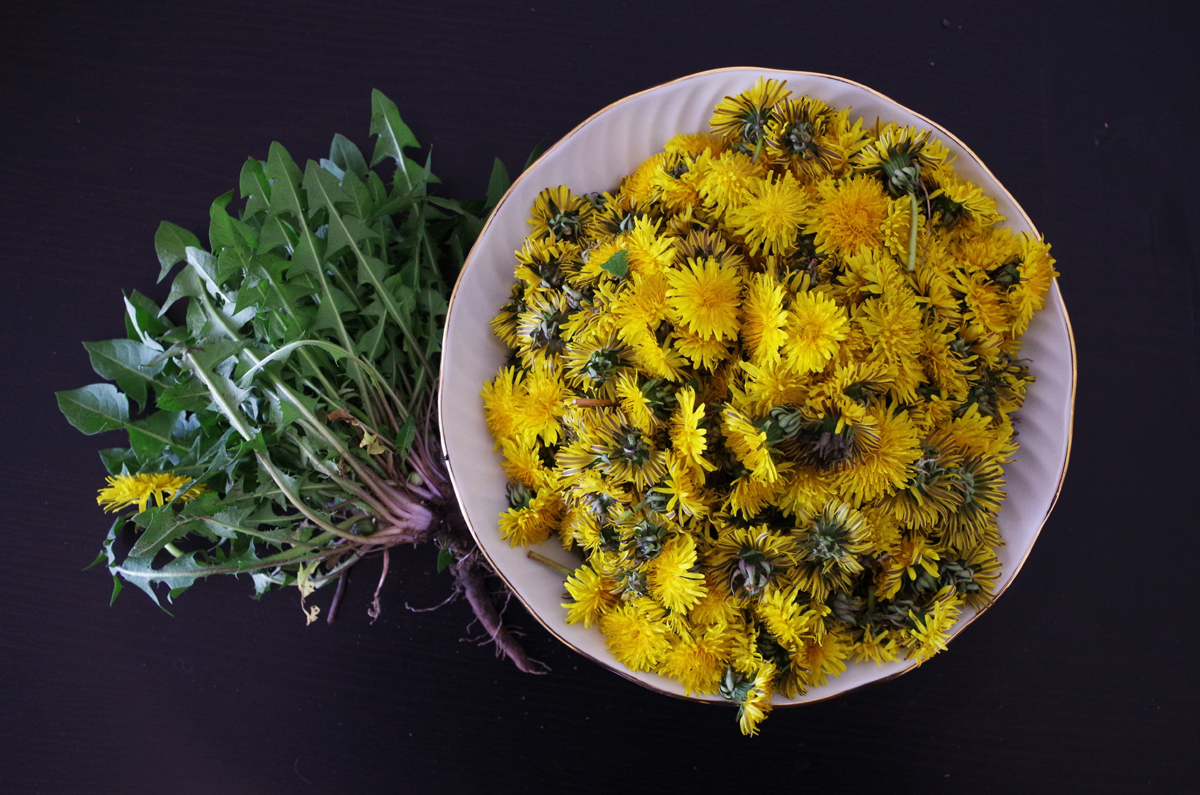
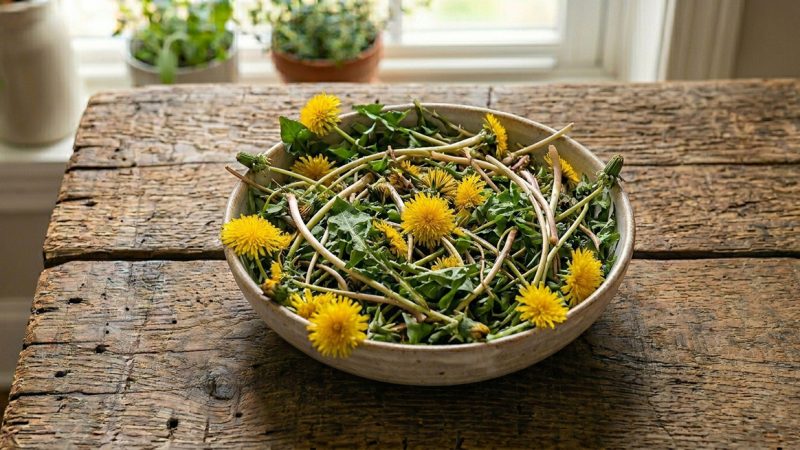
Dandelion – (Taraxacum officinale) – Young tender leaves (raw or cooked). Use in salads. Has a slight bitter taste.
Daylily – (Hemerocallis fulva) – Cooked young leaves and shoots. Flowers (raw or cooked). Tastes sweet.
Dill – (Anethum graveolens) – Leaves (raw or cooked). In salad or tea. Strong dill flavor.
Elderflower (Sambucus nigra) – Use flowers in fritters, cordials, jams, or as a garnish. Sweet, floral, slightly musky taste. (Note: Raw berries and other parts of the plant are toxic; cook berries thoroughly if consuming.)
Fennel – (Foeniculum vulgare – Mill.) – Young leaves (raw or cooked). Garnish, salad or tea. Mild licorice taste.
Fuchsia – (Fuchsia magellanica – Lam.) – Berries. The berries vary in taste from lemony, peppery, or even a sweet taste depending on how ripe they are. Use berries to make a jam, in pies, both berries and flowers can be used as a garnish in salads. Harvest berries when they are soft.
Gladiolus – (Gladiolus spp.) – Flowers (raw or cooked). Use in salads. Mild taste.
Hawthorn – (Crataegus monogyna – Jacq.) – Cooked fruit. Use to make jam. Young shoots (raw) use in salad. Nutty flavor. Tea (dried leaves). Seeds (roasted) can be used as coffee substitute.
Hibiscus – Citrus flavor tea.
Hollyhock – (Alcea rosea) – Blossoms in a salad. (Avoid berries, they are poisonous.) Slightly bitter.
Honeysuckle – (Lonicera Japonica) – Good as a tea. Flowers have a sweet honey taste. Can be used in a salad.
Hyssop (Anise) – (Agstache foeniculum) – Licorice flavor.
Impatiens – (Impatiens walleriana) – Add the colorful petals in salads, or desserts. Has a sweet taste.
Jasmine (Jasminum officinale) – Use flowers for tea, syrup, or as a delicate garnish. Highly fragrant, sweet floral taste. (Note: Only common jasmine is edible; other varieties can be toxic. Use sparingly.)
Lavender – (Lavandula angustifolia) – Blossoms. Tastes sweet and citrusy. Good in ice cream, cake, tea, added to meat, egg dishes, lemonade, breads, garnish or cookies.
Lemon – (Citrus limon) – Blossoms. Light bitter lemon taste. Garnish.
Lemon Balm – (Melissa officinalis) – Sweet, lemony flavor. Use as a herbal tea with spearmint. Use in fish dishes or pesto.
Lemon Verbena – (Aloysia citriodora) – Use as a herbal tea, jams, in fish or chicken dishes. Lemon taste.
Lilac – (Syringa vulgaris) – Use in salads, syrup, honey, lilac jelly, ice cream, lilac sugar or garnishing desserts. Fragrant, slightly bitter.
Lovage – (Levisticum officinale) – Leaves & stems. Mild celery taste. Use in salad, tea, chicken dishes and soups.
Magnolia – (Magnolia grandiflora) – Use chopped petals in salads. Pickled flowers. Taste sweet.
Marigold (Calendula) (Calendula officinalis) – Peppery taste. Use as a garnish. Good substitute for saffron.
Marigold (Signet) – (Tagetes tenuifolia) – Has a citrus flavor. Use as a garnish.
Marjoram – (Origanum majorana) – Spicy taste.
Mint – (Mentha spp.) – Light fresh mint taste.
Mustard – (Brassica spp.) – Hot mustard taste.
Nasturtium – (Tropaeolum majus) – Add to salads. Peppery taste.
Orange Blossoms – (Citrus sinensis) – Sweet citrus taste.
Oregano – (Origanum spp.) – Spicy oregano taste.
Pansy – (Viola x wittrockiana, Viola tricolor) – Add in salads for a beautiful color, or for cake decoration. Mild minty taste.
Peas – (Pisum sativum) (also known as Garden Peas or Green Peas, English Peas) – Add to salads. Tastes similar to raw peas.
Radish – (Raphanus sativus) – Blossoms has a peppery radish taste. Leaves can be used in salad.
Redbud (Cercis canadensis) – Use flowers raw in salads, or as a garnish. Tangy, slightly sour taste. Pods are also edible when young.
Rose – (Rosa spp.) – Jams and Jellies. Fruit dishes. Fragrant lightly sweet rose taste.
Rose of Sharon – (Hibiscus syriacus) – Mild nutty flavor.
Rosemary – (Rosmarinus officinalis) – Light rosemary taste.
Saffron – (Carthamus tinctorius) – Bitter flavor.
Sage – (Salvia officinalis) – Fragrant sage taste.
Sage (Pineapple) – (Salvia elegans) – Hints of both pineapple and sage flavor.
Savory (Summer) – (Satureja hortensis) – Peppery taste.
Savory (Winter) – (Satureja montana) – Peppery taste.
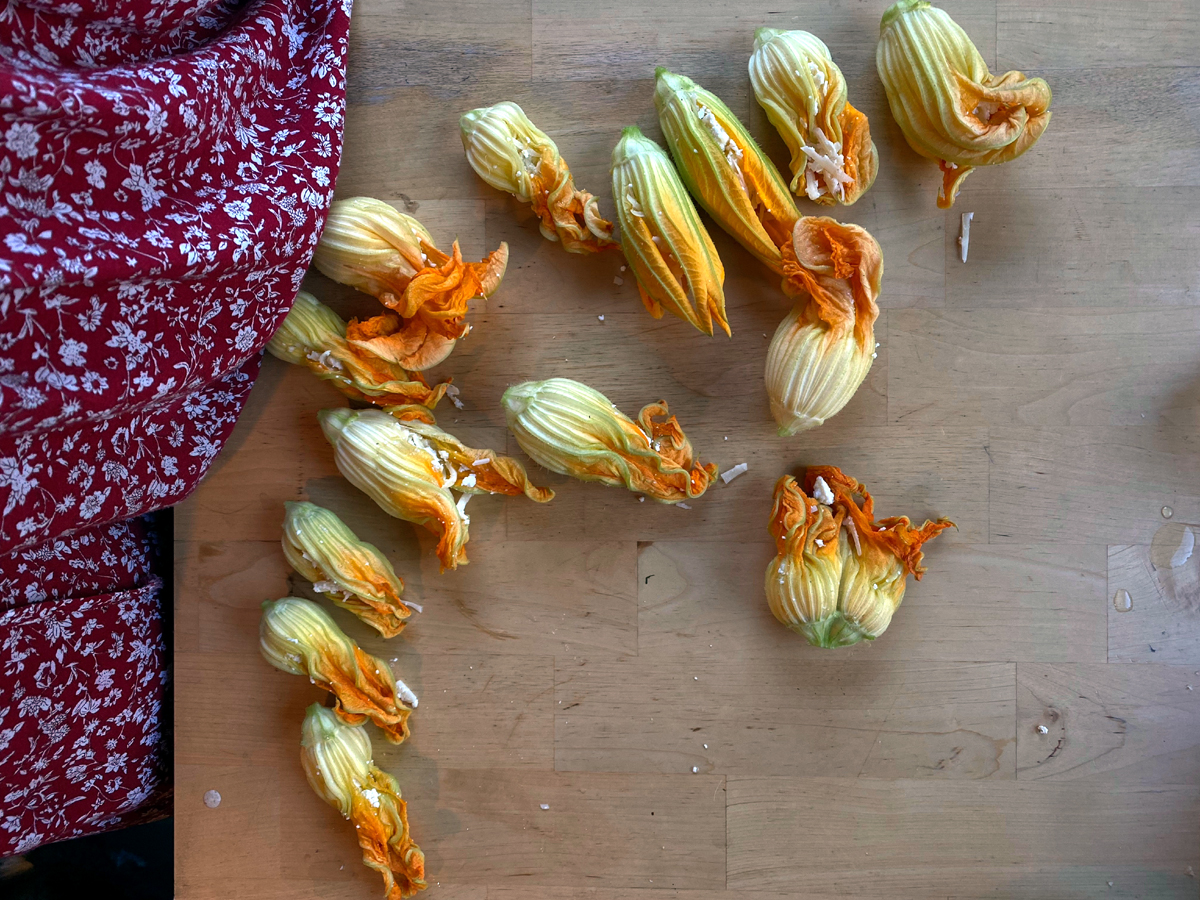
Squash – (Cucurbita spp.) – Blossoms. Light squash taste.
Sunflower (genus Helianthus) – Raw petals have a nutty taste. Use in salads.
Sweet Woodruff – (Galium odoratum) – Sweet vanilla taste. Use for ice cream or in jellies, herbal teas.
Thyme – (Thymus spp.) – Blossoms & Leaves. Light thyme flavor.
Tulip (Tulipa spp.) – Petals can be used in salads or as a garnish. Flavor ranges from sweet to peppery, depending on the variety. (Note: Only petals are edible. Do not consume bulbs, which are toxic. Avoid if allergic to daffodils or hyacinths.)
Violet – (Viola odorata) – Has a sweet taste. Flowers and leaves can be used in salads. Garnish.
Yucca – (Y. filamentosa) (also known as the Lamps of God.) – Use flower petals in stir fry. Also works nicely in omelets. Tastes similar to artichokes.
>> Tasty Edible Flowers You Can Grow Yourself
Resources:
- begonias.org
- https://foragerchef.com
- https://www.botanical.com/botanical/mgmh/a/anegl037.html
- https://www.thompson-morgan.com/edible-flowers
- https://extension.colostate.edu/topic-areas/yard-garden/edible-flowers-7-237/
The Author:
Pioneerthinking.com: Ingredients for a Simple Life. Insights from a seasoned professional rooted in country living, with 28 years of horticulture expertise and over two decades of practical experience in homesteading, natural beauty, natural health, cooking and creative living.
© Copyright 2022 Pioneerthinking.com – All rights reserved. For personal use only.
Photo. Gemini