Natural Fibers: The Pioneer Burn Test
The Pioneer’s Secret: The Fiber Burn Test
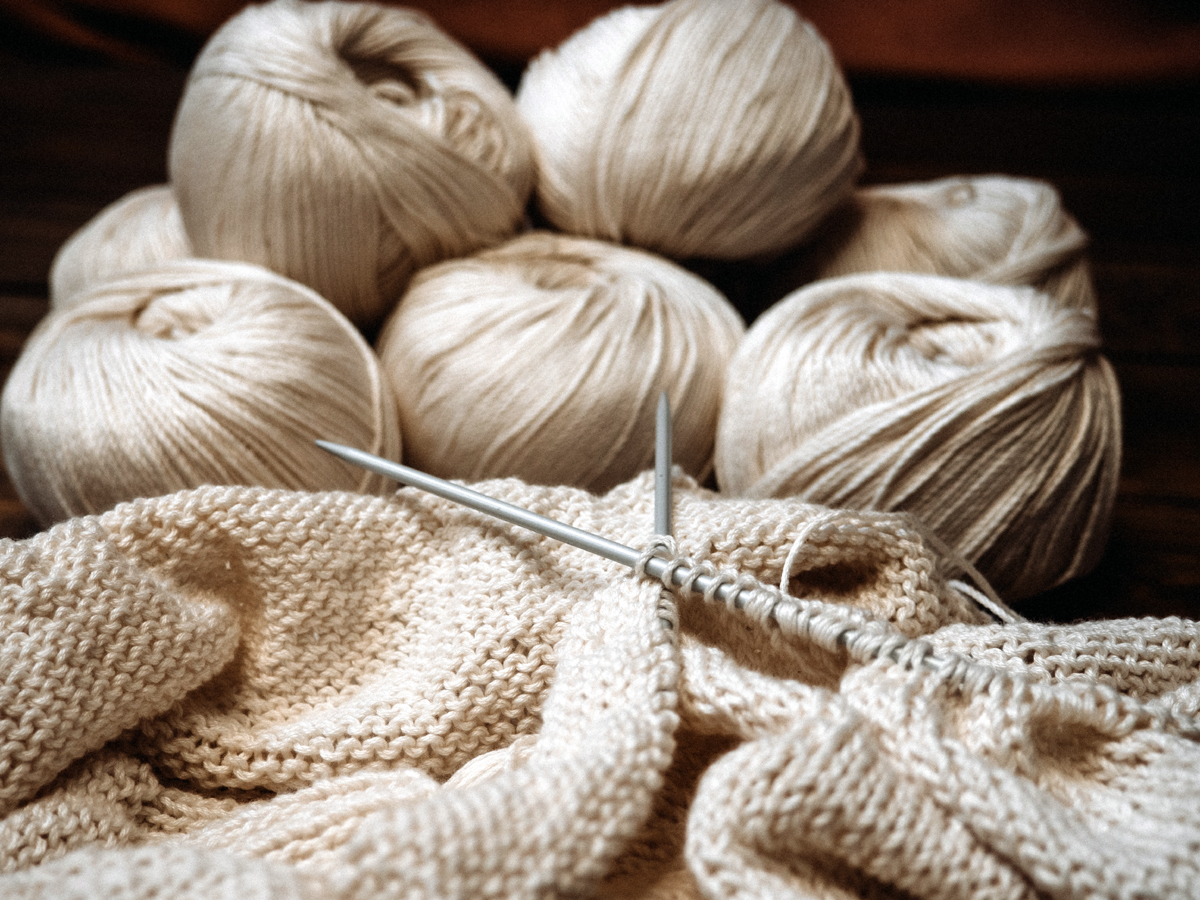
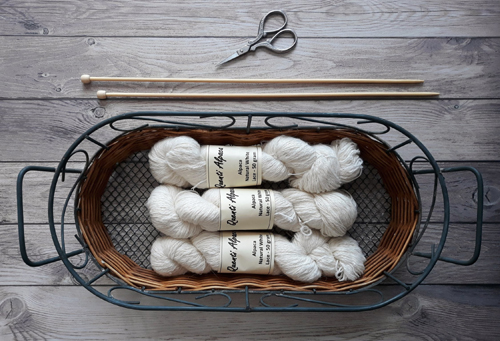
On the frontier, there were no labels to tell a woman if a scrap of cloth was pure wool or a cheap substitute. She relied on her senses—specifically her sense of smell. Today, when you are thrifting for vintage yarn or clearing out an old “stash” of unlabeled fiber, you can use this same pioneer method to ensure you are working with natural materials.
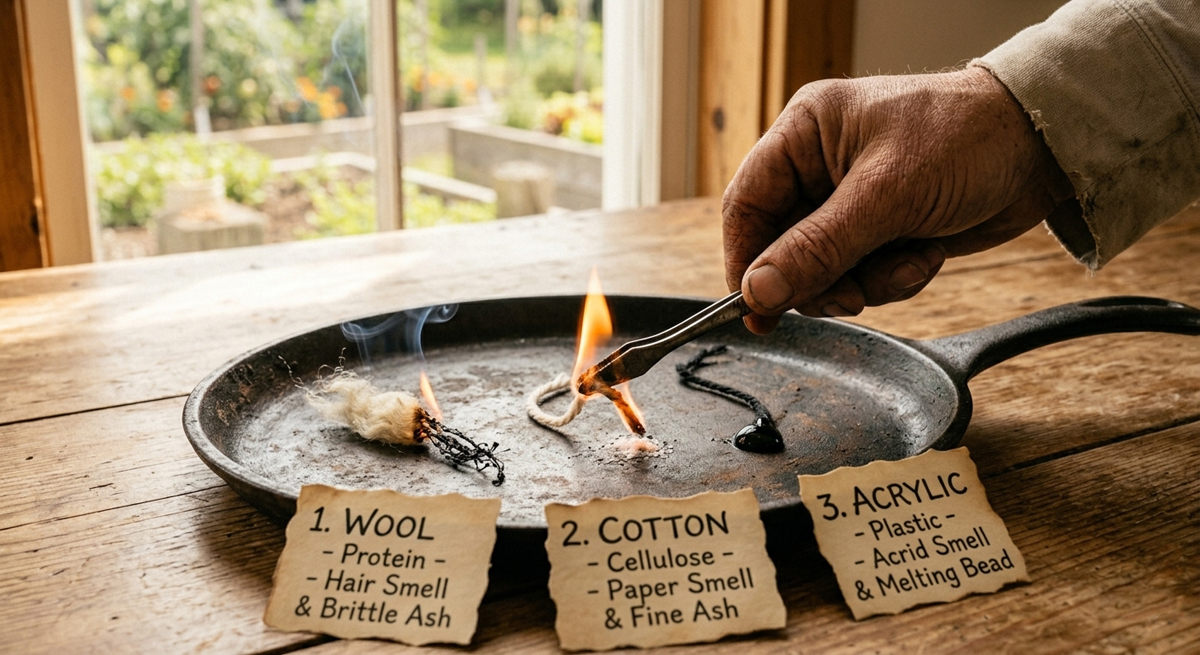
The Test: Using a pair of tweezers or metal tongs, hold a small strand of the yarn over a fire-safe dish (like a cast-iron skillet) and ignite the end with a match.
1. The Animal Pillars: Wool & Silk (The Smell of the Hearth)
Because these are protein-based fibers, they react to fire much like human hair.
-
The Burn: It burns slowly and is self-extinguishing (it stops burning once you remove the flame).
-
The Smell: It smells unmistakably like burning hair or feathers.
-
The Ash: It leaves behind a brittle, black, “beaded” ash that crushes easily between your fingers into a fine powder.
-
Pioneer Wisdom: If your “wool” smells like burning paper or melting plastic, it won’t keep you warm in a damp spring rain.
2. Cotton, Linen & Hemp (The Smell of the Field)
Cotton, linen and hemp are cellulose-based. They react to fire the same way a dry leaf or a piece of kindling would.
-
The Burn: It ignites quickly and continues to glow or “afterglow” even after the flame is out. It does not melt.
-
The Smell: It smells like burning leaves, wood, or paper.
-
The Ash: It leaves a very fine, soft, grey or white ash that floats away with a breath.
-
Pioneer Wisdom: This is the test for your larder towels. If the “linen” melts, it contains polyester and will smear grease rather than absorb it.
3. Synthetics (The Smell of the Factory)
Pioneers didn’t have to worry about petroleum-based fibers, but we do. Acrylic, polyester, and nylon are essentially plastic.
-
The Burn: It melts, drips, and shrinks away from the flame. It can stay hot and “sticky” for a long time.
-
The Smell: It smells chemical—like burning plastic or acrid celery.
-
The Ash: It does not leave ash. It leaves a hard, uncrushable, black plastic bead that can actually burn your skin if you touch it too soon.
-
Pioneer Wisdom: Never use these fibers for potholders or hearth-side rugs. They will melt to your hand or the floor in an instant.
The Pioneer Mindset: Testing for Truth
Self-reliance is built on the ability to verify your materials. Whether you are at a community “Yarn Swap” or a thrift store, having the “Burn Test” in your pocket means you can always choose the fiber that fits the function. Natural fibers aren’t just a choice—they are a connection to the land.
The Author:
Pioneerthinking.com: Ingredients for a Simple Life. Insights from a seasoned professional rooted in country living, with 28 years of horticulture expertise and over two decades of practical experience in homesteading, natural beauty and cosmetic creations, natural health, cooking and creative living.
Photo. Gemini