The Frontier Pharmacy
Survival Medicine, Sanitation, and The Pioneering Spirit
For the nineteenth-century pioneer, the rugged journey westward was defined by hardship and isolation. While modern medicine was beginning to take shape in established eastern cities, the vast American frontier offered little in the way of doctors or pharmacies. Surviving the wilderness meant adapting ancient knowledge and local flora. Far from the lifestyle choices we make today, the plants and herbs of the frontier were essential tools for treating illness, maintaining hygiene, and enduring a life where help was often hundreds of miles away.
1. Survival First Aid: The Pharmacy of the Trail
The practical needs of the pioneer meant that plant remedies were focused on immediate relief and prevention of serious infection.
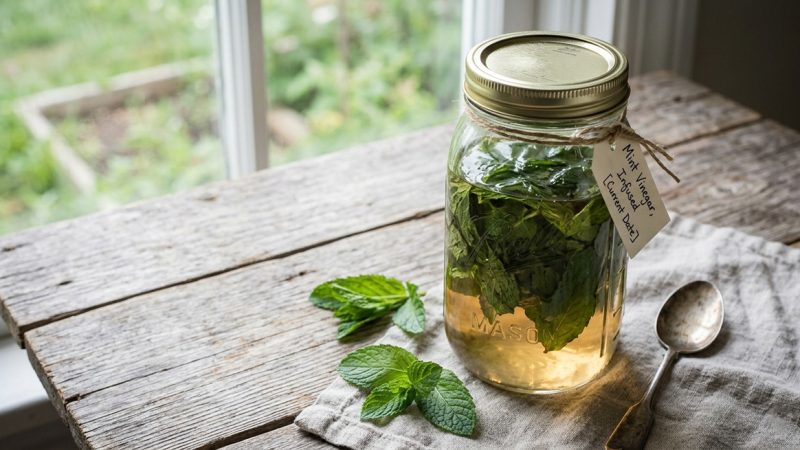
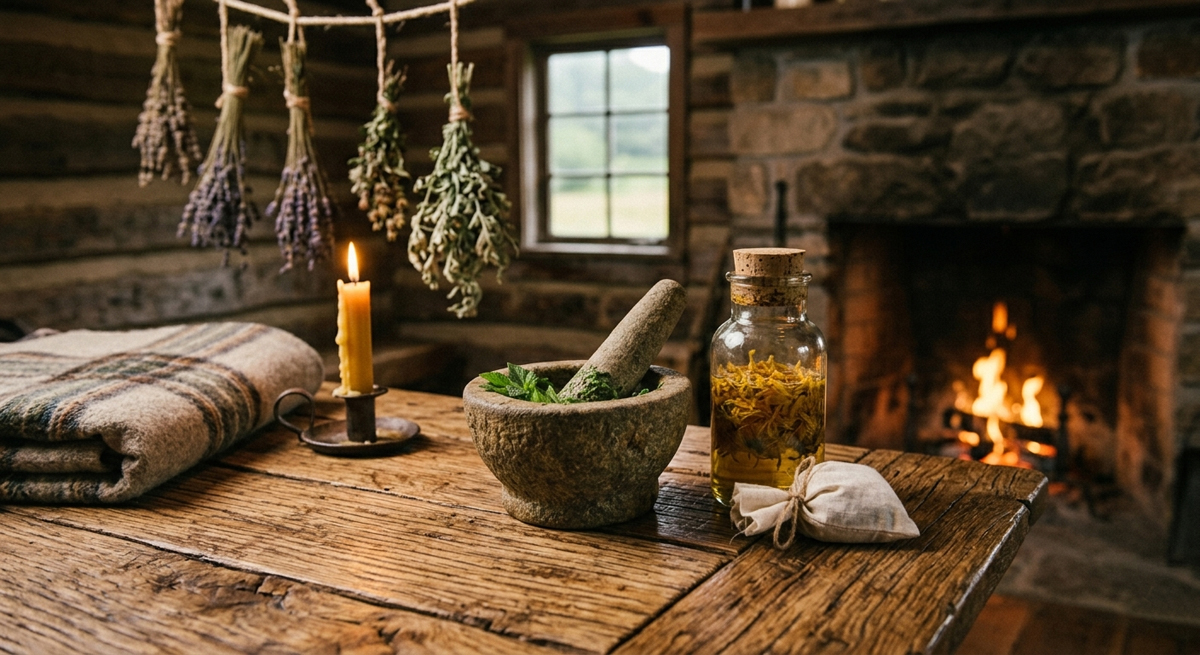
- Peppermint & Digestion: The typical pioneer diet—dominated by salted meats and dried beans—was monotonous and difficult on the digestive system. Pioneers kept dried peppermint hanging from cabin rafters to brew “stomachic” teas as a daily necessity to settle the stomach.
- Witch Hazel for the “Prairie Itch”: Without access to modern antiseptics, any cut or scrape carried the threat of infection. Pioneers boiled the bark and twigs of the witch hazel shrub to create a powerful astringent wash for cuts, bruises, and skin irritations caused by walking through tall, dense grass.
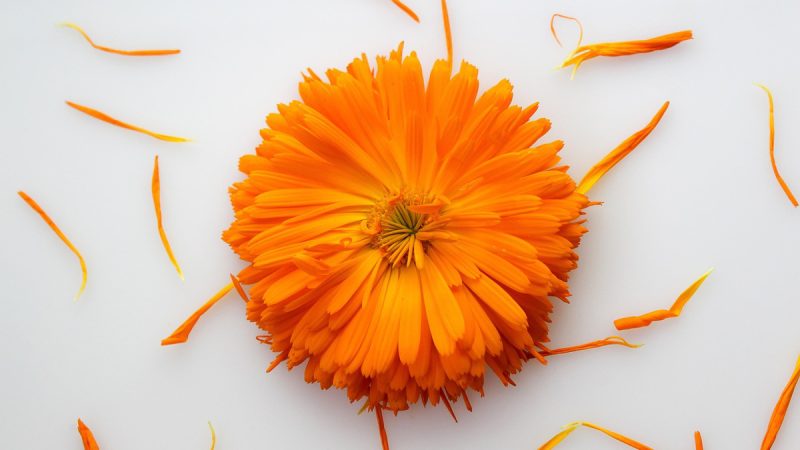
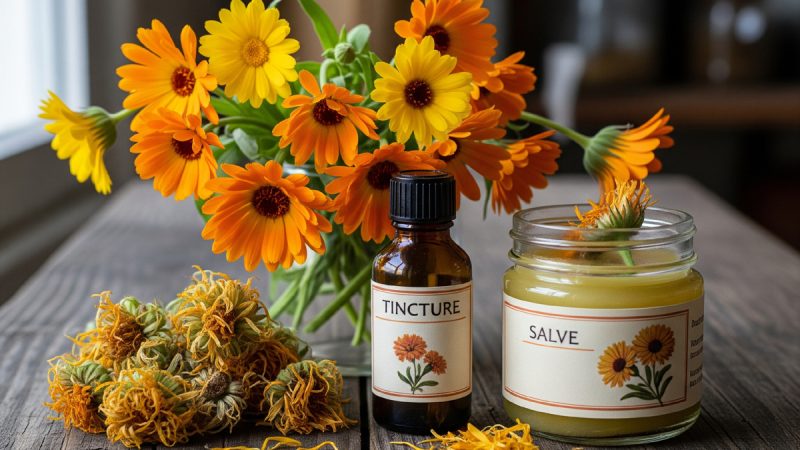
- Marigold (Calendula) Salves: Known as the “poor man’s saffron,” marigolds were staples of the kitchen garden. The petals were rendered into a thick salve using available animal fats like lard or beef tallow. This ointment was crucial for treating severe chapping in winter and for healing cracked cow udders to protect the family’s milk supply.
- Juniper & Circulation: Long days of physical labor in damp weather led to widespread joint and muscle pain. Pioneers steeped juniper berries in high-proof alcohol—often whiskey—to create a warming liniment that offered vital relief for aching limbs.
2. Practical Hygiene: Function Over Fashion
What we consider “beauty treatments” today were, for the pioneer, measures of basic hygiene necessary in a challenging environment.
- Nettles & Soap Recovery: Frontier soap made from wood ash (lye) and animal fat was functional but brutal. It often left hair brittle and scalps raw. A final rinse of nettle water was essential for conditioning the hair and restoring the skin stripped by homemade soap.
- Wild Strawberries for Sunburn: Despite wearing sunbonnets, “sun-scald” was an unavoidable hazard. Mashed wild strawberries provided a cooling, acidic paste that could soothe the sting after a long day in the fields.
- Rosemary & Chamomile: Masking the effects of aging was sometimes necessary where professional dyes were unavailable. Strong infusions of chamomile lightened hair, while rosemary leaves were used to darken graying hair, maintaining a sense of vitality.
3. Scent as Sanitation: Keeping a Healthy Home
In the damp, cramped conditions of a log cabin or sod house, scent played a crucial role in pest control and managing odors that were often associated with illness.
- Pest Control in Bedding: Sage, rosemary, and wormwood were more than just aromatics; they were tucked into bedding to deter lice, bedbugs, and flying pests that thrived in frontier dwellings.
- The Herb Pillow: Lavender and hops were sewn into small muslin bags. These “pill pillows” masked the pervasive smells of damp wool and woodsmoke, while the hops helped promote sleep for an exhausted homesteader.
- Toilet Water: Alcohol was a precious commodity reserved for medicine. However, for community socials or Sunday service, a splash of “eau-de-cologne”—made by saturating spirits with rose petals—was a rare luxury used to freshen up.
The Homesteader’s “All-Purpose” Healing Salve
A modern adaptation of a classic frontier recipe.
The Ingredients:
- 1 cup Rendered Tallow or Lard (Modern sub: Coconut Oil or Olive Oil)
- 1/2 cup Dried Calendula (Marigold) Flowers
- 1/4 cup Dried Lavender Buds
- 1 tbsp Beeswax (To firm the balm for portability)
The Process:
- Infuse: Place the fat and dried herbs in a heavy pot. Set over a “slow simmer” (double boiler) for 2 to 4 hours until the fat turns a golden hue.
- Strain: Pour the warm mixture through a clean muslin or cheesecloth into a tin, squeezing the herbs to extract all the medicinal oils.
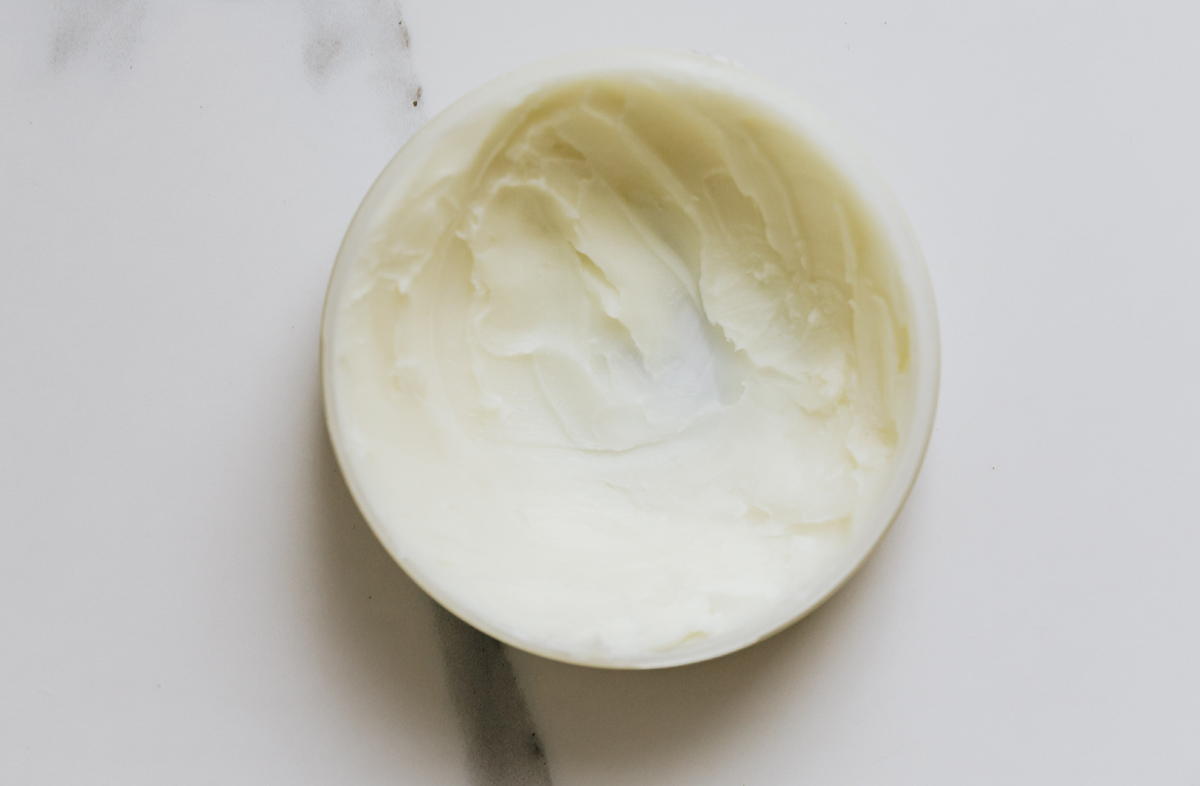
- Set: Stir in the beeswax while the liquid is warm. Move to a cool place until it firms into a creamy, protective salve.
Sources & Historical Context
- The Foxfire Book Series: Primary sources for North American folklore and traditional settler remedies.
- The Peterson Field Guide to Medicinal Plants and Herbs: For botanical identification and verified chemical properties of frontier plants.
- The American Frugal Housewife (Lydia Maria Child, 1829): A historical guide to self-sufficiency and homemade remedies for the early 19th-century settler.
- Diaries of the Westward Expansion (1840–1870): First-hand accounts detailing the scarcity of medical care on the Oregon Trail.
The Author:
Pioneerthinking.com: Ingredients for a Simple Life. Insights from a seasoned professional rooted in country living, with 28 years of horticulture expertise and over two decades of practical experience in homesteading, natural beauty and cosmetic creations, natural health, cooking and creative living.
Photo. Gemini