
10 Heritage Crochet Strategies
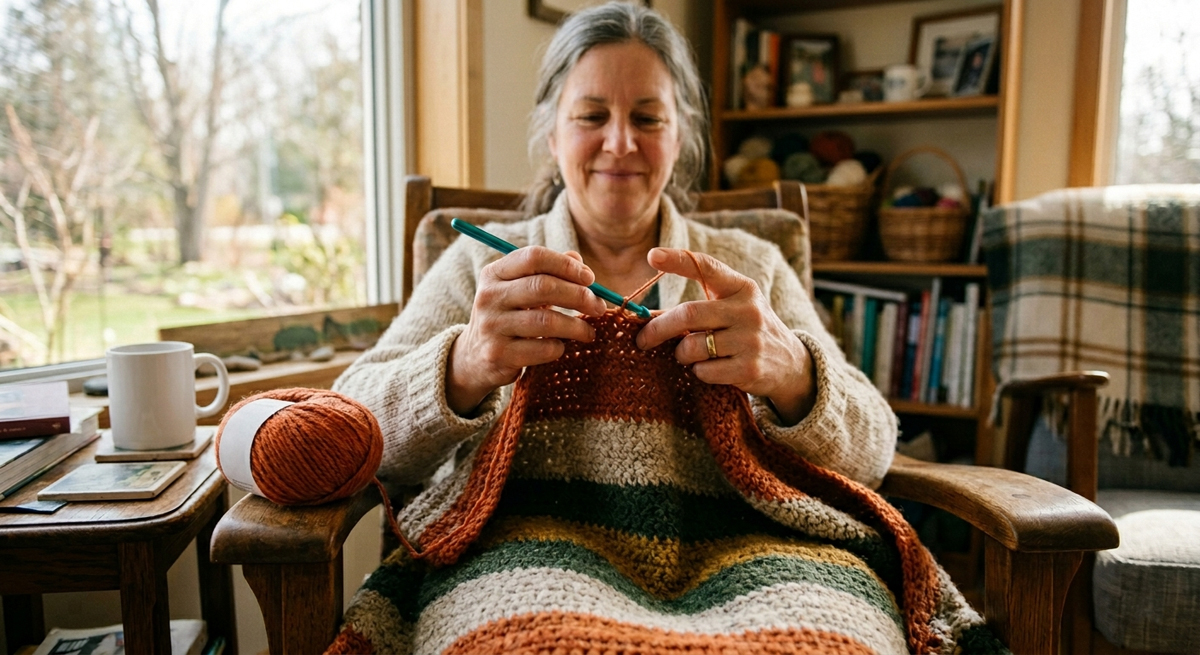
In the tradition of heritage crafts, crochet is far more than a hobby—it is a vital skill for the self-sufficient home. Whether you are crafting utilitarian “rag rugs” from fabric scraps or delicate lace edgings for heirloom linens, the difference between a functional piece and a masterpiece lies in the details.
Here are ten strategies to elevate your crochet mastery.
1. The Fiber Integrity Rule
Never mix different fiber types within a single project. Natural animal fibers (like wool or alpaca) and plant-based fibers (like cotton or linen) have vastly different “memories” and shrinkage rates. While a mixed-fiber piece may look beautiful off the hook, the first wash will cause it to distort and pucker. If you are using your own hand-dyed wools, ensure your entire project shares that same base.
2. Loose-Tension Yarn Winding
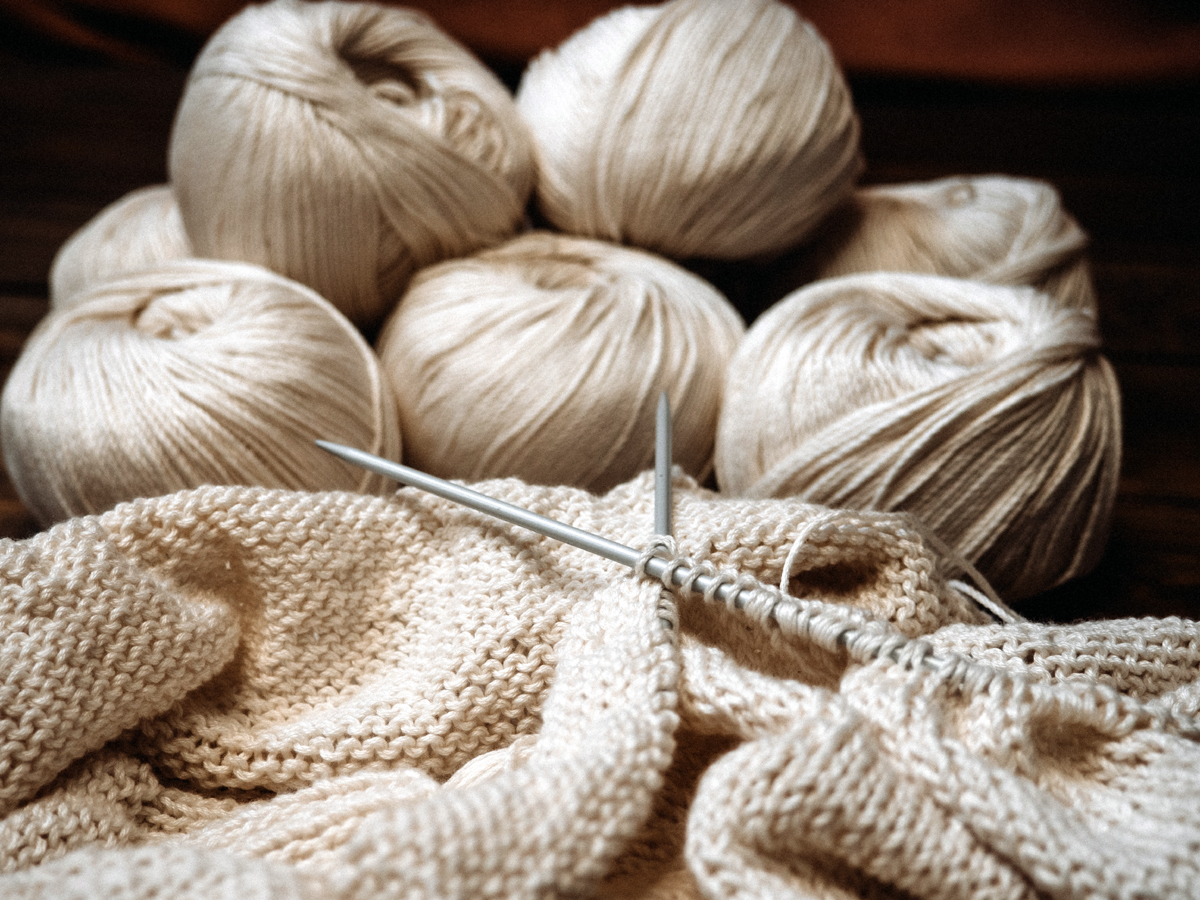
When preparing your yarn, avoid winding it into tight, hard balls. Over-tensioned yarn loses its natural elasticity over time. Instead, wrap the yarn loosely around two fingers. When you pull your fingers out, you’re left with a soft “cake” that won’t roll away and, more importantly, won’t stretch out the fibers before you even begin.
3. Structural Texture: FLO vs. BLO
To go beyond basic stitches, experiment with where you insert your hook. Working in the Front Loop Only (FLO) creates a lighter, more flexible fabric, while working in the Back Loop Only (BLO) creates a distinct horizontal ridge that mimics knitting. This is essential for creating the “ribbing” seen on heritage sweaters and hats.
4. Stewardship of the “Thread Tail”
A truly professional piece has no visible seams or messy endings. As you work, carry your yarn tails along the top of your stitches and “crochet over” them for at least three inches. This secures the end much more effectively than simple weaving and saves you hours of finishing work at the end of a project.
5. The “Pioneer” Stitch Marker
You don’t need plastic markers to keep your place. In the spirit of self-reliance, use what you have on hand. A small scrap of contrasting yarn, a safety pin, or even a smooth twig from the garden can mark the end of a row or a specific repeat. This is particularly useful when working on complex patterns in the garden or on the porch.
6. Active Pattern Management
When following a pattern with multiple sizes (usually noted in parentheses), use a highlighter or a circle to mark your size throughout the entire document before you start. This prevents the “size-drift” that happens when you accidentally jump from a Medium instruction to a Large mid-row.
7. The Post-It Note Tracking System
Place a Post-it note directly under the row you are currently working on. As you finish a row, move the note up. This serves as a physical “anchor” for your eyes and provides a space to jot down the number of repeats you’ve completed, especially for long, rhythmic projects like afghans.
8. Color-Carrying (The Fair Isle Technique)
If your project requires frequent color changes, such as a checkerboard pattern, don’t cut the yarn. Instead, “carry” the unused color along the top of the previous row, stitching over it as you go. This keeps the back of your work tidy and ensures the second color is always “waiting” for you exactly where you need it.
9. Winter Light and Wellbeing
Crocheting during the winter months is a wonderful way to soothe the soul, but it can be hard on the eyes. If you find yourself struggling with dark-colored yarns, invest in a “daylight” lamp. Working with bright, lively colors during the colder months isn’t just a craft choice—it’s a way to renew your spirit when the garden is dormant.
10. Mentorship and the Next Generation
Traditional crafts only survive if they are passed down. Get the children and grandchildren involved by letting them “finger crochet” or help you wind soft yarn cakes. Teaching a child to read a pattern is as much a lesson in literacy and logic as it is in art.
Artisan Tip: For those interested in historical accuracy, remember that many pioneer-era patterns were never written down. They were “read” from existing pieces. Developing the ability to look at a stitch and replicate it is the ultimate mark of a master maker.
The Author:
Pioneerthinking.com: Ingredients for a Simple Life. Insights from a seasoned professional rooted in country living, with 28 years of horticulture expertise and over two decades of practical experience in homesteading, natural beauty and cosmetic creations, natural health, cooking and creative living.
Photo. Gemini

My Granddaughters are nearly 6 years old now. I have started teaching them the basics of crochet. The book we make for each girl will have this article ( Top 10…) in it. I can be of great help to them, crocheting and reading. Thank you.
Thank you so much — this made our day! What a lovely gift to make a crochet book for each granddaughter. We’re honored the Top 10 tips will be part of it. Wishing you and the girls many happy stitches and cozy projects together