
Crafting Different Uses for Your Food Dehydrator – 10 Ideas to Get You Started
Let’s play a word association game. What is the first thing you think of when I say, “Dehydrator”? Long-term food storage? Survival food? Fruit leather? Beef jerky? Craft projects? Wait – “Craft projects?” From a food dehydrator? What kind of craft projects can possibly use a food dehydrator? Quite a few, actually.
Here are 10 ideas* to get you started.
1. Dried apples aren’t just for eating. Slice apples into rings, dust with cinnamon or nutmeg if desired, and dehydrate. String them onto a length of jute cord, alternating with other dehydrated fruits, nuts, cinnamon sticks, and colorful strips of cloth tied in bows. Tie a knot in each end of the cord or tie ends together. Hang it on a wall, above a door or window, over a curtain rod. Drape it on a mantel or shelf.
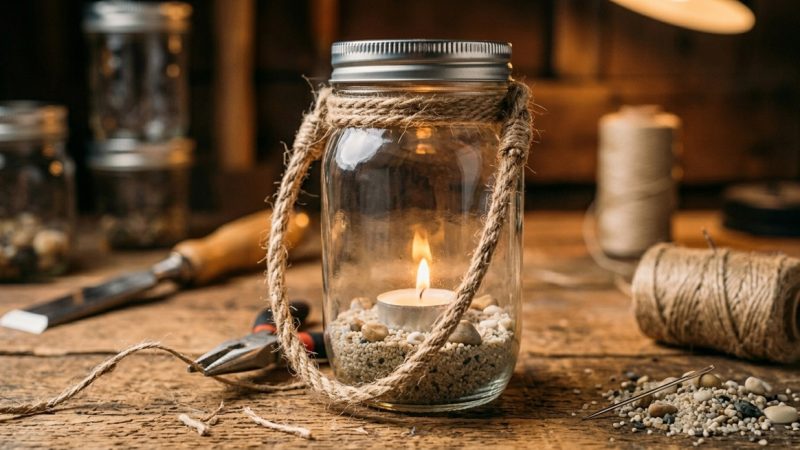
2. Fill a large decorative jar with dehydrated fruits, nuts, berries, flowers, and cornhusks. Seal it with a tight-fitting lid. Set it on a mantel, hutch, or table for a rustic look.
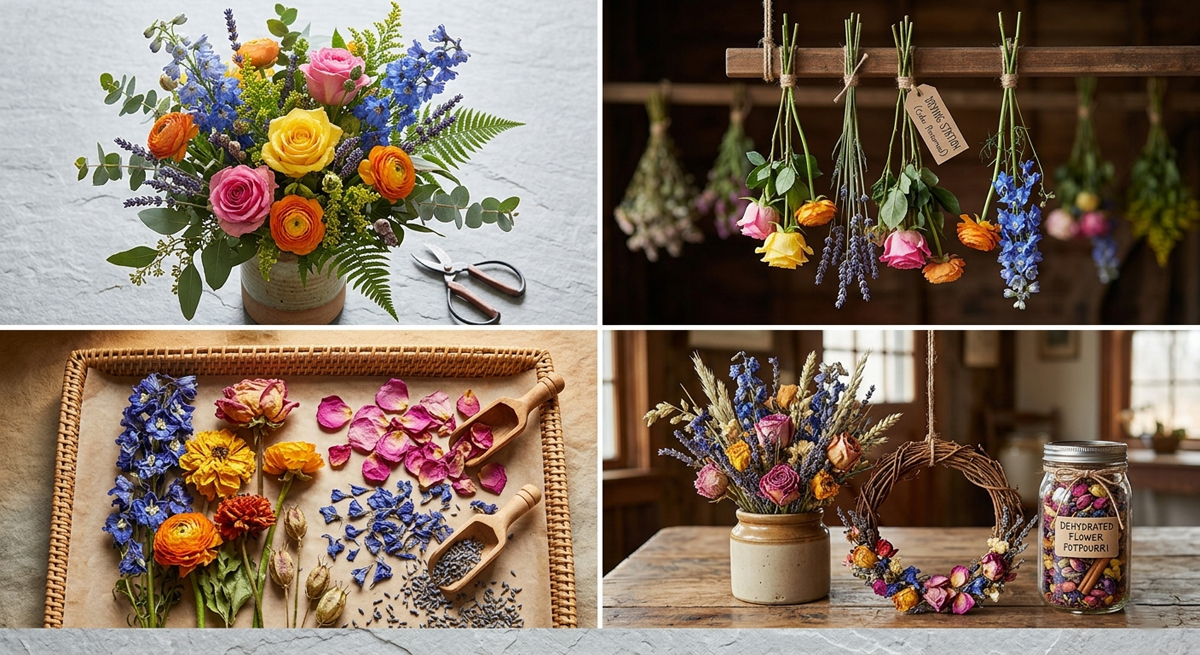
3. Don’t throw out your flower bouquets! Dehydrate them while they still have color, then use them in arrangements, wreaths, or potpourri. You can dry the whole flower or just the petals.
Read More >> How to Dehydrate Strawberries
4. Dress up your yard sale, bazaar, or craft sale items. Tie dried flowers with a bit of ribbon or twine, then set them in a vase, pitcher, or crock. Mason jars could hold such treasures as home-made trail mix, dried fruit slices, and yogurt taffy. A pretty bowl might hold potpourri.
5. Glue dehydrated flowers, nuts, fruit, and seed pods onto wood letters, then paint if desired. Attach the letters to a wood base for stability. Spell out your name for a unique desk plaque. Use thicker pieces of wood for individual, stand-alone letters.
6. Use your dehydrator as a quick way to dry papier mache, clay figures, or plaster-of-paris. Tip: You may want to line the bottom of your dehydrator with parchment paper sheets or a tray liner for easy clean-up.
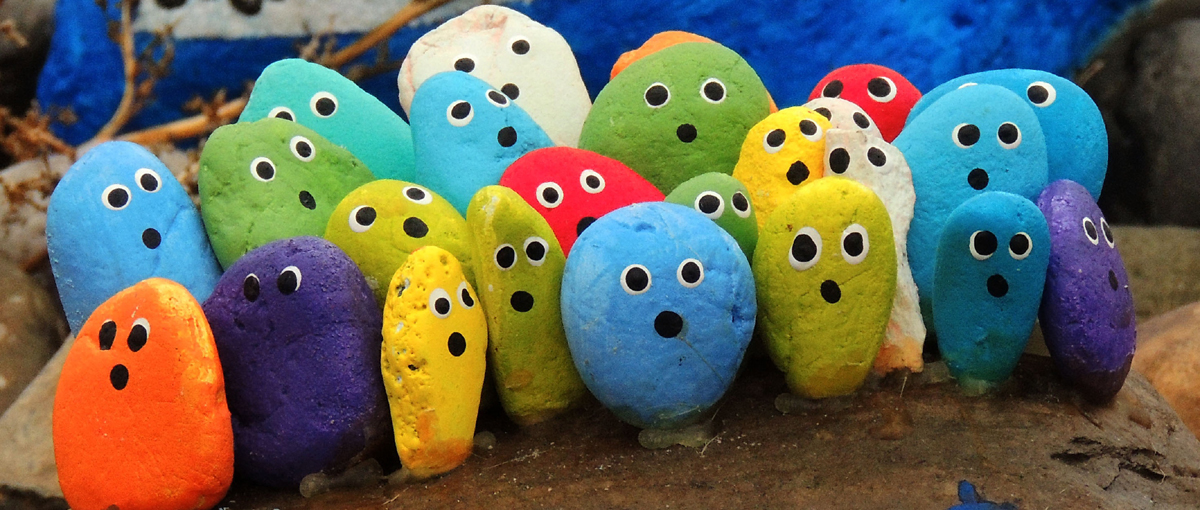
7. Dough art is a fun way to get the whole family into crafting! With a basic recipe and a little imagination, you can turn out dozens of dough ornaments, plaques, and figures – perfect for any occasion! Using your dehydrator prevents the cracking, baking, breaking, and browning that can happen in the oven. When your work is dry, it’s ready to be painted and sealed.
8. Make your own edible cake decorations in advance. Pipe frosting onto solid tray liners or plastic wrap sheets, then dehydrate. Have flowers, swirls, ropes, and dots ready when you need them!
9. A plain wood frame becomes a work of art when you attach dehydrated items to it. Customize the frame to complement the picture it will hold.
10. Dehydrated citrus fruits – oranges, lemons, limes, grapefruit – make interesting decorations. Thin slices tied with gold or silver cord can be hung on a Christmas tree or in a window. Use whole fruits as candle holders, paint or carve whimsical faces on them, or set them out as air fresheners. You can even use the rinds to make small dolls and animals.
Read more. >> How to Make Dried Apple Rings
With the yard sales and fairs of summer, the bazaars and craft sales of autumn, and the holidays of winter, now is a great time to be crafting. What will be your next project?
*Some of these items may be large, requiring removable trays and door for maximum drying space. Be sure of your dehydrator’s capacity and capabilities before beginning your project.
The Author:
S Poehlein – For as long as I can remember, I’ve loved crafts. From writing and drawing to knitting and crocheting, ceramic painting to flower arranging, embroidery and sewing to gourd craft – the process of picturing an item in my mind, figuring out how to produce it, and then seeing it come to life holds a special fascination for me.
Photo. Gemini
Source: EA
Traditional Pioneer Dehydration Crafts
by pioneerthinking
The pioneers were masters of “functional beauty.” When a craft took hours of handiwork, it usually served a purpose—whether as a toy for a child, a way to freshen a room, or a festive decoration for a holiday.
Here is how pioneers used dehydration for decoration and gifts:
Festive Garland and Hearth Decor
During the holidays or harvest festivals, the functional strings of drying fruit became festive. Pioneers would select the brightest red apple skins or the most perfectly circular orange and lemon slices (when available as rare treats) to string into garlands. They would often intersperse these with dried rosehips, pinecones, and popcorn to create a decorative drape for the mantel or the Christmas tree.
Dried Flower Mementos
Pioneer women were known for “pressing” flowers from special occasions—like a wedding bouquet or a wildflower picked by a child—inside the heavy pages of a family Bible. Beyond pressing, they practiced air-drying by hanging bunches of lavender, strawflowers, and statice from the rafters. Once dry, these were used to create “everlasting” bouquets that provided color in the home during the bleak, grey months of winter.
The Dried Apple Head Doll
Perhaps the most iconic pioneer craft, these dolls were made by carving a face into a peeled apple. As the apple dehydrated, it shriveled into a unique, wrinkled character. No two dolls were ever the same.
-
A large, firm apple was peeled and cored. Simple facial features (eyes, nose, mouth) were carved into the flesh.
-
The head was dipped in lemon juice and salt to prevent rot, then hung by a string in a warm, dry spot near the hearth for several weeks.
-
Once leathery and fully dry, pioneers would use beads or seeds for eyes and scraps of wool or corn silk for hair. The “head” was then mounted onto a wire or wood-stick frame dressed in fabric scraps.
Clove-Studded Pomanders
Long before synthetic air fresheners, pioneers used pomanders to keep linens smelling sweet and to mask the odors of a busy kitchen.
- A firm orange or small apple was completely studded with whole dried cloves. The cloves acted as a natural preservative and a scent booster.
- The fruit was rolled in a mixture of ground cinnamon and nutmeg, then left in a dark, dry place to shrink and harden.
- Once fully dehydrated, these “spice balls” would last for years. They were often tied with a simple scrap of lace or calico and hung in closets or tucked into “hope chests” filled with hand-woven blankets.
Corn Husk Dolls
After the harvest, nothing went to waste. While the corn fed the family, the husks became the medium for one of the most beloved frontier toys.
- Dried husks were soaked in warm water to make them pliable. They were then folded, tied with twine at the “neck” and “waist,” and braided to form arms and legs.
- Many pioneer families followed the custom of leaving the dolls faceless. This encouraged children to use their imaginations, but it also carried a humble sentiment that only the Creator could make a face.

I have had a dehydrator for many, many years, & have never thought of using it for non-edibles – flowers, paper-mache – or that it was possible to make my own cake decorations. Thanks!
You’re welcome! I’m so glad that the article helped you discover new possibilities for your food dehydrator. It’s amazing how versatile it can be beyond just drying food. Happy crafting and enjoy exploring all the creative uses for your dehydrator!