10 Powerful Plants to Keep Mosquitoes Away from Your Home

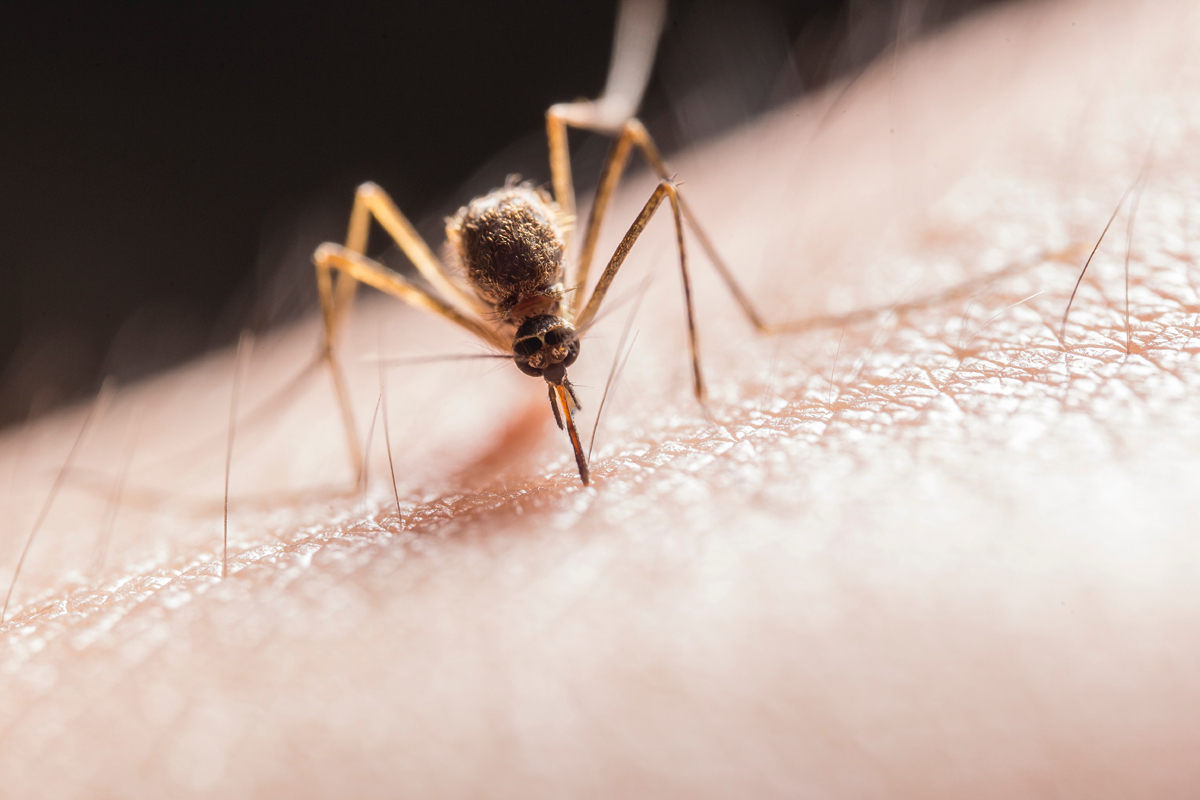
Mosquitoes can carry diseases such as malaria, yellow fever, and dengue fever, which makes them a significant health hazard. Apart from causing itchiness and redness, mosquito bites can also lead to serious illnesses. Mosquito repellent plants can help you protect your home and garden from these pesky insects without exposing yourself to harmful chemicals.
Citronella
Citronella is one of the most popular mosquito-repelling plants. It contains citronellol and geraniol, two compounds that mosquitoes dislike. Citronella essential oil is often used in candles and sprays to keep mosquitoes away. Plant citronella in pots or hanging baskets or use it to create a natural barrier around your home.
Lemon Balm
Lemon balm is a member of the mint family and has a bright, lemony scent that mosquitoes dislike. It grows quickly and can spread, so it is best to plant it in pots. Use fresh leaves to make a natural mosquito repellent spray.
Lavender
Lavender is a beautiful plant that produces fragrant flowers and essential oil. Its scent repels mosquitoes, and it also attracts beneficial insects such as bees and butterflies. Plant lavender in a sunny spot and use the flowers to make sachets or mosquito-repellent bracelets.
Marigold
Marigolds produce a strong smell that masks other scents, including the scent of humans. This makes them an effective mosquito repellent plant. They also have anti-inflammatory properties, making them useful for treating skin irritations caused by mosquito bites.
Catnip
Catnip is a herb that contains nepetalactone, a chemical that mosquitoes hate. It is an easy plant to grow and can become invasive if not controlled. Use fresh leaves to make a natural bug spray.
Peppermint
Peppermint is another member of the mint family that can repel mosquitoes. Its strong scent is a natural deterrent to many insects, including mosquitoes. Grow peppermint in pots and use the leaves to make a natural spray.
Rosemary
Rosemary is a fragrant herb that repels mosquitoes and other insects. Its essential oil can be used to make a natural mosquito repellent. Rosemary also has antioxidant and anti-inflammatory properties that can help treat insect bites.
Basil
Basil is a popular herb used in cooking, but it can also repel mosquitoes. Its strong scent comes from essential oils that can be used to make a natural bug spray. Basil is also easy to grow and can be found in many varieties.
Eucalyptus
Eucalyptus contains citronellal, a compound that gives it a pleasant scent and can repel mosquitoes. It is best to use eucalyptus in the form of essential oil or candles since mosquitoes dislike the smell of smoke.
Lemon Verbena
Lemon verbena is a fragrant herb that produces a citrusy scent that repels mosquitoes. Its leaves can be used to make a natural mosquito repellent. Lemon verbena is easy to grow and can be used in teas and culinary dishes.
Natural mosquito control plants are an effective way to repel mosquitoes and create a pleasant outdoor environment. Using these plants to create a natural barrier around your home can help reduce mosquito bites and the risk of diseases associated with them. Plant them in pots or hang them around your porch or backyard and enjoy a mosquito-free summer.
🤠 The Pioneer View: Old-School Wisdom for the Modern Homestead
Long before we had store-bought sprays and fancy citronella candles, folks on the frontier had to rely on “green grit” to keep the swarms at bay. If you’re looking to manage your land like a true pioneer, keep these three principles in mind:
1. The “Bruise and Release” Technique
Simply sitting a plant on your porch won’t always do the trick. Pioneers knew that the real power of these plants is locked inside the leaves. To truly ward off a “skeeter” invasion, you need to agitate the foliage.
- Action: As you walk past your herbs, give them a gentle ruffle or crush a leaf between your fingers to release those essential oils into the air.
2. Strategic Placement is Survival
In a cabin or a sod house, airflow was everything. A pioneer wouldn’t just plant lavender in a far-off garden; they’d place it right under the windowsills and near the doorways.
- The Goal: Create a “scent curtain” that confuses the mosquito’s heat-seeking radar before they ever cross your threshold.
3. Smoke: The Ultimate Deterrent
While the article mentions eucalyptus candles, the old-timers used the real deal. When the sun started to set and the “creek-biters” came out, throwing a handful of dried rosemary or sage into a small smudge fire (a smoky, low-heat fire) was the standard defense for an evening on the porch.
Pioneer Pro-Tip: Don’t let your water sit! A true homesteader knows that a single bucket of stagnant rainwater is a nursery for thousands of mosquitoes. Keep your troughs clean and your rain barrels covered, or all the basil in the world won’t save you.
The Author:
Pioneerthinking.com: Ingredients for a Simple Life. Insights from a seasoned professional rooted in country living, with 28 years of horticulture expertise and over two decades of practical experience in homesteading, natural beauty, natural health, cooking and creative living.
Photo. Alexander Fox