Boost Your Brain Power with Omega-3 Fatty Acids
In the heritage kitchen, a sharp mind is recognized as the most vital tool. While modern science identifies Omega-3 fatty acids as the essential building blocks of brain health, traditional wisdom simply called them “Brain Food.” Staying “bright-eyed and bushy-tailed” through long seasons required a diet rich in specific fats that kept the nervous system fluid and the memory keen.
Much like how the right soil nutrients transform a garden, specific fats are essential for the human mind. The brain is roughly 60% fat, and Omega-3s serve as the structural “lumber” used to build and repair healthy brain cells.
The Science of the “Thinker’s Fat”
Research reveals that Omega-3s—specifically EPA (eicosapentaenoic acid) and DHA (docosahexaenoic acid)—help facilitate oxygen flow to the brain. This assists in “neuroplasticity,” the brain’s ability to retain new information and recall the old.
Studies, including those published in the American Journal of Clinical Nutrition, show that individuals with higher Omega-3 levels demonstrate better cognitive performance and less age-related brain shrinkage. Essentially, these fats ensure that messages between nerve cells are transmitted as clearly as a bell across a quiet valley.
The Frontier Larder: Best Fish Sources
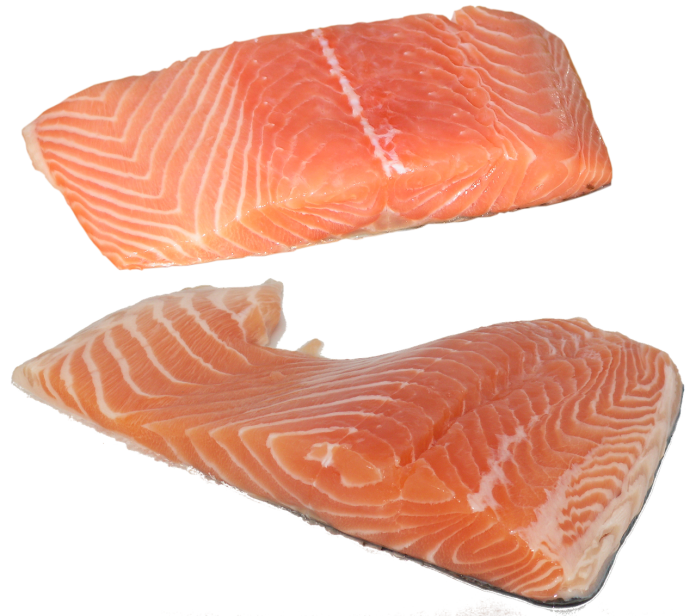
To obtain the most potent “Brain Power” boost, the focus remains on cold-water fish. These varieties are high in DHA, which governs brain development, and EPA, which helps regulate mood and reduce inflammation.
| Fish Variety | Omega-3 Content (per 3.5 oz) | Pioneer Thinking Tip |
| Wild-Caught Salmon | ~1.5g EPA/DHA | Choose “Wild” to avoid the chemical runoff often found in many modern fish farms. |
| Herring | ~1.8g EPA/DHA | A traditional “pickling” favorite that stays shelf-stable in a cool pantry or root cellar. |
| Tuna | ~0.5g EPA/DHA | Excellent for a quick, high-protein larder lunch. |
The Seed & The Nut: Vegetarian Alternatives
When the sea is far from the homestead, the garden provides. However, plant-based sources contain ALA (alpha-linolenic acid). While beneficial, the body must convert ALA into EPA and DHA.
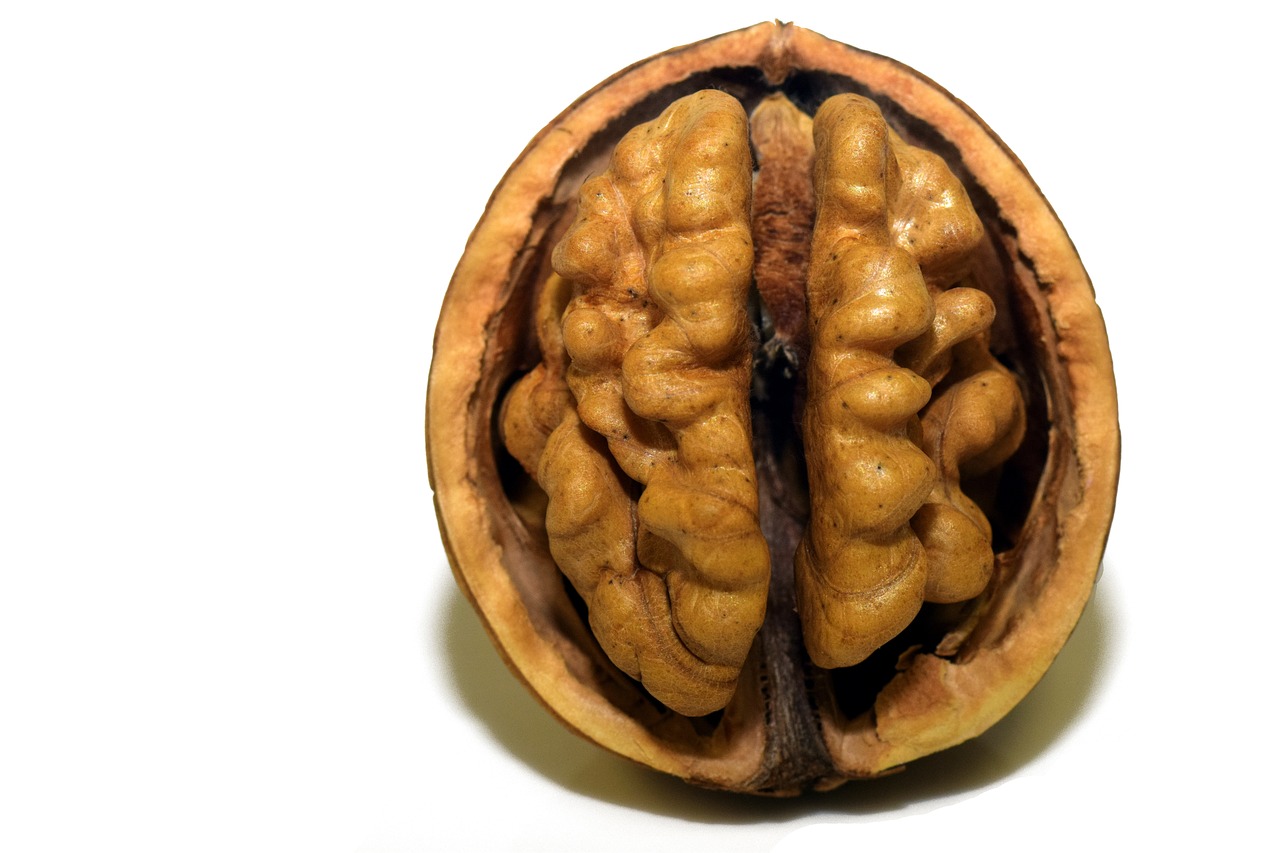
- Walnuts: Nature provides a visual clue—a walnut mimics the appearance of a brain. They are the premier land-based source of healthy fats.
- Flax & Chia Seeds: These are staples of a natural pharmacy. For the best absorption, flaxseeds should be ground fresh to release the oils just before eating.
- Horticulture Note: These seeds are easily cultivated in the home garden, providing a double benefit of beautiful blooms and high-density nutrition.
Historical Roots: Staying Sharp on the Homestead
- The Cod Liver Rite: Long before modern supplements, a spoonful of cod liver oil was a mandatory morning ritual in many traditional households. It was considered “liquid gold” that ensured mental stamina during long hours of work and study.
- Larder Staples: Traditionally, jars of walnuts and seeds stored in the pantry provided concentrated energy. These were essential for keeping the mind focused when fresh produce was scarce during the winter months.
- Foraging for Purslane: Many early homesteaders recognized that certain “weeds” were more nutritious than cultivated crops. Wild Purslane, which grows in many backyard gardens, is one of the highest plant-based sources of Omega-3s ever discovered.
The Pioneer Mindset
Nourishing the brain is not about finding a “magic pill.” It is about returning to the ingredients of a simple life—fish from clean waters, nuts from healthy soil, and seeds harvested with intention. By feeding the brain the fats it was designed to use, the mind gains the clarity and grit necessary to manage the modern homestead.
Expert Tips for the Modern Larder:
- Freshness Matters: Omega-3 oils are fragile. Store nuts and seeds in a cool, dark place (like a refrigerator or root cellar) to prevent the oils from going rancid.
- The “Three-Minute” Rule: If preparing fish, avoid overcooking at high heat, which can degrade the delicate fatty acids. Gentle poaching or light grilling is best.
- Synergy: Pair Omega-3s with antioxidant-rich berries from the garden. The antioxidants help protect these fragile fats from oxidation within the body.
Sources & Further Reading:
- Harvard Health: Omega-3 Fatty Acids: An Essential Contribution
- National Institutes of Health: Omega-3 Fatty Acids Fact Sheet
- Medical News Today: The Benefits and Risks of Omega-3s
The Author:
Pioneerthinking.com: Ingredients for a Simple Life. As a seasoned natural health consultant and horticulturist, I bring 28 years of botanical expertise and over two decades of practical experience to the Frontier Pharmacy. My work is rooted in country living, specializing in heritage wellness, homesteading, and the creation of natural beauty and medicinal remedies. I am dedicated to providing time-tested, professional guidance for those looking to restore intentional health to their homes and gardens.
Photo. Piotr Eliasz