All About Perennial Herbs

Perennial herbs are a homesteader’s best friend, offering a bounty of flavors and health benefits year after year. Unlike annual herbs that need to be replanted each season, perennial herbs return season after season, making them a sustainable choice for your garden. In this article, we’ll explore the benefits of perennial herbs, how to harvest them, and the best methods for preserving your harvest before the first frost.
Benefits of Perennial Herbs
Perennial herbs are not only easy to grow but also provide a range of culinary and medicinal uses. Here are some key benefits:
- Sustainability: Once established, perennial herbs require less maintenance and can thrive in various conditions, making them a low-effort addition to your garden.
- Flavor and Nutrition: Herbs like sage, thyme, and oregano enhance the flavor of dishes while also offering nutritional benefits, such as antioxidants and anti-inflammatory properties.
- Medicinal Uses: Many perennial herbs have traditional medicinal uses. For example, sage is known for its antimicrobial properties, while thyme can help with respiratory issues.
Popular Perennial Herbs to Grow
Here are some of the most popular perennial herbs that every homesteader should consider:
| Herb | Flavor Profile | Culinary Uses | Medicinal Benefits |
|---|---|---|---|
| Sage | Earthy, slightly peppery | Stuffing, meats, and sauces | Antimicrobial, digestive aid |
| Thyme | Savory, earthy | Soups, stews, and marinades | Antiseptic, respiratory support |
| Oregano | Robust, slightly bitter | Italian dishes, pizza, and salads | Antioxidant, anti-inflammatory |
| Chives | Mild onion flavor | Salads, soups, and garnishes | Digestive aid, rich in vitamins |
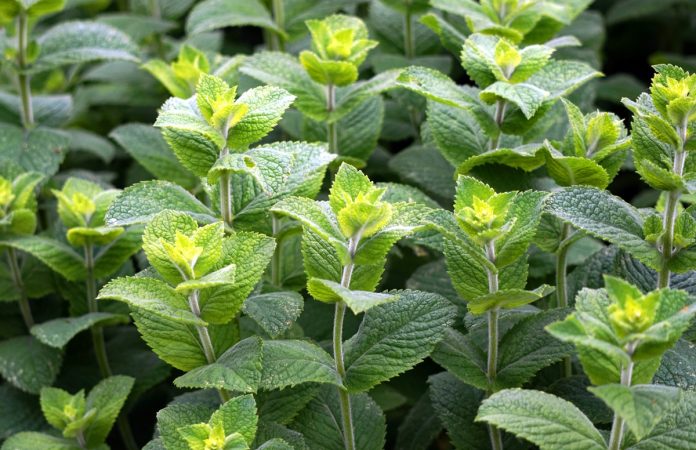
| Mint | Refreshing, sweet | Teas, desserts, and salads | Digestive aid, anti-nausea |
Harvesting Perennial Herbs
To ensure a bountiful supply of herbs for your cooking and remedies, it’s essential to harvest them correctly. Here are some tips:
- Timing: Harvest herbs in the morning after the dew has dried but before the sun is too hot. This helps preserve their essential oils and flavor.
- Cutting: Use sharp scissors or pruning shears to cut stems just above a leaf node. This encourages new growth and keeps the plant healthy.
- Quantity: Only take what you need, leaving enough foliage for the plant to continue thriving. A good rule of thumb is to harvest no more than one-third of the plant at a time.
Preserving Your Harvest
Once you’ve harvested your perennial herbs, it’s time to preserve them for future use. Here are some effective methods:
- Drying: Bundle stems together and hang them upside down in a cool, dark, and dry place. Once fully dried, store the leaves in airtight containers away from light.
- Freezing: Chop fresh herbs and place them in ice cube trays filled with water or olive oil. Once frozen, transfer the cubes to a freezer bag for easy use in cooking.
- Infusing: Create herb-infused oils or vinegars by steeping fresh herbs in oil or vinegar for several weeks. This adds flavor to your dishes and can be used as a dressing or marinade.
Preparing for Frost
As the first frost approaches, it’s crucial to prepare your perennial herbs to ensure they survive the winter. Here are some steps to take:
- Mulching: Apply a layer of mulch around the base of your herbs to insulate the roots and retain moisture.
- Cutting Back: Trim back any dead or damaged foliage to promote healthy growth in the spring.
- Covering: For particularly sensitive herbs, consider covering them with a frost cloth or burlap to protect them from extreme cold.
By following these tips, you can enjoy a thriving herb garden that provides fresh flavors and health benefits throughout the year. Perennial herbs like sage, thyme, and oregano are not just plants; they are a vital part of your homesteading journey, enriching your meals and remedies with their unique qualities. Happy gardening!
The Author:
Pioneerthinking.com: Ingredients for a Simple Life. Insights from a seasoned professional rooted in country living, with 28 years of horticulture expertise and over two decades of practical experience in homesteading, natural beauty, natural health, cooking and creative living.
Photo. Gemini