Homestead Methods for Storing Potatoes for Winter
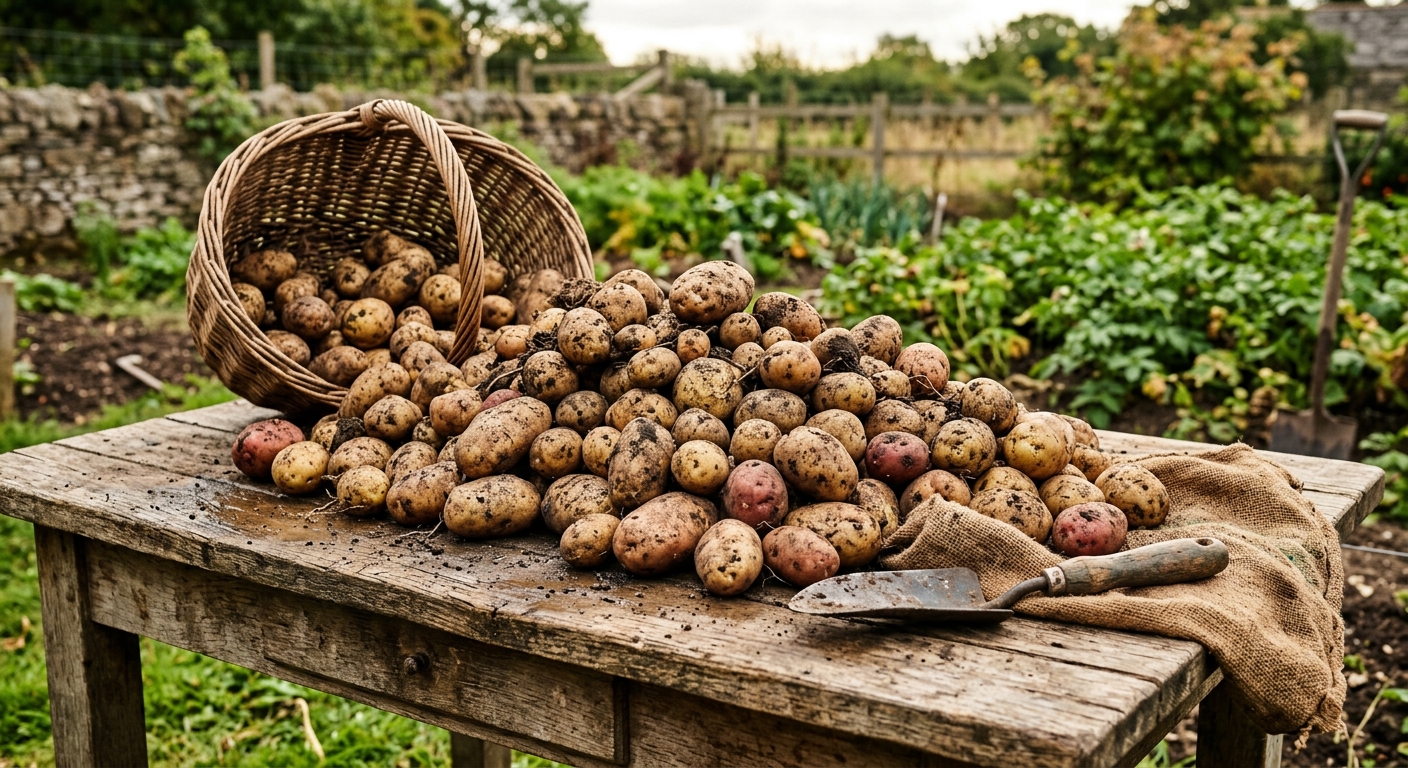
There is something uniquely satisfying about harvesting a crop of potatoes. Crisp, earthy, and packed with nutrition, a good yield can feed a family through the coldest months of the year. However, bringing them out of the dirt is only half the journey. Keeping those spuds firm, sweet, and sprout-free until spring takes a bit of thoughtful care.
Whether you have a bumper garden crop, a homestead haul, or a bulk purchase from a local farmers market, here is everything you need to know to store potatoes successfully at home—plus a look at how homesteaders yesterday and today keep their harvests fresh.
The First Rule of Potato Storage: Curing
Before you move your potatoes into long-term storage, they need time to “cure.” Think of curing as a potato’s way of putting on a heavy winter coat. During this process, the skins thicken, and minor nicks or scratches from harvesting heal over. This protective layer prevents moisture loss and keeps decay-causing bacteria out.
- How to do it: Spread your unwashed potatoes out in a single layer in a warm, dark, and well-ventilated spot—like a porch, shed, or spare room—where temperatures stay between 45°F to 60°F (7°C to 15°C).
- Timeframe: Let them rest undisturbed for 10 to 14 days.
- Golden Rule: Never wash your potatoes before storing them! Moisture trapped in tiny crevices invites mold and rot. Gently brush off excess dirt with your hands or a soft dry cloth only after the soil has dried.
Creating the Ideal Environment
Once cured, potatoes thrive under four simple conditions: cool, dark, humid, and airy.
1. Keep It Cool (But Not Freezing)
Aim for a stable temperature between 38°F and 45°F (4°C to 7°C).
- Too cold [below 38°F (4°C)]: The starches in the potato turn to sugar, making them unnaturally sweet and causing them to darken unpleasantly when cooked.
- Too warm [above 50°F (10°C)]: The potato thinks spring has arrived and will start sprouting and shrinking.
2. Block All Light
Light is the enemy of stored potatoes. Exposure to ambient light triggers the production of chlorophyll, turning the skin green and producing solanine—a naturally occurring toxic compound that tastes bitter and can cause stomach upset. Always keep spuds in total darkness.
3. Maintain High Humidity
Potatoes are mostly water, and dry air will cause them to shrivel up like old leather. They prefer a humid environment (around 85–90% relative humidity), which keeps them plump and crisp.
4. Let the Air Flow
Stagnant air breeds moisture pockets and rot. Use containers that breathe:
- Slotted wooden crates or baskets: Excellent for natural airflow.
- Burlap or mesh bags: Great for hanging or stacking lightly.
- Cardboard boxes: A budget-friendly option, provided you punch extra air holes around the sides.
Kitchen Tip: Keep your potato stash well away from your onions and apples. Onions and ripening fruits release ethylene gas, which dramatically speeds up sprouting in potatoes!
Easy Storage Locations Around the Home
You don’t need a formal root cellar to store potatoes successfully. Look around your home for spots that naturally stay cool and dim:
- Unheated Basements: Usually offer the best mix of humidity and cool temperatures.
- Insulated Garages or Utility Closets: Ideal for fall and winter, provided temperatures don’t dip below freezing.
- Pantry Floor or Kitchen Cabinet: If warm ambient temperatures [around 50°F to 60°F (10°C to 15°C)] are your only option, pick the lowest shelf in the coolest, darkest cupboard away from the stove and oven. They won’t last as long, but proper dark storage will still give you several weeks of freshness.
Simple Winter Maintenance
Every two to three weeks, take a quick peek at your potato supply.
- Pick out bad spuds: If you spot any soft, bruised, or leaking potatoes, remove them right away. The old saying is true: one bad potato can ruin the whole crate.
- Knock off sprouts: If tiny eyes or sprouts begin to form, simply snap them off with your fingers.
From Past to Present: How Pioneers Kept the Harvest
Storing root crops isn’t a new challenge; it’s an ancient art refined over generations. The strategies used by pioneer families in the 1800s remain remarkably similar to those used by modern homesteaders and off-grid preppers today.
How the Pioneers Stored Their Potatoes
For 19th-century pioneers, a failed potato harvest meant a long, hungry winter. Without electricity or modern insulation, they relied entirely on earth-tempered storage:
- Earth Clamp & Pit Storage: Before building permanent cellars, pioneers dug shallow trenches or mounds called “clamps” directly into well-drained ground. They layered harvested potatoes on a bed of dry straw, covered them with more straw, and mounded a thick layer of soil over top. The earth acted as natural insulation, maintaining a stable temperature just above freezing throughout harsh winters.
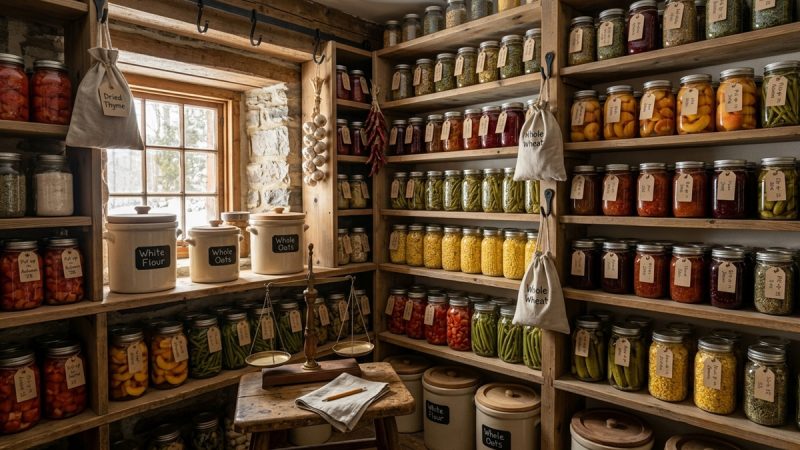
- Dugout Root Cellars: As homesteads developed, pioneers constructed underground root cellars beneath homes or carved them into hillsides. Built with log or stone walls and dirt floors, these cellars naturally held high humidity and stayed naturally cool without ever freezing.
- Dry Sand and Straw Packing: Potatoes were often buried in barrels filled with clean, dry sand, sawdust, or wheat straw. The dry medium cushioned the tubers, absorbed excess moisture, and kept them separated so decay couldn’t spread from one spud to another.
How Today’s Homesteaders Store Them
Modern homesteaders and self-reliance enthusiasts combine traditional wisdom with convenient, durable materials to build resilient storage solutions without relying on refrigeration:
- In-Ground Trash Can “Cellars”: A popular modern DIY alternative to the pioneer pit is burying a clean, heavy-duty galvanized metal or plastic trash can vertically in the ground. Holes drilled in the bottom allow drainage, while straw layers and an insulated lid keep potatoes secure from frost and pests.
- Dehydration and Freeze-Drying: While fresh storage remains a priority, modern homesteaders frequently preserve potatoes long-term through drying. Scalloped slices, hash browns, and diced potatoes are blanched and dehydrated, or freeze-dried into lightweight, shelf-stable ingredients that store safely in airtight Mylar bags with oxygen absorbers for 10 to 25 years.
- Pressure Canning: Preserve diced or cubed potatoes in water using pressure canners. This creates fully cooked, shelf-stable jars ready for quick soups, stews, or breakfast hashes without needing cool ambient temperatures at all.
- Modernized Cellars and Coolers: Today’s homesteaders often turn unused cool basements or converted chest freezers (fitted with external thermostat controllers) into micro-root cellars, giving them precise control over temperature and humidity year-round.
Pioneer Wisdom: Time-Tested Lessons from the 19th-Century Homestead
For early settlers, a well-managed root cellar was the line between winter abundance and spring scarcity. Pioneer families passed down practical sayings and habits that guaranteed their crops survived until planting season:
- “One Rotting Spud Spoils the Tub”: Pioneers checked their storage barrels weekly. Removing a single soft or spotted potato saved bushels of food from rotting.
- “Dig on a Dry Day, Pack in the Dark”: Harvesting in sunny, dry weather made brush-cleaning easier and prevented soggy soil from clinging to the skin, while storing in total darkness prevented toxic greening.
- “Cold Feet, Warm Head”: Early homesteaders knew cold air sinks while moist air rises. They stored hardy potatoes on lower shelves near dirt floors where temperatures stayed lowest, while keeping herbs and dried peppers higher up.
- “Plant the Eyes, Eat the Meat”: When spring arrived, any spuds that did begin sprouting were never thrown away—pioneers simply cut them into seed pieces and returned them to the soil for the next year’s harvest.
Pioneerthinking.com: Ingredients for a Simple Life. Insights from a seasoned professional rooted in country living, with 28 years of horticulture expertise and over two decades of practical experience in homesteading, natural beauty and cosmetic creations, natural health, cooking and creative living.
Photo. Gemini