How to Make Maple Sugar from Scratch
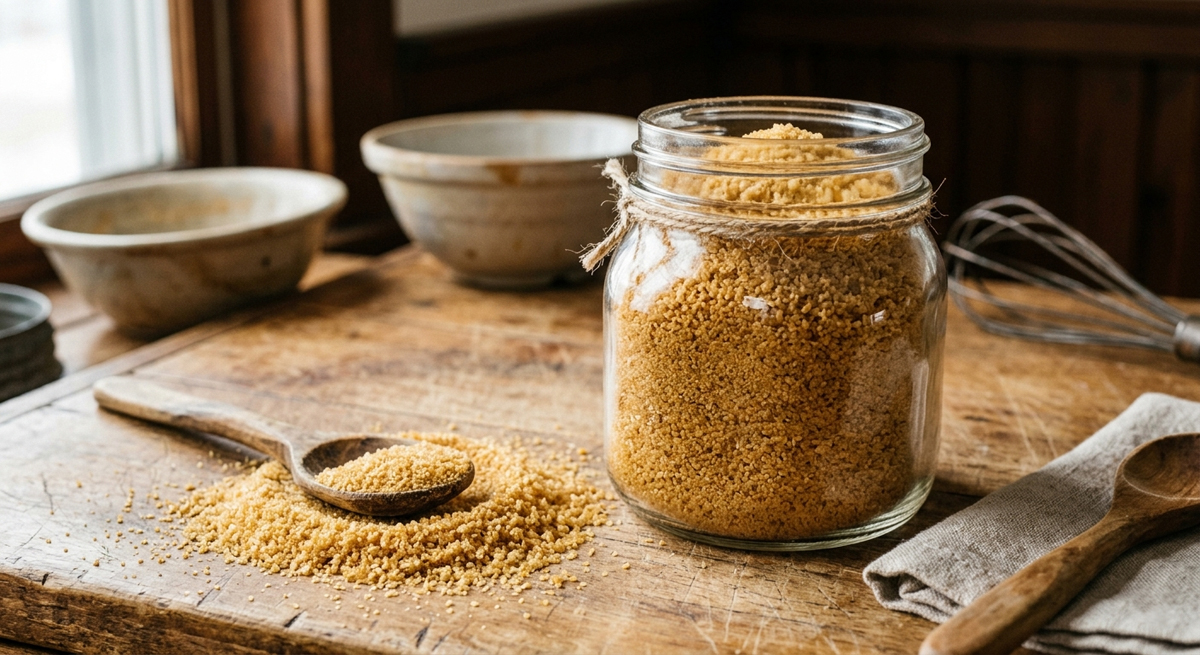
Ditch the store-bought bags and go heritage. 🍁Turning maple syrup into pure, granulated sugar is the ultimate test of patience and a pioneer essential. Shelf-stable, concentrated, and perfect for the “from-scratch” pantry.
Maple Sugar Recipe
What You’ll Need
- Pure Maple Syrup: Use “Grade A Amber” or “Dark” for the best flavor. Avoid “Golden” as its lower mineral content can make crystallization finicky.
- Heavy-Bottomed Pot: The syrup will foam and expand significantly, so use a pot at least four times larger than the volume of syrup you are using.
- Candy Thermometer: Precision is non-negotiable.
- Wooden Spoon: A sturdy one for heavy stirring.
- High-Speed Mixer (Optional): Hand-stirring is traditional, but a stand mixer or hand mixer saves a lot of elbow grease.
Directions:
1. The Boil
Pour your syrup into the pot and bring it to a boil over medium-high heat. Do not stir it during this stage, as stirring too early can cause premature crystallization that leads to a gritty texture.
You are aiming for the Hard Ball Stage. In the world of maple, this is exactly 32°F (18°C) above the boiling point of water.
Precision Note: Since boiling points change with elevation and barometric pressure, boil a cup of plain water first to calibrate your thermometer.
- If water boils at 212°F (100°C) today, your target temperature for the syrup is 244°F (118°C).
2. The Cooling Phase
Once you hit your target temperature, remove the pot from the heat immediately. Let it sit undisturbed until the temperature drops to about 200°F (93°C). This resting period allows the sugar molecules to stabilize before the “granulation” begins.
3. The Granulation (The Workout)
This is where the magic happens. Start stirring the syrup vigorously. You will notice the color begin to lighten from a deep amber to a pale tan. The mixture will grow thick, opaque, and increasingly difficult to stir.
- If stirring by hand: Keep going until the liquid suddenly “snaps” and turns into dry, sandy granules.
- If using a mixer: Use the paddle attachment on low-medium speed. Watch closely; it will look like thick taffy one second and dry sand the next.
4. Sifting and Finishing
Once the sugar has granulated, it may still have a few small lumps. While it is still slightly warm, rub the sugar through a medium-mesh wire sieve. This ensures a consistent, professional-grade “velvet” texture.
Storage and Usage
| Baking | Substitute 1:1 for white sugar to add a complex, toasted caramel profile to cookies or crusts. |
| Coffee/Tea | Unlike syrup, the sugar won’t cool down your drink or change the viscosity. |
| Rub & Seasoning | Excellent as a base for dry rubs on roasted root vegetables or smoked meats. |
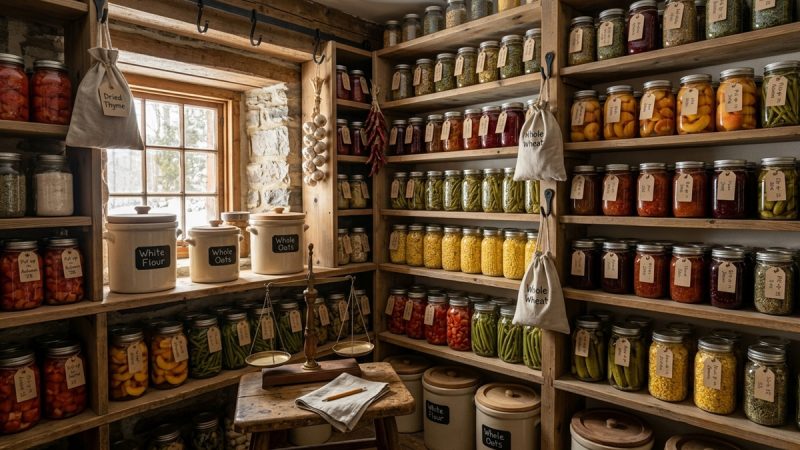
Storage Tip: Store in an airtight glass jar in a cool, dry place. Because maple sugar is 100% stable, it has an almost indefinite shelf life if kept away from moisture.
The Pioneer Perspective: Sugar from The Bush
To the early settlers, making maple sugar wasn’t a gourmet hobby—it was a vital act of independence. In the 18th and 19th centuries, “store-bought” white sugar was an expensive luxury, often imported from the West Indies at a high cost. By contrast, the maple trees on a pioneer’s own woodlot provided a “free” source of sweetness, provided they were willing to put in the labor.
The “Sugar Weather” Ritual
Pioneers looked for the tell-tale signs of spring: freezing nights and thawing days. This was “sugar weather.” Families would move into small shanties in the woods, hauling heavy wooden buckets of sap to a central “boiling down” spot.
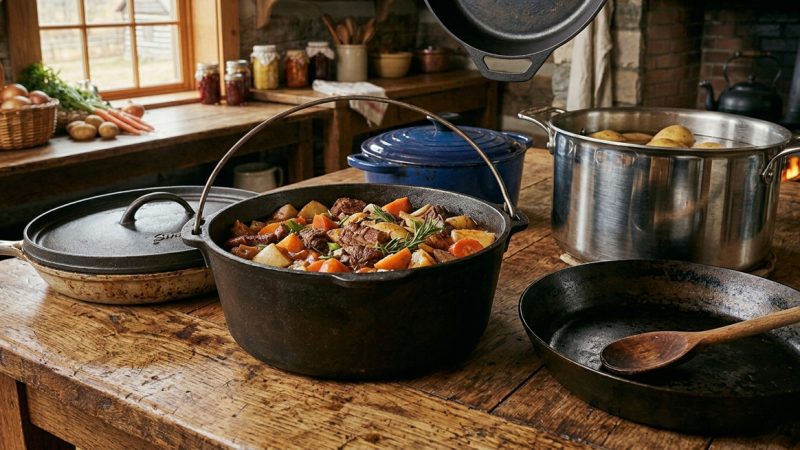
Unlike today’s precise evaporators, pioneers boiled sap in massive cast-iron kettles hung over open log fires. They would boil the sap for days, constantly skimming off foam and debris with hemlock branches.
Why “Grain” Sugar Mattered
While we love liquid syrup today, the pioneer’s goal was almost always solid sugar.
- Storage: Liquid syrup can mold or ferment if not sealed perfectly. Dry maple sugar, packed tightly into wooden “mocsucks” (birch bark containers) or barrels, would stay shelf-stable for the entire year.
- Portability: For those traveling by foot or horseback, carrying a bag of sugar was far more practical than hauling heavy, breakable glass jars of liquid.
The Pioneer View:
A forest of maples is a far better resource than a gold mine. The sugar is pure, the labor is honest, and the reward is sweet enough to last through the leanest winter. — Common sentiment in early homesteading journals.
The Author:
Pioneerthinking.com: Ingredients for a Simple Life. Insights from a seasoned professional rooted in country living, with 28 years of horticulture expertise and over two decades of practical experience in homesteading, natural beauty and cosmetic creations, natural health, cooking and creative living.
Photo. Gemini