Greenhouse Lighting: Essential Tips for Growth
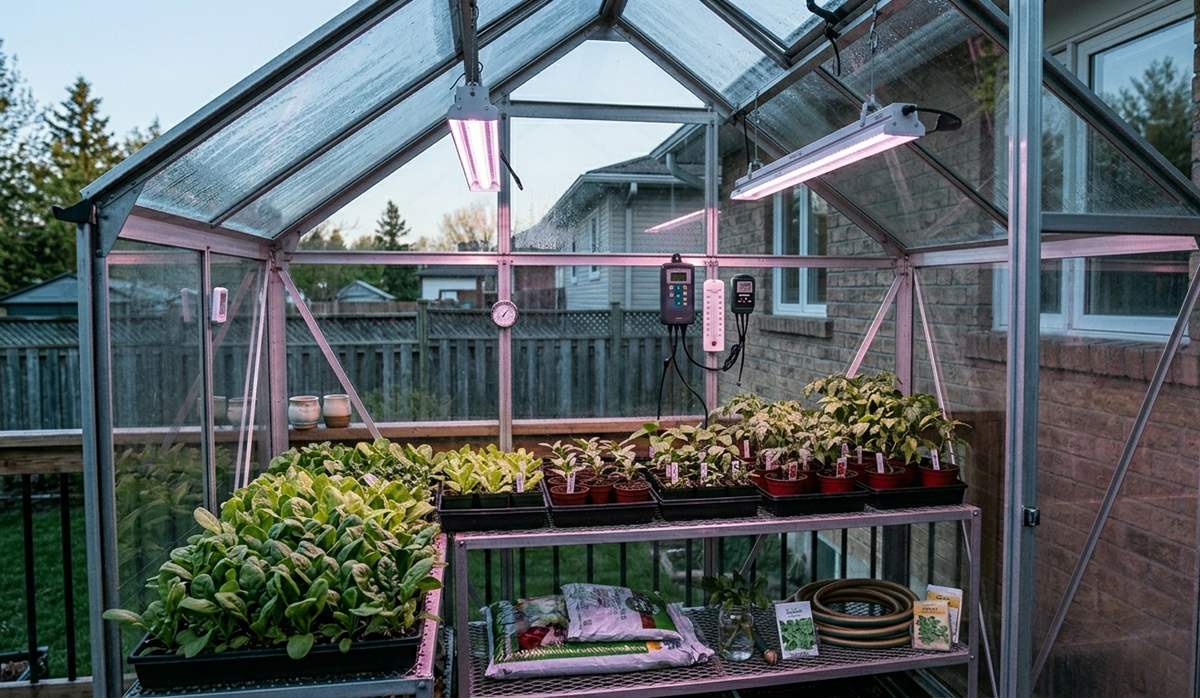
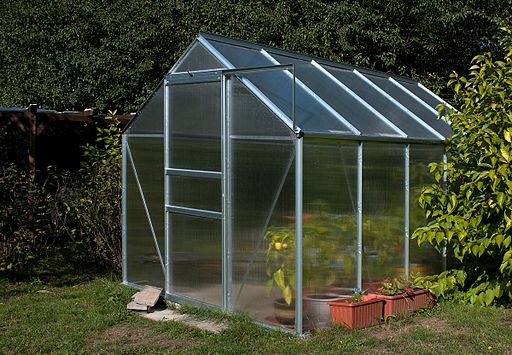
So, you have a home greenhouse—congratulations! There is nothing quite like stepping into your own warm, glass-walled oasis while the weather outside is doing its worst. It feels a bit like magic.
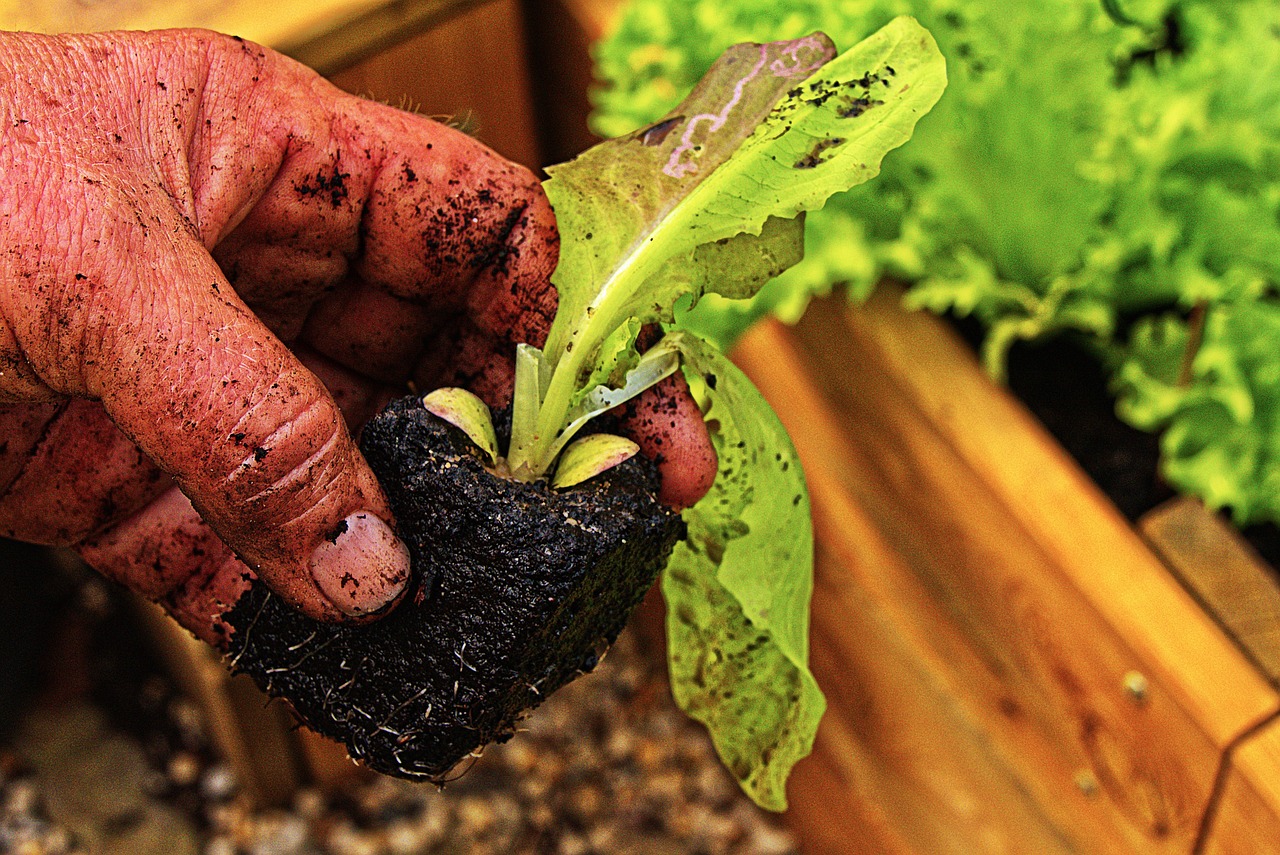
But if you’ve noticed your winter seedlings looking a bit tall, skinny, and fragile (a classic case of what gardeners call “leggy”), or your favorite potted flowers refusing to bloom, you aren’t doing anything wrong. Your greenhouse is just missing one simple thing: enough usable light.
While a greenhouse is excellent at trapping heat, the glass or plastic panels actually reflect and filter out a surprising amount of sunshine. Add in short winter days or a string of gloomy, overcast weeks, and your plants end up on a strict light diet.
Let’s break down how you can easily fix this with a little supplemental lighting, keeping it simple, budget-friendly, and easy to understand.
The “Goldilocks” Spectrum: Blue vs. Red
Humans look at light and see brightness, but plants look at light and see energy colors. They don’t use all sunlight equally. Instead, they are big fans of two specific parts of the rainbow:
- The Blue Light Zone: Think of blue light as the “veggie light.” It tells a plant to stay short, stocky, and bush out with plenty of lush, green leaves. If you are starting tomato seedlings or growing spinach, lettuce, and herbs, blue light is your best friend.
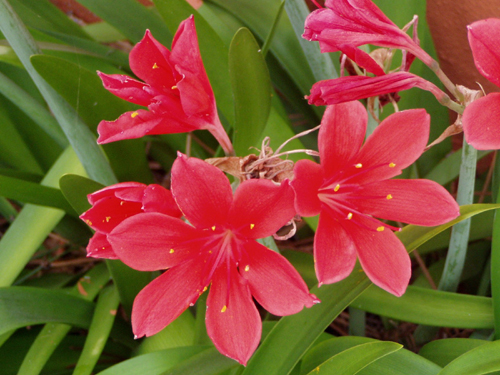
- The Red Light Zone: Think of red light as the “fruit and flower light.” It mimics the lazy, late-summer sun and signals to the plant that it’s time to stretch a bit, pop open flowers, and produce fruit.
What should you buy?
As a home grower, you don’t need to buy separate colored bulbs or over complicate things. Just look for fixtures labeled “Full-Spectrum” or “Broad-Spectrum.” These give off a pleasant, natural white light that contains a healthy mix of both red and blue, keeping your plants happy from tiny seed to final harvest.
Choosing Your Bulbs (Without the Headache)
If you walk into a garden center or browse online, the lighting aisle can feel incredibly overwhelming. Let’s simplify the choices down to what actually works for an everyday backyard greenhouse.
1. LEDs (The Home Champion)
Light Emitting Diodes (LEDs) are the undisputed kings of the modern hobby greenhouse.
- Why they’re great: They use very little electricity, last for a decade or more, and stay cool to the touch. Because they don’t give off intense radiant heat, you don’t have to worry about accidentally burning the leaves if your plants grow too close to the bulb.
- The downside: They cost a bit more upfront, but they save you money on your power bill immediately.
2. T5 Fluorescents (The Budget Starter)
These are the long, skinny tube lights you’ve probably seen in garages or basements, specifically the high-output “T5” versions.
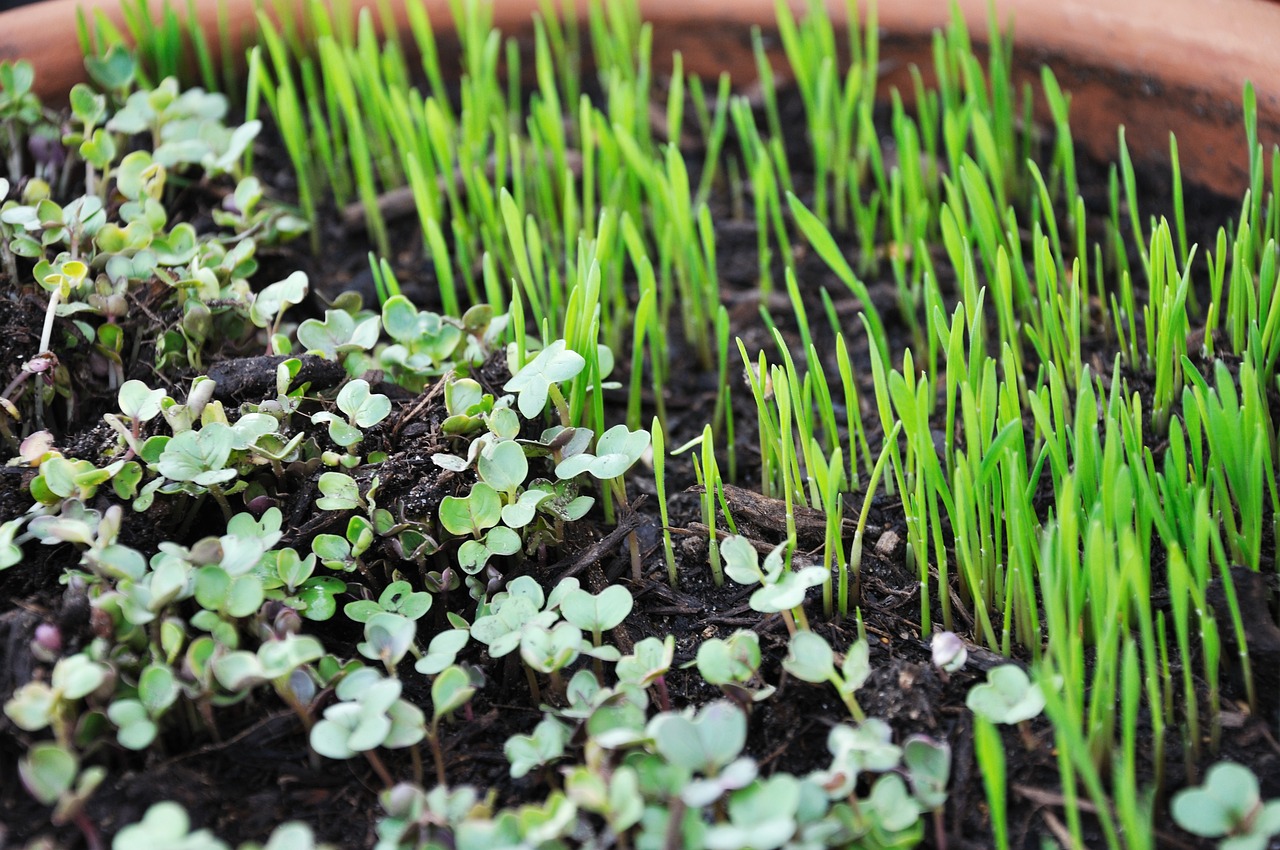
- Why they’re great: They are cheap to buy and perfect for a single shelf of tiny seedlings or microgreens.
- The downside: They aren’t powerful enough to grow big, mature plants like tomatoes, and the bulbs need to be replaced every year or two as they dim.
The Verdict: If you just want to start a few trays of spring seeds, T5 fluorescents are just fine. If you want a flexible system to grow things year-round, invest in a decent full-spectrum LED panel or bar.
3 Rules for Greenhouse Lighting Success
Once you have your lights, setting them up doesn’t require a construction crew. Just keep these three golden rules in mind:
1. Give them a bedtime
Plants need sleep just like we do to process their food and rest. Leaving your grow lights on 24/7 will actually stress them out and stunt their growth. Aim to give your greenhouse 14 to 16 hours of total light a day (combining the natural daytime sun with your artificial lights). Buy a cheap, automatic plug-in timer to turn the lights on in the early morning and off a few hours after sunset.
2. Make them movable
Your plants are going to grow, which means the distance between the leaves and the light will constantly change. Hang your fixtures using adjustable rope clip hangers or simple chains.
- For seedlings: Keep the lights quite close (a few inches for fluorescents, or 12–18 inches for LEDs) so they don’t have to stretch to find the light.
- As they grow: Slowly raise the lights up to keep the canopy happy.
3. Check the “Wetness” Rating
Greenhouses are humid, misty, and damp. A standard living room lamp will short out or rust very quickly out there. When shopping for fixtures, look for terms like “Damp Rated” or “Wet Rated.” This ensures the wires and electronics are sealed up tight against moisture and safe for a greenhouse environment.
By adding just a little bit of artificial sunshine to your setup, you’ll be amazed at how much faster your seeds sprout, how dark green your leaves look, and how much longer your growing season lasts. Happy gardening!
The Author:
Pioneerthinking.com: Ingredients for a Simple Life. Insights from a seasoned professional rooted in country living, with 28 years of horticulture expertise and over two decades of practical experience in homesteading, natural beauty and cosmetic creations, natural health, cooking and creative living.
Photo. Gemini