Ayurvedic Treatment for Dengue Fever

Dengue fever is one of the most severe forms of the viral fever. There are not many causes of dengue fever. It is only caused by a family of viruses that are transmitted to human beings through mosquito bites. The specific striped mosquito, referred as Aedes mosquito, is solely responsible for spreading the dengue fever viruses. These mosquitoes usually breed in the rainy season. They also breed rapidly in stale water such as ponds, pits, and flower pots. These mosquitoes usually bite during the day time only. Almost all of the tropical and semitropical regions are prone dengue fever.
The dengue fever manifests itself in the form of severe vomiting, the appearance of a rash 3-4 days after the affliction, and an ongoing severe headache. After 10 days these symptoms will subside and the negative toxins will begin their retreat. However, it can take up to a month for recovery to be complete and in the interim, the sufferer will still be generally weak and fatigued and still suffer some of the milder symptoms of the initial fever.
Ayurvedic, Natural, Home Remedies for Dengue:
Neem leaves, Neem oil are a great purifying agents and should be applied on a damp, warm cloth in dosages of between 15 to 60 grams, 2-3 times daily. It should be noted that usage should be restricted in both males and females seeking pregnancy.
Drink as much water as you can in order to replace fluid loss. It will also help to bring down body temperature.
Avoid eating solid foods until the fever is gone. You can replace the foods by drinking plenty of distilled water and/or juices.
The leaves of the coriander can be taken in the form of a tonic to reduce the fevers in dengue.
Kakamachi is syrup-like product that can be consumed as a soothing, cooling drink that can expel negative toxins such as those that build up during an attack of dengue from the digestive system, ultimately purify it. A cup twice daily is the recommended dosage.
Fruits rich in vitamin C, like amla (Embelica officinalis), are advised, as vitamin C helps in better absorption of iron.
Chyavanprash can be taken as it is an immunobooster, blood purifier, and increases blood count.
Hogweed is used to bring down temperatures. Hogweed produces plenty of perspiration, which flushes the toxins and brings the fever down.
The seeds of hermal are powdered and taken as either an infusion or as a decoction to treat intermittent and recurrent fever that are observed in dengue.
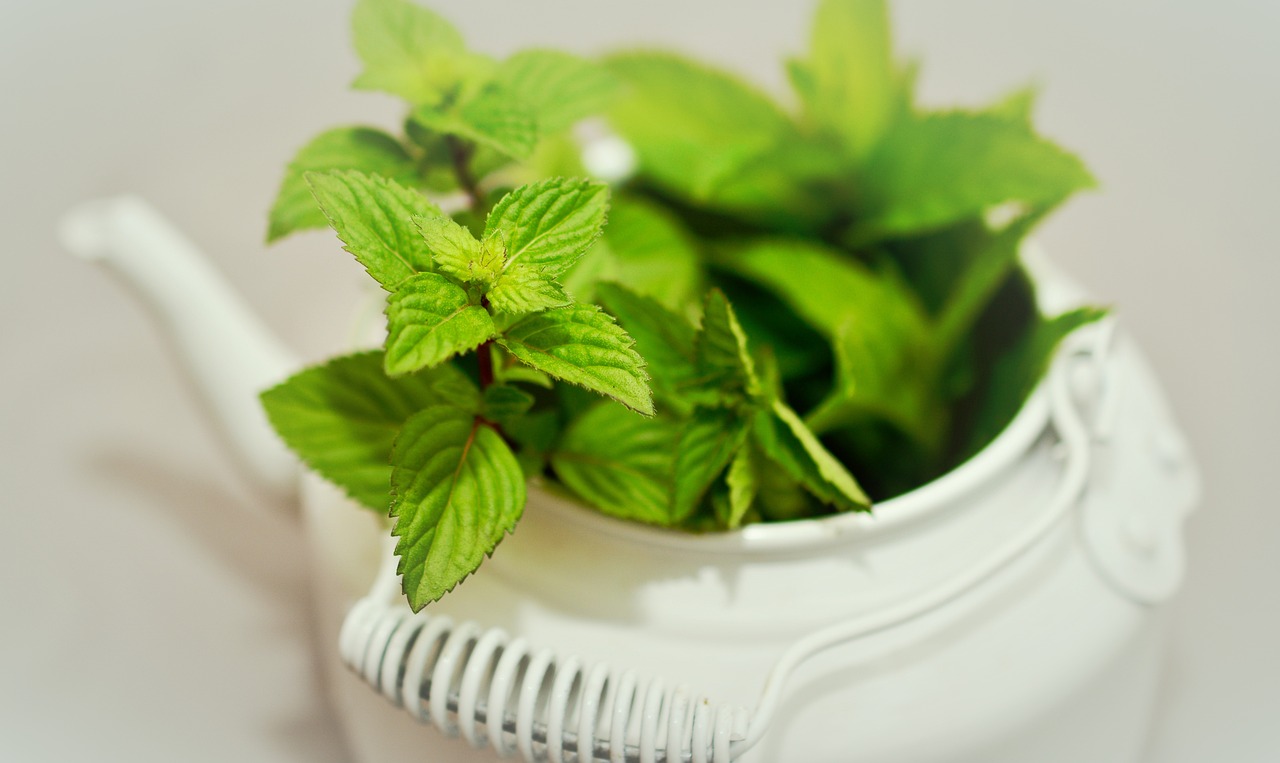
Boiled tulsi (basil leaves) served in a warm drink like tea can help prevent an outbreak of dengue. This bitter and pungent herb has properties that strengthen the internal system against fever.
10-15 basil leaves should be chewed twice a day or these can be boiled in 200ml water on low heat. When half the quantity is left, it can be taken 2-3 times a day. This strengthens the body’s defense mechanism.
Mix 360 mg of Shunthi Churna with 125 mg of Hinguleshwar and now take this mixture at least 4 times daily, you may take with tea or hot water. If the temperature of the patient rises beyond 104°F (40°C), then you may apply cold pad to the forehead untilthe temperature subsides.
Papaya juice is a natural cure for dengue fever. The juice of Papaya leaf is a sure cure for platelete deficiency.
Two raw papaya leaves are pounded, and they are squeezed with a cloth to strain and filter the juice. Usually, one leaf gives one tablespoonful of juice and two tablespoonfuls of p-juice is sufficient for a day. To preserve its strength, the juice should be taken raw, without alteration, boiling, or any additions. No saps nor stems of the papaya leaf should be included; only the leaf should be crushed. The powerful ‘Papain’ enzyme in the papaya leaf has the ability to dissolve proteins and is already used for indigestion and stomach inflammation, while another enzyme from the papaya leaf, ‘Chymopapain’ is used successfully in spinal treatment.
Use ten pieces of Tulasi leaf and one black pepper. This should be the proportion. Grind it and make pea size pills, use it with water.
The root of the cassia tree is used as a tonic for reducing dengue fever.
Chirayata has tremendous medicinal properties in the reduction of fever. It is used for remedying the convulsions that accompany fevers in dengue.
Dhatura is the Ayurvedic version of the belladonna. Its leaves have potency in reducing the seriousness of the dengue fever. However, the dosage must not exceed 2 decigrams, or it will lead to severe adverse symptoms.
An infusion of the Indian mallow is used as an efficacious treatment for reducing the dengue fever.
Fenugreek leaves are taken as herbal tea in order to reduce fever. This drink acts as a soothing and cleansing tea for the human system.
Bloodwort is a traditionally used remedy for all types of fever in Ayurvedic medicine. Bloodwort, when used in the form of a hot infusion, brings out sweat, which expels the toxins from the body and reduces the fever.
Devil’s tree is used for the treatment of recurrent fever, as is seen in dengue. The herb is analogous in function to cinchona and quinine.
To increase the blood count, pomegranate juice or black grape juice should be given.
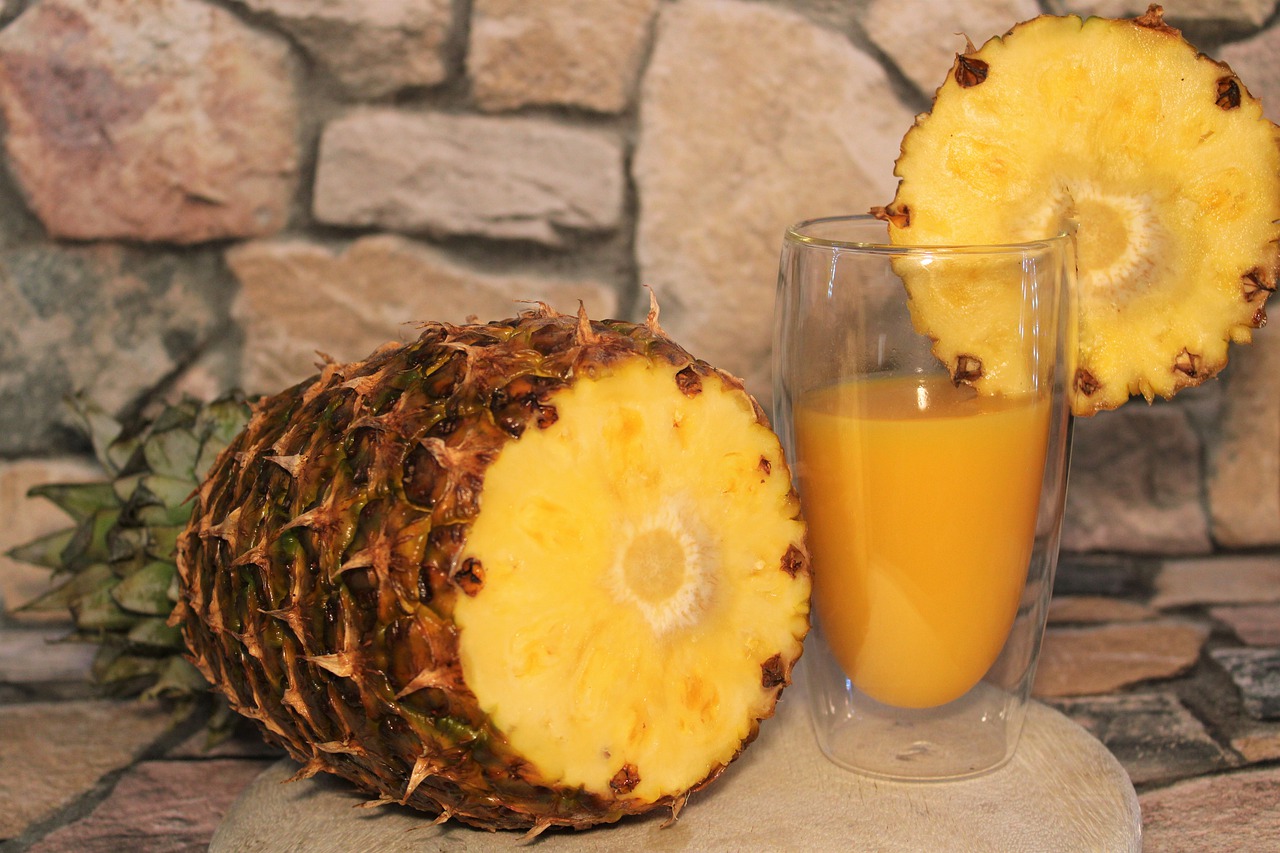
The orange juice helps with digestion, increased urinary output, and promotes antibodies for faster healing and recovery.
The Author:
Babaramdevmedicines_com
Photo. NoName_13