
Birch Bark – A Great Material for Crafting
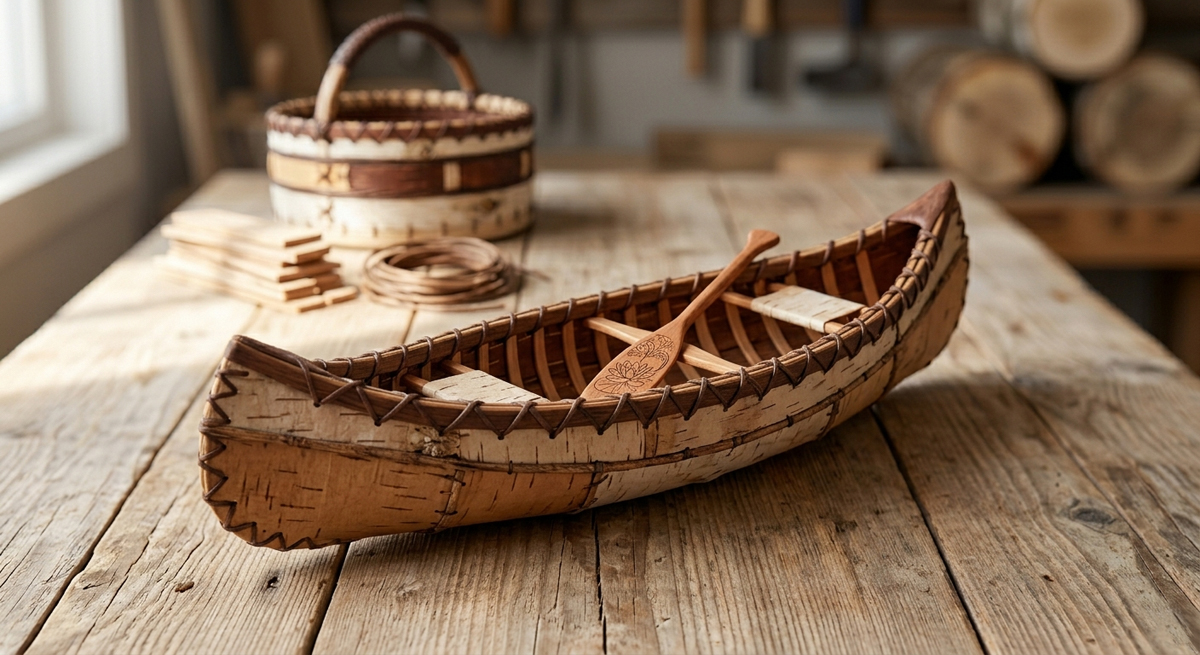
Birch bark is a versatile material for seasonal arts-and-crafts projects.
Here is a partial list of the items which can be made with birch bark:
- Baskets
- Rustic furniture
- Wall and ceiling panels
- Canoes
- Miniature canoes
- Pencil holders
- Lamp shades
- Place mats,
- Sign frames
- Picture and mirror frames
- Mail box covers
- Light switch panel covers
- Waste baskets
- Tissue box holders
- Storage boxes
- Flower pot covers
- Leaf wreaths
You may want to soak or steam the birch bark to make it more flexible prior to using it in your birch bark craft project. This will soften the resin within the bark which has hardened. Several layers of white paper may be peeled away on thick bark to make the remaining sheets easier to cut and fold. The bark can be attached to surfaces with white headed brads and/or wood glue.
Birch is usually available in the northeastern US from mid-May until October.
If you live in a rural area, you may be able to find a supplier who is removing bark from logs which will be used for lumber.
Birch Bark Crafting:
When your rustic decor includes birch bark picture frames you are able to bring nature indoors. Birch covered frames can be made from fallen trees. An inexpensive frame can be purchased and frequently old fallen logs can be stripped to provide plenty of bark. Remove any accompanying debris and insects. The bark should be dry as it will curl while drying. Hot glue and or white headed brads are both useful to attach the bark to the frame. Adding natural elements like twigs, acorns or cones makes for a nice effect.
When putting birch bark on a ceiling or wall it (the bark) should be attached to plywood and then the plywood is attached to the wall.
Circular birch containers can be made by sewing bark pieces together. Loose material can be removed from the bark and the bark can be rolled with he ‘outside’ inside if you like. Use a sharpened nail or awl to make holes for stitching material (cordage or rawhide). The end or lid should be made from seasoned wood to avoid subsequent shrinking.
Thorns can be used in lieu of nails to attach the bottom. A handle can be attached to the lid.
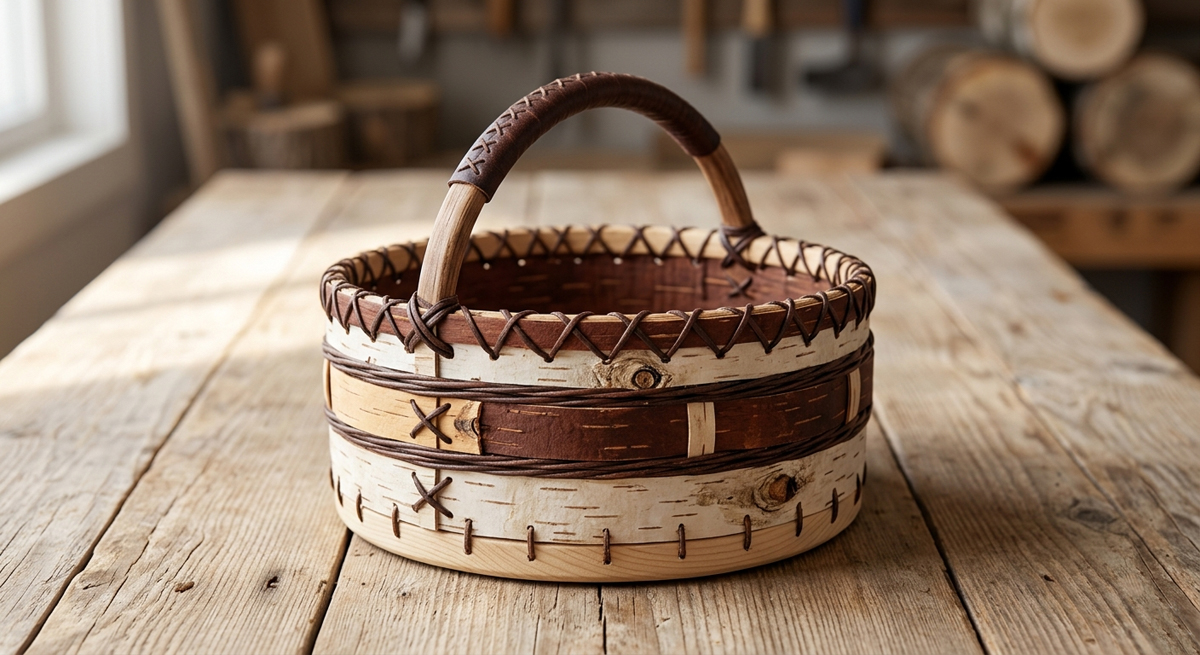
If you decide to make a birch bark basket you will need the following:
- birch bark
- ruler
- pencil
- needle
- thread
- pins or staples.
Steps:
- Soak bark in water.
- Trim to shape. Place on table and mark from corners so that they will overlap.
- (A good idea is to practice with a sheet of paper)
- You can then sew, staple or pin the sides together at each corner.
- An awl or sharpened nail works well to make needle holes if sewing.
The Author:
Skip Endres explores country crafting and decorating indoors and out with seasonal materials. He owns Country Craft Supplies.
Source: EA
Pioneer Uses for Birch Bark
by pioneerthinking.com
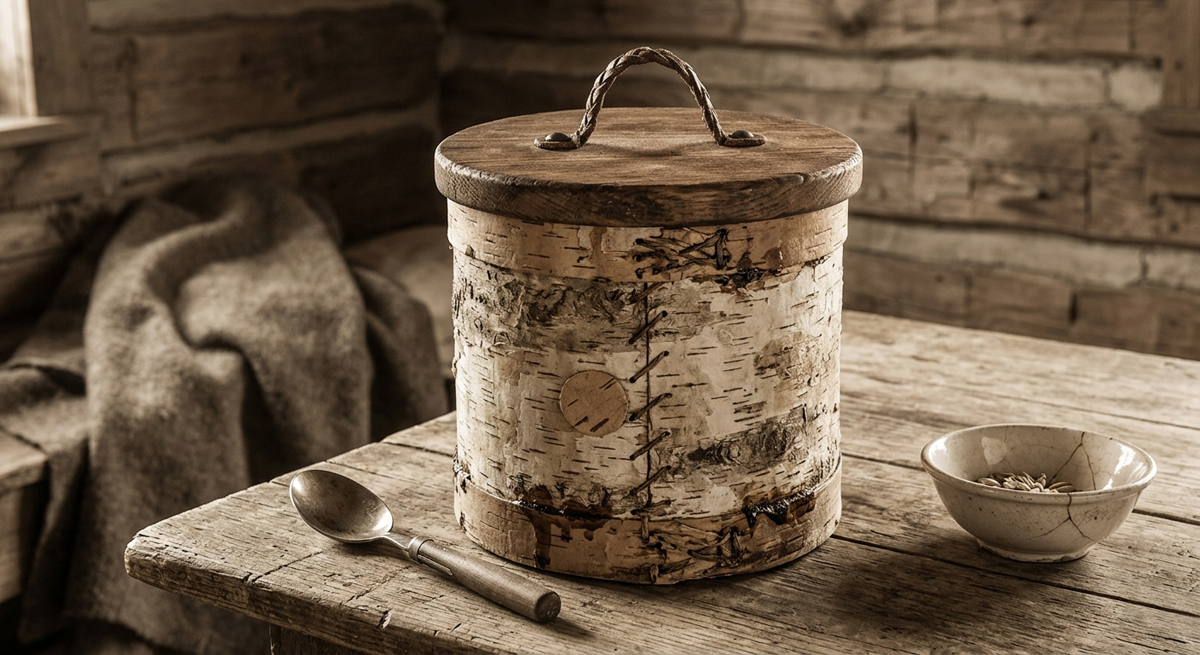
In early settlement history, birch bark was prized not just for its beauty, but for its natural resin content, which made it waterproof and resistant to decay. While modern crafters use it for decor, pioneers relied on it as a critical resource for survival and daily utility.
-
Fire Starting: Because birch bark contains flammable oils (betulin), it burns even when wet. Pioneers kept strips of it as a reliable tinder for starting hearth fires or campfires in damp conditions.
-
Waterproof Roofing: Before milled shingles were common, large sheets of birch bark were often used as an underlayment for roofing. Its natural water-shedding properties helped keep sod houses and early cabins dry.
-
Food Storage: Pioneers utilized the bark’s natural preservative qualities to create canisters for flour, salt, and dried berries. The bark helped prevent mold and kept insects at bay.
-
Emergency Repairs: Strips of bark served as makeshift bandages or “casts” for broken tools. When boiled, the bark became pliable enough to wrap around a cracked wooden handle, hardening as it cooled to provide a sturdy splint.
-
Canoe Building and Patching: Following indigenous traditions, settlers used birch bark for lightweight travel. They also used the resin—often mixed with charcoal and fat—to create a waterproof “pitch” for sealing seams in various wooden vessels.



I have questions regarding using birch bark pieces on a south facing exterior door that will have a storm/screen door in front of it.
The perfect drinks would be h2o, tea, or espresso.