Drying Lavender
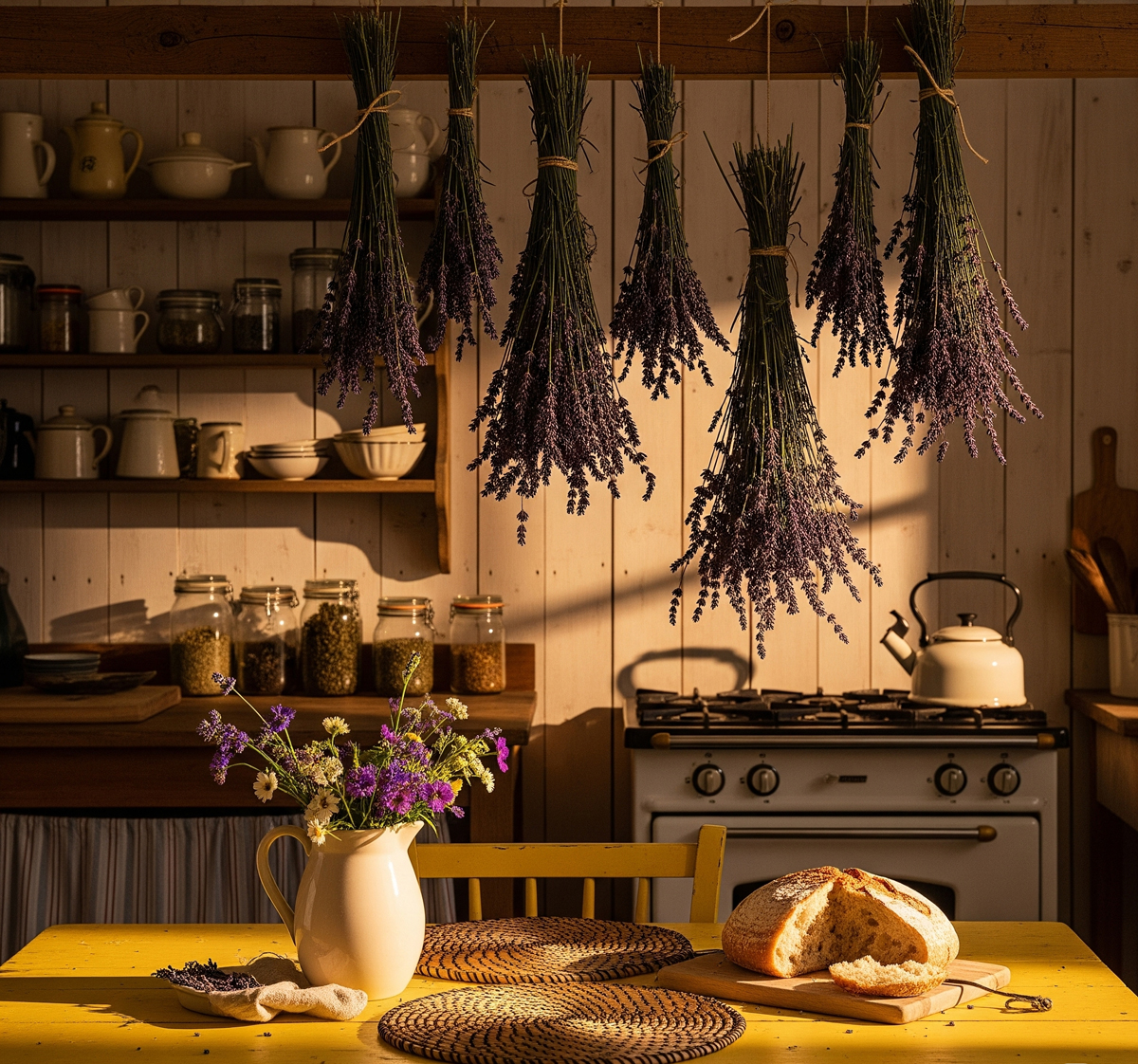
Lavender is the crowning jewel of the heritage garden, but its true value is realized only after the harvest. For the knitter, the herbalist, and the “from-scratch” cook, a properly dried bundle of lavender is a versatile staple that bridges the gap between the summer sun and the winter hearth.
To capture the highest concentration of essential oils and that iconic deep violet hue, we must move beyond simple air-drying and embrace the traditional techniques of the apothecary.
1. The Window of Opportunity: When to Cut
The most common mistake is waiting for the lavender to be in “full bloom.” By the time the tiny flowers have opened at the top of the spike, the essential oils are already beginning to dissipate.
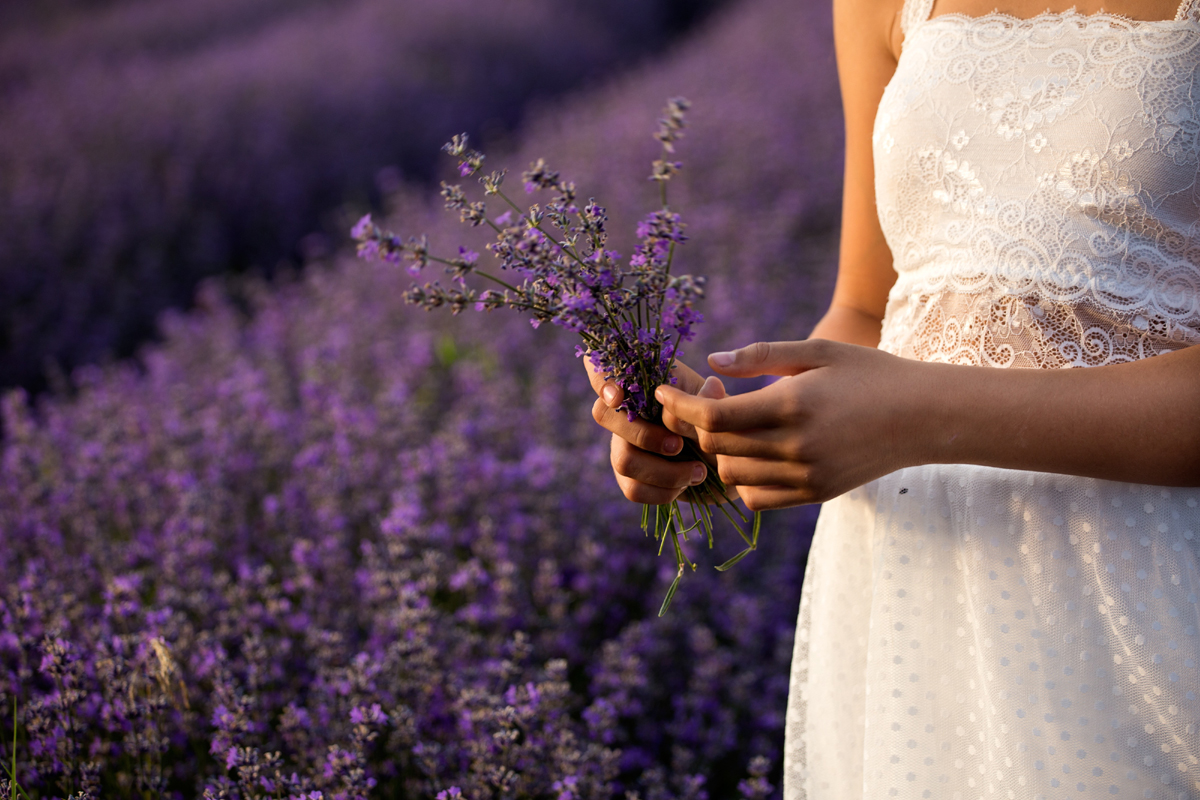
For the most potent scent and best color retention, harvest when the buds are plump and vibrant, but only the bottom one or two blossoms have opened. This ensures the “fragrance oil” remains trapped inside the buds. Always cut your lavender in the mid-morning, once the dew has evaporated but before the heat of the afternoon sun draws the oils out of the plant.
2. The Dark-Dry Method: Preserving the Essence
Light is the enemy of the harvest. UV rays will bleach the purple from your stems and turn your potent apothecary herb into gray, scentless straw.
-
The Bundle: Gather approximately 20–30 stems and secure them with a natural twine or a rubber band. A rubber band is a professional secret; as the stems dry and shrink, the band will maintain its grip, whereas twine can often slip.
-
The Suspension: Hang your bundles upside down. This allows the remaining oils to flow from the stems into the flower heads.
-
The Environment: Your drying space must be dark, dry, and well-ventilated. An attic, a dark pantry, or even a perforated paper bag can serve as a makeshift drying chamber. Air circulation is vital to prevent mold, especially in humid climates.
3. Traditional Uses for the Heritage Home
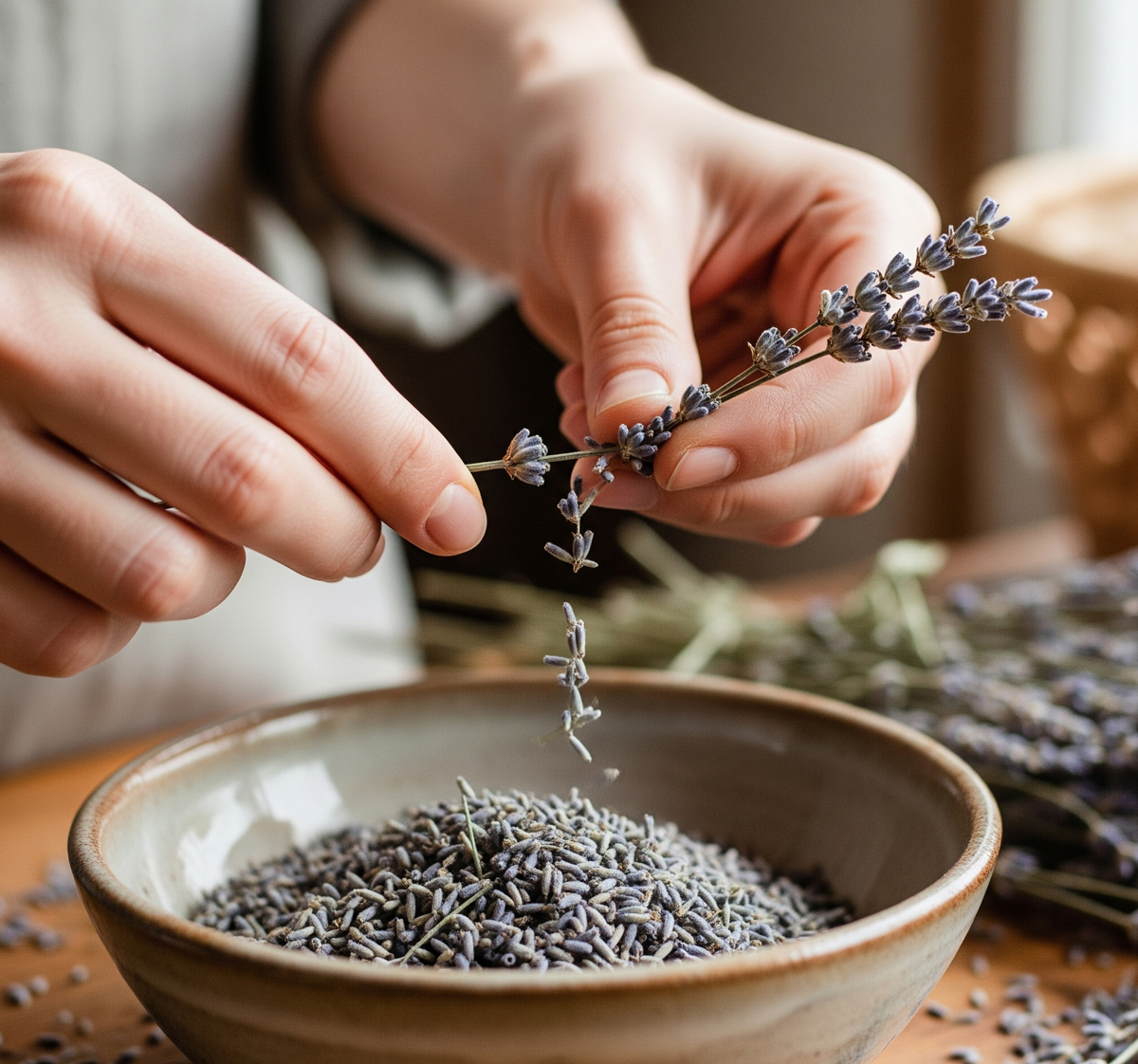
Once the stems “snap” cleanly (usually after 2–4 weeks), your lavender is ready to be moved into the home:
-
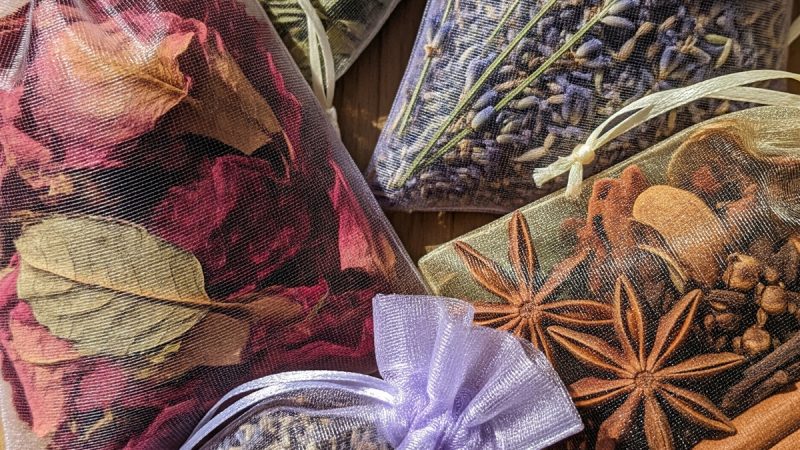
In the Wardrobe: Tuck dried bundles or loose buds into drawers to protect your hand-knitted woolens. Lavender is a time-tested natural deterrent for moths.
-
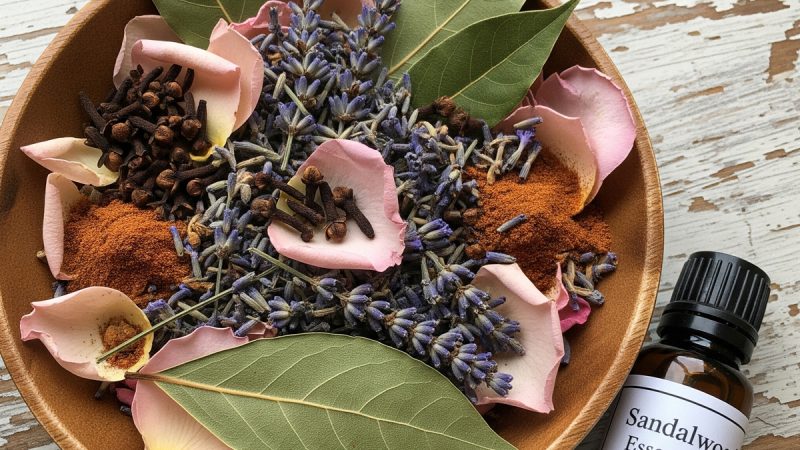
In the Apothecary: Infuse the dried buds into carrier oils for medicinal salves or create “from-scratch” sleep pillows to encourage a restful “Pioneer Pace.”
-
In the Kitchen: Use culinary varieties (like Lavandula angustifolia) to infuse honey or add a floral note to heritage shortbread recipes.
The Pioneer View: The Scent of Patience
“In the garden, we learn that nature cannot be rushed. Drying lavender is a lesson in patience—a slow transition from the vibrant life of the summer field to the concentrated wisdom of the winter jar. When we hang these bundles, we are not just preserving a scent; we are practicing the art of stewardship, ensuring that the peace of the garden remains with us through the darkest months of the year. It is a simple, honest way to bottle the sunlight for the seasons to come.”
The Author:
Pioneerthinking.com: Ingredients for a Simple Life. Insights from a seasoned professional rooted in country living, with 28 years of horticulture expertise and over two decades of practical experience in homesteading, natural beauty, natural health, and creative living.
Photo. Gemini