Handcrafted Heritage: Meaningful Gifts from the Heart of the Home
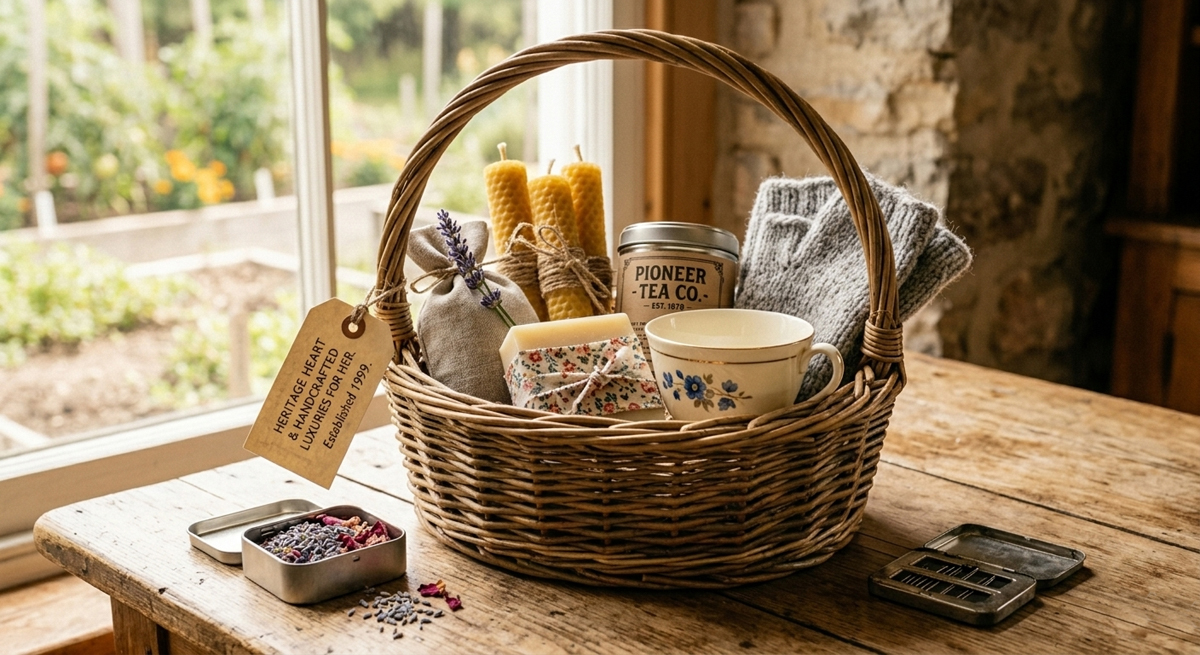
In a world of mass-produced goods, a handmade gift is a rare luxury. It carries the scent of the garden, the warmth of the hearth, and the most precious commodity of all: time. Creating “Easy Gifts” doesn’t mean they are simple in value; it means they utilize the natural abundance already found in your larder and garden.
Whether you are preparing for a birthday or a seasonal celebration, these gifts bridge the gap between Natural Beauty and the Simple Life.
1. The Botanical Apothecary: Infused Spa Gifts
Utilize your garden’s harvest to create spa-quality treatments that nourish the skin without synthetic chemicals.
Garden Petal Bath Soak
To create a well-balanced bath soak that has a professional feel—moisturizing without being overly greasy—you can use the following proportions. This recipe yields approximately 2 cups, which fits perfectly into a standard pint-sized mason jar.
Ingredients:
-
1 ½ cups Epsom salts
-
½ cup Dried flower petals (Rose or Calendula)
-
1 tablespoon Jojoba oil
-
1 tablespoon Sweet almond oil
-
Optional: 5–8 drops of lavender or geranium essential oil for added scent.
Directions:
-
In a large glass bowl, combine the Epsom salts and dried petals. Stir gently to ensure the petals are distributed evenly throughout the salts.
-
In a small separate bowl, whisk the jojoba and almond oils together.
-
Drizzle the oil blend over the salt mixture. Toss thoroughly with a spoon or whisk until the salts are evenly coated. The salt should look slightly damp but not sit in a pool of oil.
-
Transfer the mixture to an airtight glass jar.
Usage Tip: For the best experience, suggest that the recipient uses a small muslin tea bag for the soak. This allows the oils and minerals to infuse the water while keeping the petals contained for easy cleanup afterward.
Vanilla Milk & Honey Bath Soak
To ensure this soak dissolves beautifully and remains shelf-stable, it is best to mix the liquid honey thoroughly with the milk powder to create a “crumble” texture that won’t clump into a solid brick.
Ingredients:
-
2 cups Full-fat powdered milk (Goat or cow’s milk)
-
¼ cup Powdered honey (or 2 tablespoons local liquid honey)
-
1 whole Vanilla bean, split and scraped
-
½ cup Epsom salts (optional, for added relaxation)
-
Optional: 5 drops of vanilla oleoresin for a deeper aroma
Directions:
-
Use a sharp knife to split the vanilla bean lengthwise. Scrape out the seeds (the “caviar”) and set them aside. Cut the remaining pod into 1-inch pieces.
-
In a large bowl, whisk together the powdered milk, honey powder, and Epsom salts.
-
Add the vanilla seeds to the powder. Use a whisk or a fork to “rub” the seeds into the powder to prevent clumping and distribute the scent.
-
If using liquid honey, drizzle it slowly into the milk powder while whisking constantly. You want to achieve a texture like damp sand. Sift it through a coarse mesh strainer if large clumps form.
-
Pour the mixture into a clean glass mason jar. Tuck the pieces of the split vanilla pod into the powder or layer them at the bottom for a beautiful heritage aesthetic.
Usage Tip
The milk proteins and fats are wonderful for softening skin, but they can make the tub a bit slippery. Suggest using about ½ cup per bath and rinsing the tub afterward to remove any natural milk residue.
Gardeners’ Heritage Hand Salve
Ingredients:
-
1 cup Extra virgin olive oil
-
½ cup Dried lavender buds
-
½ cup Dried calendula petals
-
1 oz (approx. 2 tablespoons) Beeswax pellets or grated beeswax
-
Optional: 10 drops of lavender essential oil (for a stronger scent)
-
Optional: 2–3 drops of Vitamin E oil (to extend shelf life)
Directions:
Step 1: The Four-Week Infusion
-
Place the dried lavender and calendula into a clean, dry quart-sized glass jar.
-
Pour the olive oil over the herbs, ensuring they are completely submerged.
-
Seal the jar and place it in a warm, sunny windowsill. Shake the jar gently every few days to help the infusion process.
-
After four weeks, strain the oil through a fine-mesh sieve or cheesecloth into a clean bowl. Squeeze the herbs tightly to extract every drop of the infused oil.
Step 2: Creating the Salve
-
Create a simple double boiler by placing a glass heat-proof bowl over a pot of simmering water. Pour the infused oil and the beeswax into the bowl.
-
Stir occasionally until the beeswax has completely melted into the oil.
-
Dip a cold metal spoon into the mixture, let it sit for a minute, and check the firmness. If you prefer a harder salve, add a pinch more beeswax; for a softer cream, add a splash more oil.
-
Remove from heat. Stir in the Vitamin E and essential oils if using.
-
Carefully pour the liquid into small tins or glass jars. Let them sit undisturbed for 1–2 hours until completely solid before capping.
Usage Tip
For the best results on “gardener’s hands,” apply a generous layer immediately after washing up while the skin is still slightly damp. This helps the olive oil and beeswax lock in moisture more effectively.
2. The Aromatic Home: Scenting the Seasons
Move away from synthetic candles and toward the clean, crisp scents of the frontier.
-
Hand-Dipped Beeswax Candles: There is a rhythmic peace in dipping candles. A bundle of these, tied with a simple linen ribbon, provides a warm, honey-scented glow that modern paraffin cannot match.
-
Old World Aromatic Sachets: Use scraps of linen or cotton to sew small pillows filled with “Floral Garden” or “Golden Bloom” herb blends. These are perfect for tucking into cedar chests or linen closets to keep fabrics fresh.
-
Dried Apple & Herb Garlands: A beautiful, rustic kitchen decoration. Use your dehydrator to dry thin apple slices and bay leaves, threading them together for a gift that smells like a harvest kitchen.
3. The Sustainable Kitchen: Practical Elegance
For the woman who loves her “Heritage Kitchen,” give gifts that replace disposables with durable, beautiful alternatives.
-
Beeswax Fabric Wraps: A simple project using cotton fabric and melted beeswax. These replace plastic wrap and become more beautiful with age and use.
-
Artisan Herbal Mustards: A small jar of homemade mustard infused with garden thyme or rosemary is a gourmet addition to any pantry.
Historical Roots: The Gift of “Self-Reliance”
Traditionally, gift-giving was an exchange of skills. One neighbor might give a jar of heritage fruit butter, while another gave a hand-knit pair of wool socks. These gifts were prized because they represented the Self-Reliance of the community. When you make a gift today, you are participating in that same 19th-century spirit of “making do” with excellence.
The Pioneer Mindset
The best gifts aren’t about the price tag; they are about the ingredients. By choosing high-quality beeswax, home-grown herbs, and glass packaging, you are giving a gift that is sustainable, healthy, and deeply personal.
Expert Tips for Gift Packaging:
-
Reuse and Reclaim: Use brown butcher paper, twine, and a sprig of fresh cedar or rosemary from your garden instead of plastic wrapping paper.
-
The Handwritten Tag: Always include a small card explaining the ingredients. For a beauty product, note the “Horticulture Source” (e.g., “Lavender harvested from the north garden bed, July 2025”).
-
Batch Processing: Many of these items, like the bath salts or sachets, are easier to make in large batches. Spend one afternoon in the “Heritage Kitchen” and you’ll have a larder full of gifts ready for the entire year.
Historical Roots: Gifts of the Frontier
On the frontier, “buying” a gift was a rare event, usually reserved for a trip to a distant “General Store” or the arrival of a peddler’s wagon. Most gifts, however, were “made” over long winter evenings by the hearth.
What Pioneers Would “Make”
-
The Hand-Carved “Niddy-Noddy”: For a woman who spent her days spinning wool, a beautifully carved wooden tool for measuring yarn was a prized gift. It turned a daily chore into a moment of grace.
-
The “Carved Utility”: If you have woodworking skills, a hand-turned wooden “Darning Egg” or a simple “Spoon” is a direct link to the hand-carved gifts of 150 years ago
-
Scented Tallow Soap: While plain lye soap was for laundry, a man or child might “make” a special batch of soap for the woman of the house by triple-rendering the tallow and scenting it with wild peppermint or rose-geranium from the window garden.
-
Hand-Knit “Hand-Warmers”: Since women often had to work in drafty kitchens or cold dairies, a pair of fine-knit fingerless mitts made from the softest under-fur of a rabbit or fine wool was a gift of pure comfort.
-
A “Work-Basket” or “Bride’s Box”: Men would often steam-bend thin strips of ash or oak to create beautiful, round pantry boxes or sewing baskets, often painted with traditional folk-art motifs.
What Pioneers Would “Buy” (The Luxury Trade)
When a pioneer man wanted to truly honor a woman, he would save for “Store-Bought” treasures that couldn’t be produced on the homestead:
-
The Tin of “Fancy” Tea: A small, decorative tin of black tea from the East was a high luxury. It represented a quiet moment of civilization in a rugged landscape.
- The “Tea Ritual”: Pair your homemade herbal tea blend with a vintage, mismatched china teacup found at a second-hand shop—mimicking the “luxury” of a pioneer tea tin.
-
A Length of Calico or Silk Ribbon: While homespun wool was practical, a few yards of brightly patterned calico or a single silk ribbon for a Sunday bonnet was a deeply romantic gesture.
- The “Modern Calico”: Instead of a plastic-wrapped gift, wrap your homemade salve in a beautiful remnant of floral cotton fabric that can be reused as a neckerchief or a bowl cover.
-
Steel Sewing Needles: These were precious. Losing a needle was a disaster, so a packet of high-quality English steel needles was a gift of immense practical value.
-
A Folding “Fan” or a Tortoise-Shell Comb: For the rare social gathering or “Box Social,” these small feminine luxuries reminded a woman of her life before the trail..
The Author:
Pioneerthinking.com – Ingredients for a Simple Life. Refining the art of natural living since 1999. Backed by 28 years of horticulture expertise and a lifetime of practical experience in natural health and self-sufficiency.
Photo. Gemini