Guide to Dehydrating Sweet Potatoes: Storage, Rehydration, and Uses
Sweet potatoes are an incredibly nutritious and versatile food that can be used in many recipes. However, they have a relatively short shelf life, which means they need to be stored correctly to last longer. Dehydrating sweet potatoes is an excellent way to extend their shelf life and preserve their nutrients. In this guide, we will teach you how to dehydrate sweet potatoes, store them, rehydrate them, and suggest some delicious uses for them.
Step 1: Preparing The Sweet Potatoes
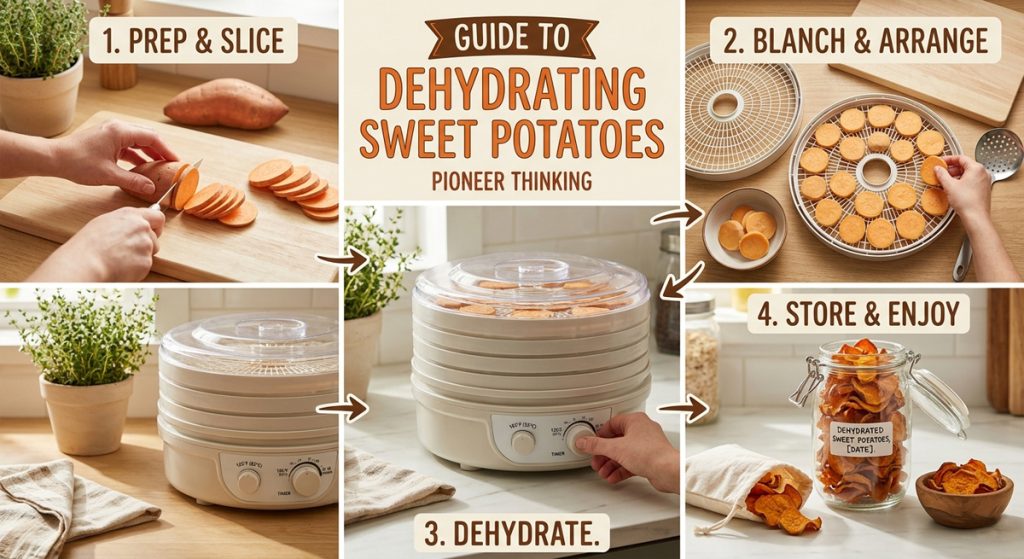
The first step in dehydrating sweet potatoes is to wash them thoroughly and peel them. Once peeled, slice them into thin rounds or strips using a sharp knife or mandolin. The thinner the slices, the faster they will dehydrate.
Step 2: Blanching The Sweet Potatoes
Blanching is an essential step in the dehydrating process as it helps to stop the enzyme action that causes browning and loss of nutrients. To blanch sweet potatoes, bring a pot of water to boiling point, and add the sweet potato slices. Boil them for 2-3 minutes, then remove them from the boiling water and place them in a bowl of ice water for another 2-3 minutes.
Step 3: Dehydrating The Sweet Potatoes
Once the sweet potato slices have been blanched and cooled, arrange them in a single layer on the dehydrator trays. Set the dehydrator temperature to 135°F (57°C) and let them dehydrate for 6-12 hours, depending on the thickness of the slices. The sweet potato slices should be crispy and brittle when fully dehydrated.
Step 4: Storing The Dehydrated Sweet Potatoes
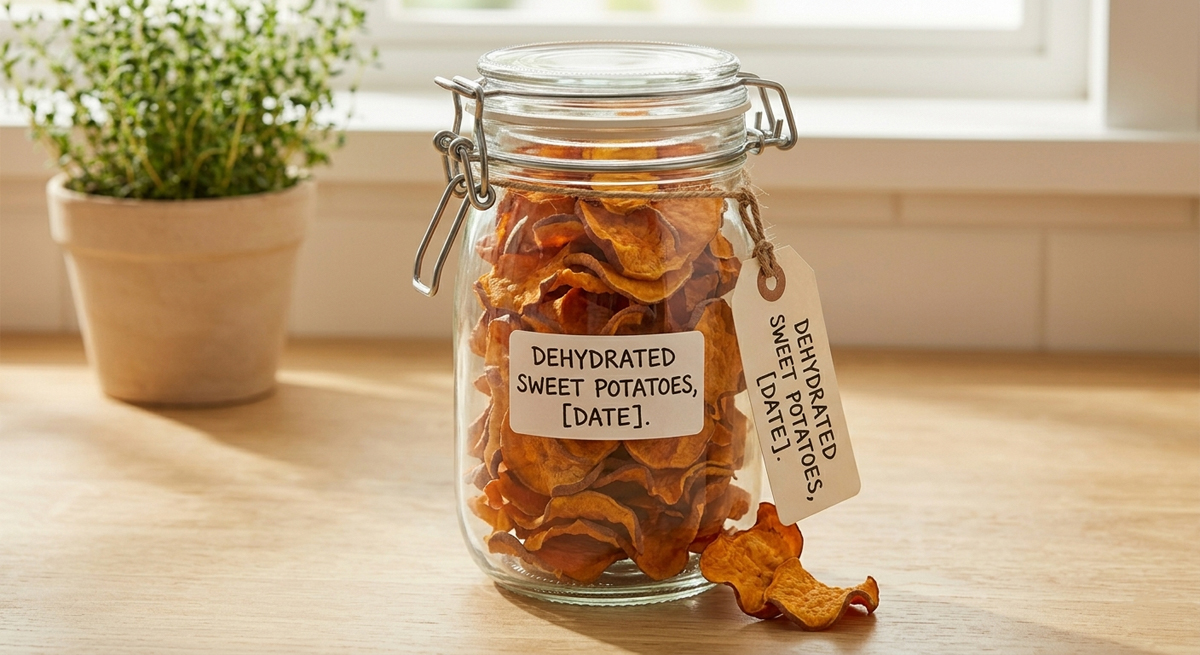
Once the sweet potato slices are completely dehydrated, remove them from the dehydrator and let them cool to room temperature before storing them in an airtight container. Store them in a cool, dry place, away from direct sunlight. Properly stored dehydrated sweet potatoes can last up to one year.
Step 5: Rehydrating The Sweet Potatoes
To rehydrate sweet potatoes, soak them in warm water for 30 minutes until they have plumped up to their original size. Drain any excess water and use them immediately in your recipe.
Uses for Dehydrated Sweet Potatoes
Dehydrated sweet potatoes are perfect for adding to soups, stews, and casseroles. They can also be ground into flour and used as a gluten-free alternative in baked goods. Here are some delicious ways to incorporate dehydrated sweet potatoes into your meals:
1. Sweet Potato Chips: Simply sprinkle dehydrated sweet potato slices with your favorite seasoning and bake them in the oven until crispy.
2. Sweet Potato Noodles: Soak dehydrated sweet potato slices in warm water until plump, then use a spiralizer to create sweet potato noodles.
3. Sweet Potato Puree: Blend re-hydrated sweet potato slices with a little liquid (such as stock or milk) to create a thick puree. This is a great side dish for any meal.
Dehydrating sweet potatoes is a fantastic way to preserve them for long-term storage and retain their valuable nutrients. By following these easy steps, you’ll be able to dehydrate, store, and rehydrate sweet potatoes like a pro. And with so many delicious ways to use them, you’ll never run out of ideas for incorporating this superfood into your meals.
Pioneer View: The Art of Preservation
Dehydrating sweet potatoes isn’t just a kitchen task; it’s a bridge to a more self-reliant way of living. In an era of instant gratification, there is something profoundly grounding about the slow, steady process of pulling moisture from the earth’s bounty to ensure your pantry is stocked for the months ahead.
From a pioneer perspective, dehydration was—and is—the ultimate insurance policy. It turns a bulky, perishable root vegetable into a lightweight, nutrient-dense powerhouse that requires no electricity to store. Whether you are prepping for a long hiking trip, building an emergency food supply, or simply trying to reduce food waste, these orange discs represent a commitment to “waste not, want not.”
Why This Matters Today
- Flavor Concentration: As the water leaves, the natural sugars in the sweet potato intensify, creating a snack that is naturally sweeter and more complex than anything you’ll find in a foil bag at the store.
- Pantry Sovereignty: Taking control of your food preservation means you know exactly what’s in your snacks—no preservatives, no industrial seed oils, and no hidden “natural” flavors.
- Modern Versatility: While the pioneers might have tossed these into a winter stew to rehydrate, today’s “modern pioneer” can enjoy them as a crispy chip, a base for healthy nachos, or even ground into a powder for nutrient-rich baking.
Pro Tip from the Homestead: If you find your slices are a bit too “chewy” rather than “crispy,” try slicing them even thinner (around 1/8 inch) or increasing your drying time by another hour. Every kitchen’s humidity is different—trust your senses over the timer!
>>Heavenly Sweet Potato Pie Recipe
The Author:
Pioneerthinking.com: Ingredients for a Simple Life. Insights from a seasoned professional rooted in country living, with 28 years of horticulture expertise and over two decades of practical experience in homesteading, natural beauty and cosmetic creations, natural health, cooking and creative living.
Photo. Gemini