Important Techniques When Fishing Bass
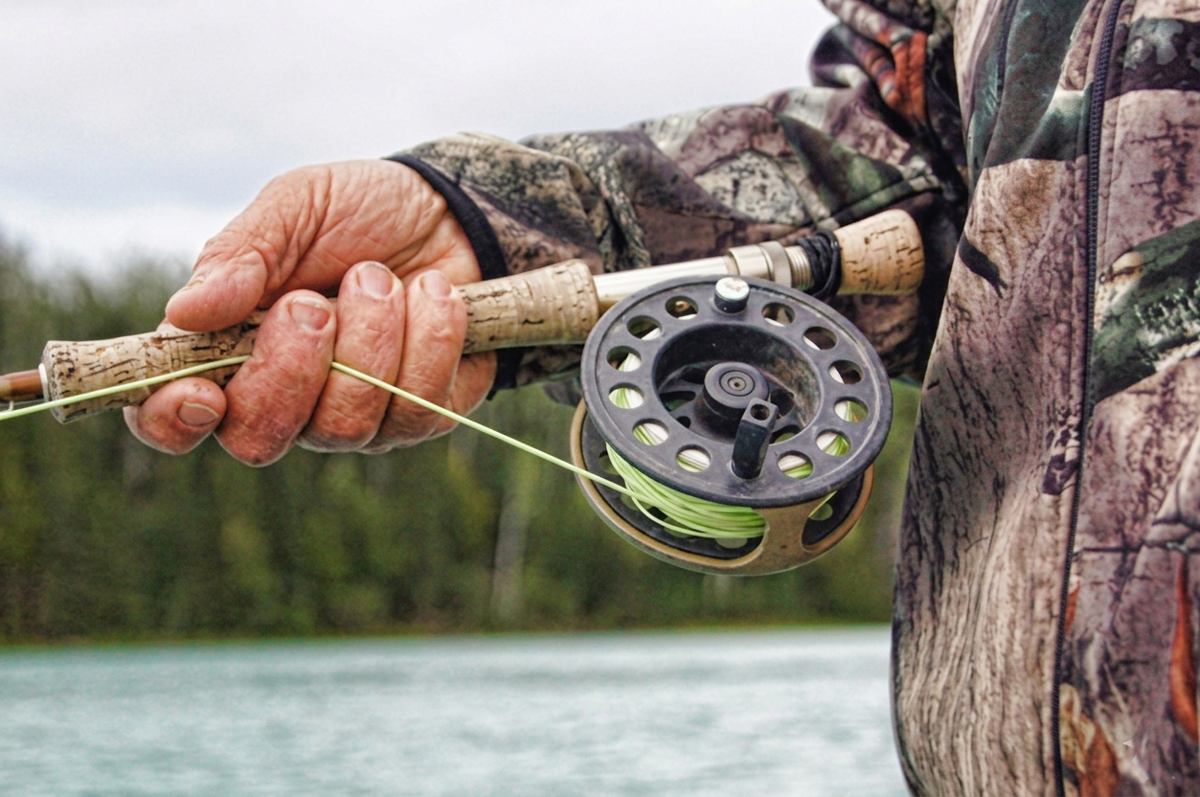
Cast the lure out and wait for it to settle on the bottom. Work or reel it very slow. Cast the lure on the edge of the lily pads so it cranks down the drop off on the first part of your retrieve. Different colors work in different lakes during different light conditions. Casting or flipping for bass often yield good results, but for the beginner, trolling is likely to be much more successful. This involves letting your bouquet of baits into the water from the stern of your boat and towing it along till there’s a bite.
Artificial flies can be used for fly fishing bait. Jigs are used to help attract fish through their vertical movements. Artificial baits such a spinners, jigs, beetle spins, plastic worms, and surface lures are deadly. Yellow, purple, and black are the preferred colors.
Cold mornings and evenings have put the bass on the beds. The month of December should offer excellent trophy bass fishing . Cold weather and bass fishing are two things that, for the majority of bass anglers, don’t fit together. We are all used to picture in our mind hot sunny days and giant bass, not miserable cold snowy days, frozen northern winds, ice on the shorelines or similar stuff. Cold fronts and other associated low-pressure systems bring forth dormant plankton activity and thus negate energy levels of forage, in turn diminishing foraging opportunities for bass.
>>read more: Homemade Carp Bait Recipe
Catching Smallmouth Bass in moving water is a ton of fun, and as I said, when these fish are coupled with gang hooks and ultra light gear, it’s easily as much fun as can be found while clothed. Get out there and give it a try, you’ll sure be glad you did. Catching fish with your bear hands is something even the primitive fisherman didn’t do, he used spears to catch fish and the first modern anglers used sticks with strings. The fisherman of today seems to like all kinds of modern expensive equipment fishing has become a commercialized ans sometimes even glamorous sport. Catches of quality largemouth bass have been steady, and bass anglers should have success in the knotgrass patches on the south and west shores of the lake in the months to come. Bluegill and redear sunfish can be caught on crickets, grass shrimp and live minnows in the pads at the northwest side of the lake, most of Little Lochloosa and the south end of the lake.
Smallmouth will rather use depth for hiding rather than bushes or weed beds. This difference makes it difficult for the angler to catch them if he is not prepared for its depth dive. Smallmouth bass are found from Lake Champlain southwest to the Appalachian region; they reach a maximum weight of about 2.3 kg (about 5 lb). Smallmouth can be fished for in the same manner as one does for trout as well. Largemouth bass tend to shy away from the types of currents and small rivers that trout are found in.
The Author:
Jared Wadel
Photo. Pexels
Source: EA
A Pioneer View
by pioneerthinking.com
Long before the era of metal-flake paint and high-definition sonar, the pioneer viewed the water not as a playground, but as a pantry. For these early anglers, “technique” wasn’t something purchased in a tackle shop; it was a discipline honed through silent observation and necessity. They didn’t have the luxury of GPS to find a submerged ledge—they looked for the subtle swirl of a current around a sunken log or the telltale dive of a kingfisher to reveal the bounty below.
A pioneer’s gear was minimalist by design. A sturdy branch, a length of braided horsehair or linen, and a hook fashioned from bone or hand-forged iron were the standard. To them, the “perfect lure” was rarely artificial; it was whatever crawled, hopped, or swam in the immediate vicinity. They understood that a bass is a predator of opportunity, far more likely to commit to a fat cricket or a local minnow than a neon-colored mimic. Success wasn’t measured by tournament standings or trophy photos, but by the weight of the creel at the end of a long day. In the pioneer view, the most valuable tools were a quiet spirit and a sharp eye—the kind of equipment that never runs out of batteries or loses its edge.