Crafting Traditional Beeswax Candles
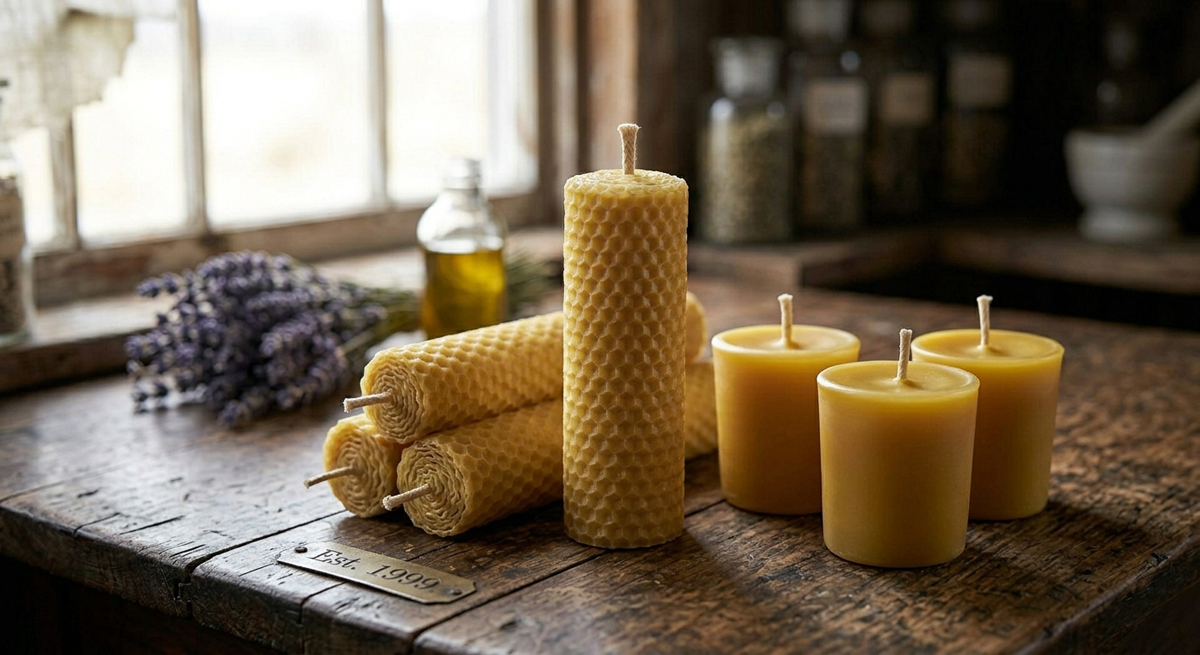
In the heritage home, the candle is more than a utility; it is a symbol of seasonal rhythm. Unlike paraffin, which is a byproduct of the petroleum industry, beeswax is a living material. It breathes. When burned, it releases negative ions that actually purify the air, carrying with it the faint, sweet scent of the summer meadow.
Crafting your own candles “from-scratch” allows you to control the purity of your light. Whether you are seeking a quick afternoon project with honeycomb sheets or the slow, meditative process of pouring votives, beeswax is the professional’s choice for a healthy, natural home.
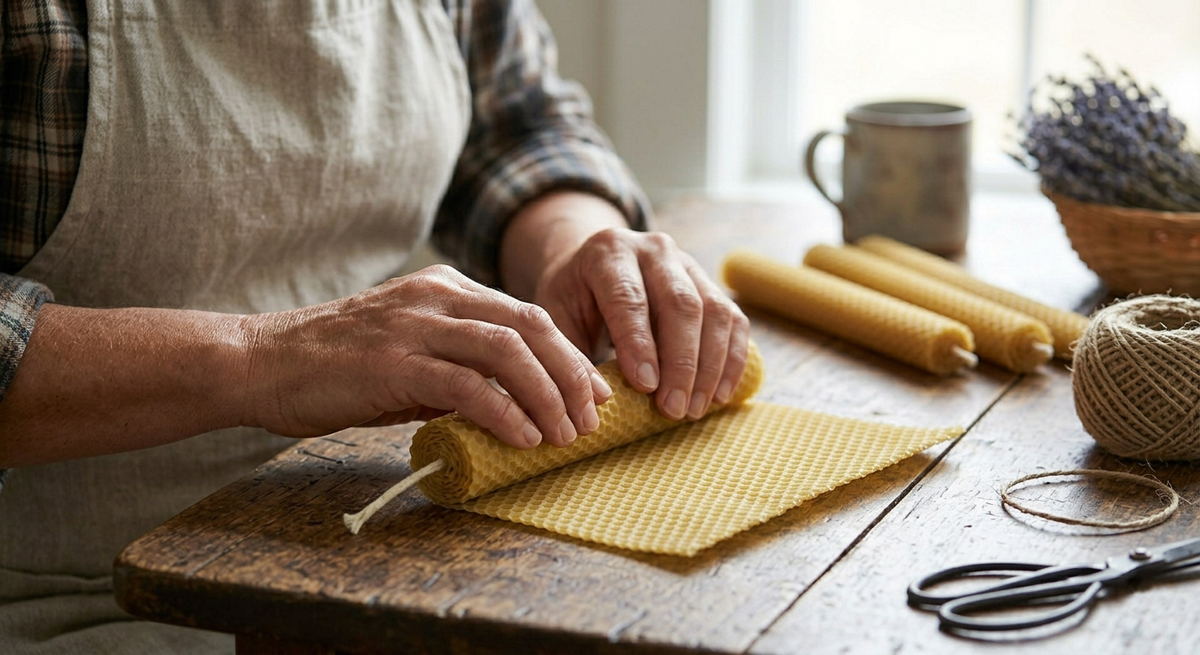
Method 1: The Artisan’s Rolled Taper
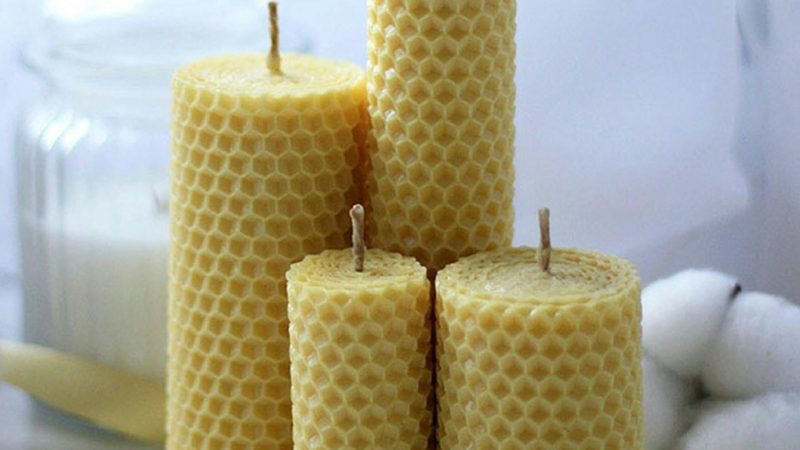
The rolled candle is the perfect entry point for the “Pioneer Pace.” Because it requires no heat, it is a wonderful way to involve grandchildren in the craft of the homestead.
-
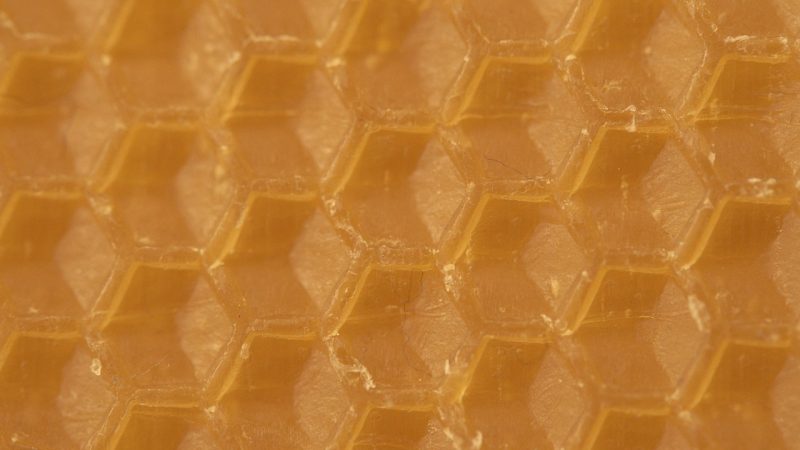
Use 100% pure beeswax honeycomb sheets. These retain the hexagonal geometry of the hive, providing a beautiful texture that catches the light.
-
If your sheets are cold, they may crack. Warm them slightly with the heat of your hands or near a sunny window until they feel like soft leather.
-
Lay a square-braid cotton wick along the edge. Roll with steady, even pressure, ensuring the core is tight. A tight roll ensures a longer, slower burn.
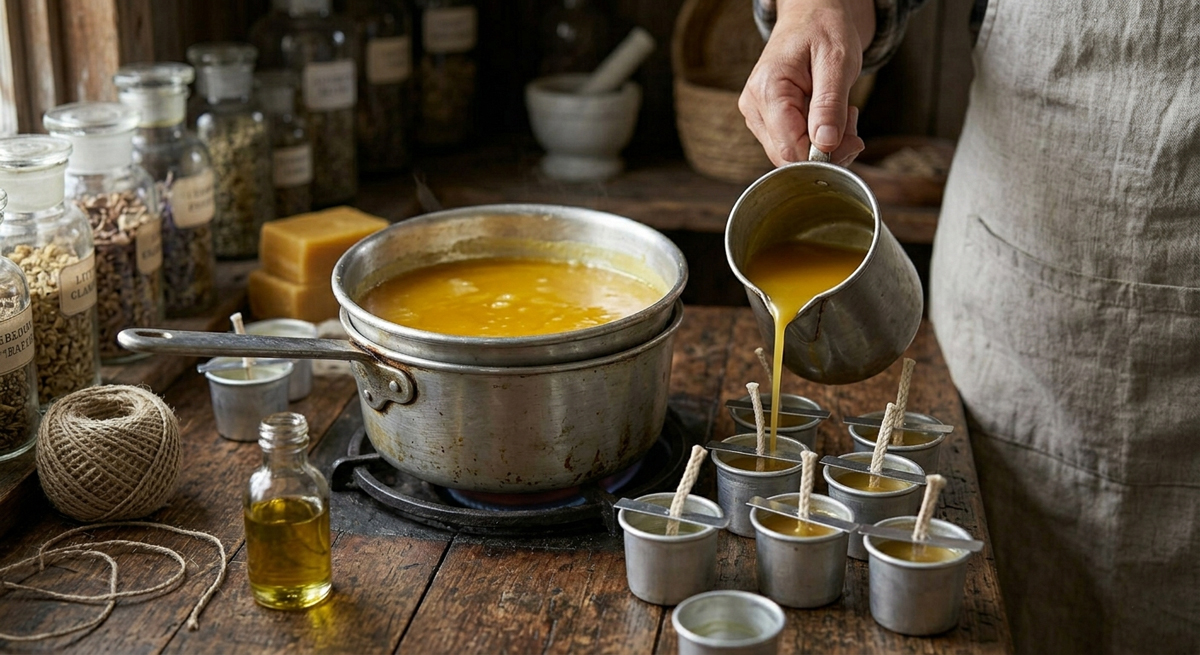
Method 2: The Poured Votive (The Apothecary Standard)
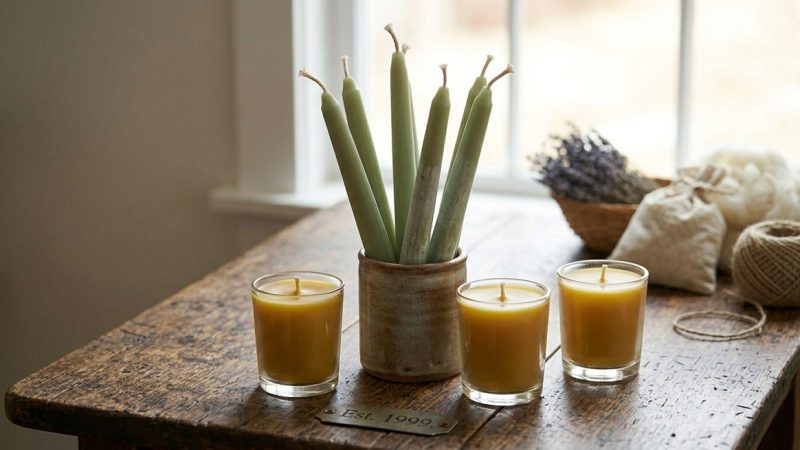
For a more permanent glow, we look to the poured votive. This method uses raw, filtered beeswax blocks—ideally sourced from a local apiary to support your regional ecosystem.
-
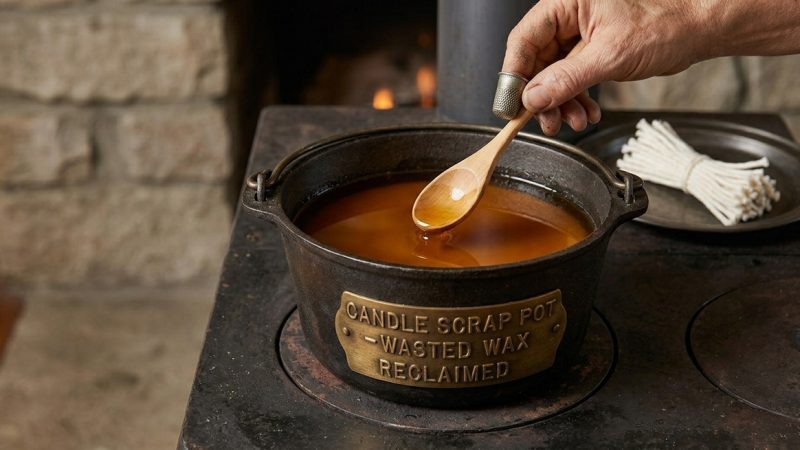
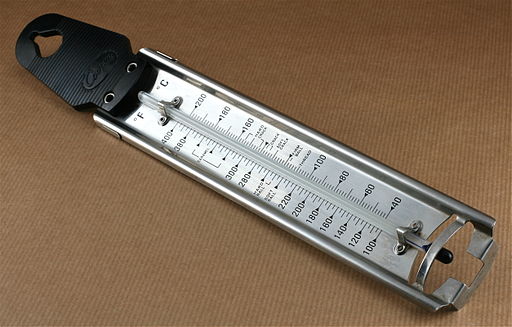
Never melt beeswax over direct heat. Use a double boiler to keep the wax at a steady, safe temperature. Beeswax has a high melting point (around 145°F), so patience is part of the process.
-
For beeswax, a “square braid” cotton wick is essential. Beeswax is denser than other waxes and requires a stronger wick to pull the fuel upward without “tunneling.”
-
To ensure your candles pop out of their molds cleanly, a tiny drop of olive oil rubbed inside the mold acts as a traditional, natural release agent.
The Pioneer View: Harvesting the Light
There is a profound sovereignty in making your own light. When we work with beeswax, we are participating in a cycle that began with a bee and a blossom. We aren’t just making a ‘product’; we are practicing the art of preparation. A drawer full of hand-rolled tapers is a promise to the household that no matter how long the winter, the hearth will remain bright. It is the ‘Ingredients for a Simple Life’ distilled into a single, golden flame.
The Author:
Pioneerthinking.com: Ingredients for a Simple Life. Insights from a seasoned professional rooted in country living, with 28 years of horticulture expertise and over two decades of practical experience in homesteading, natural beauty and cosmetic creations, natural health, cooking and creative living.
Photo. Gemini