Perpetual Paradise: Exploring Smart Strategies for Healthy, Lush Green Areas All Year Round
Achieving a healthy, vibrant lawn year-round requires much more than routine mowing and occasional watering. It entails a deep understanding of your yard’s ever-changing needs with the passing of each season, along with the consistent use of smart, sustainable strategies. Today, technology can offer substantial advantages, making lawn care less of a chore and more of a rewarding pursuit. For homeowners seeking an extra edge or professional touch, turning to specialists such as lawn care Southlake can provide expert guidance and tailored seasonal maintenance. Implementing industry best practices in lawn care routines not only enhances home appeal but also supports local biodiversity and reduces environmental impact. Aligning with seasonal strategies and advanced technology ensures a healthy, resilient, and beautiful yard year-round.
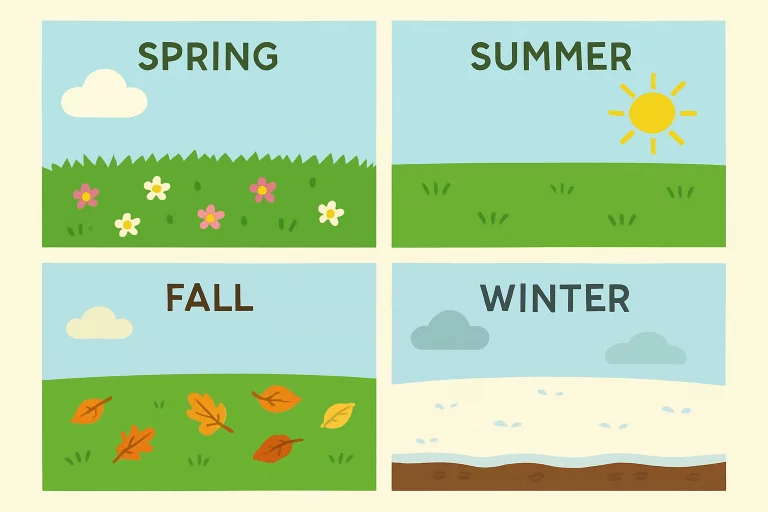
Spring: Laying the Foundation
Spring is a crucial time to revitalize your lawn and ensure healthy growth. Begin by removing winter debris, such as fallen branches and decomposed leaves, to promote air circulation and allow sunlight to reach the area. Conduct thorough soil testing to address deficiencies with targeted amendments. Aeration and dethatching are crucial for reducing soil compaction and enabling water, nutrients, and oxygen to reach the roots more efficiently. Oversee your lawn with disease-resistant seed varieties and treat it to a slow-release fertilizer for spring growth, promoting strong root development and a head start on the season.
Summer: Managing Heat and Drought
Summer is a challenging time for lawns due to high temperatures and drought conditions. To survive, it’s essential to water deeply, ideally 1 to 1.5 inches per week, less frequently, to encourage deeper roots and reduce reliance on surface moisture. Irrigating during early morning hours limits evaporation, reduces water waste, and lowers the risk of fungus and lawn disease. Mowing should be adjusted for hot weather, with higher blades providing shade. Vigilant pest and disease monitoring is crucial, and limiting foot traffic during peak heat helps prevent compaction.
Fall: Preparing for Dormancy
Autumn is a time to rejuvenate your lawn and fortify it for winter. Cooler temperatures and consistent rainfall help repair summer damage and encourage deep root development. Please switch to a potassium-rich fertilizer blend to strengthen your root systems and help them withstand cold and disease. Continue core aeration to relieve soil compaction and enhance nutrient and oxygen availability in the root zone. Oversee disease-resistant, cool-season grasses and prioritize leaf management to ensure optimal sunlight, prevent mold and disease, and promote stronger grass growth.
Winter: Protecting Your Lawn
Winter is a time for lawn care, but proper care can prevent damage and ensure success in spring. Avoid excessive walking on frozen turf to prevent soil compaction and root suffocation. Clear debris after snowstorms to avoid mold or lawn fungus breeding. Winter is also the perfect time to clean and service lawn equipment, such as mower blades, filters, and trimmers, to prepare for spring. These steps ensure your lawn is ready for the first signs of spring.
Sustainable Practices for Long-Term Health
Sustainable lawn care is an environmentally responsible, cost-effective, and easy-to-implement approach. Swap synthetic fertilizers for organic ones, which enrich soil and promote microbial growth. Select native and drought-tolerant grasses for reduced watering and fertilization needs, thereby creating habitats for pollinators and wildlife. Implement smart landscaping practices, such as xeriscaping or rain gardens, to minimize lawn thirst and maintenance needs, while native plants thrive with minimal human intervention. For deeper insight, explore effective rain garden designs at the EPA’s Soak Up the Rain: Rain Gardens page.
Photo. Claudia Peters