
🌷 Planting Bulbs for a Dazzling Spring Showcase
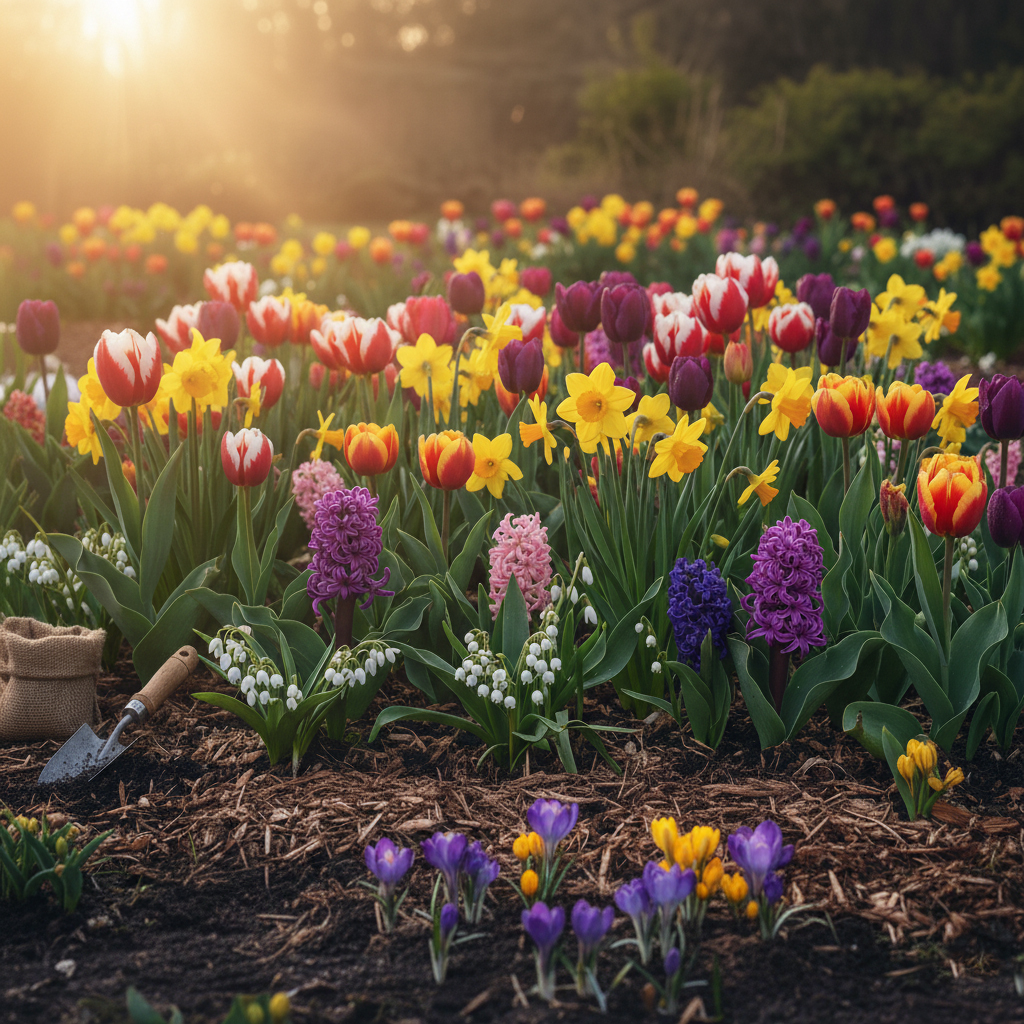
It’s time to start planning ahead for a dazzling showcase of spring flowers. To guarantee a beautiful display, plant an assortment of spring-blooming bulbs before the first hard frost. Classic favorites include Daffodils, Tulips, Crocuses, Lily of the Valley, Bearded Irises, and the wonderfully fragrant Hyacinth.
🪴 Planting Bulbs: A Simple Guide
Planting bulbs is straightforward, but a little preparation goes a long way.
To Plant:
-
Dig a hole about 6–8 inches deep and twice as wide as the bulb.
-
Amend the soil by mixing some compost and a handful of bone meal into the removed soil. Bone meal provides phosphorus, which promotes strong root and flower development.
-
Position the bulbs in the hole with the pointed tip facing up.
-
Spacing: Generally, plant the bulbs about 2–3 inches apart for a clustered, natural look. (Note: Check specific requirements for larger bulbs like Daffodils.)
-
Fill in the hole with the amended soil and firm it down gently.
-
Water well immediately after planting. This helps settle the soil and initiates root growth.
-
In cold climates, apply a 2-inch layer of mulch (like straw or shredded leaves) after the ground freezes to insulate the bulbs and protect them from freeze-thaw cycles.
✨ Success Tips and Bulb Profiles
A sure sign that spring is just around the corner is when colorful blooms of crocuses gently peek through the melting snow. Knowing the specifics of each bulb will help you get the most out of your garden.
Daffodils (Narcissus)
-
Culture: Flowers in spring. Requires full sun or partial shade and well-drained soil.
-
Pro Tip: Sprinkle bone meal over the bulbs when planting. If you plant daffodil bulbs 2 inches deeper than the recommended depth on the package, they are more likely to naturalize and grow back every year.
-
⚠️ Poisonous: All parts are poisonous, especially the bulb. Symptoms of poisoning include abdominal pains, diarrhea, and vomiting. Handle with care and store away from pets and children.
Lily of the Valley (Convallaria majalis)
-
Culture: Flowers mid-spring. Requires full sun to partial shade and well-drained, moist soil.
-
Note: It is a vigorous ground cover, so allow room for it to spread.
-
Propagation: To increase your patch, divide the clumps (rhizomes) and replant in late autumn or early spring.
-
⚠️ Poisonous: All parts are poisonous. Symptoms include upset stomach and irregular heartbeat.
Crocuses (Crocus)
-
Culture: Flowers late winter – early spring, often pushing through snow. Requires full sun or partial shade and well-drained soil.
Tulips (Tulipa)
-
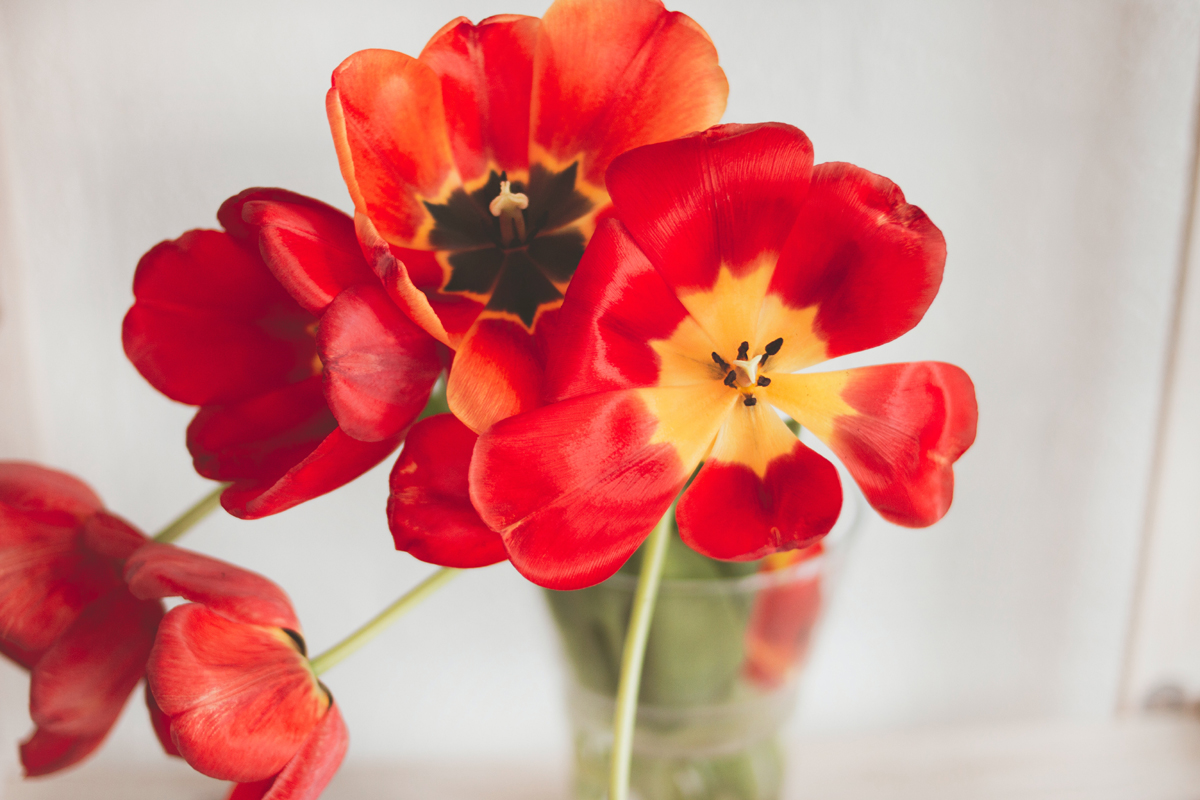
Culture: Flowers early spring. Requires full sun or light shade and well-drained soil.
-
Propagation: To prevent overcrowding and promote consistent blooming, in early summer (once the foliage has died back), you can dig up the bulbs, dry them, and store them in a cool, dark place until fall. You can also pull small bulblets from the base of the mother bulb and replant those.
-
⚠️ Poisonous: The bulb is poisonous.
Bearded Irises (Iris germanica)
-
Culture: Flowers early – late spring. Requires full sun and well-drained soil.
-
Propagation: Irises grow from rhizomes (fleshy rootstalks) planted at or just below the soil surface, not true bulbs. Every few years, cut the rhizome into several pieces, ensuring each section has a few leaves and roots, and replant the pieces.
Hyacinths (Hyacinthus orientalis)
-
Culture: Flowers early spring. Requires partial sun – partial shade.
-
Note: Known for their intensely sweet fragrance and dense, colorful flower spikes.
-
⚠️ Poisonous: The bulb is poisonous.
💡 Beyond the Basics: Extending Your Bloom Time
For a continuous burst of color from February right up to summer, incorporate a variety of bulb types with different bloom times.
| Bloom Time | Bulb Type |
| Late Winter / Very Early Spring | Snowdrops (Galanthus), Crocuses, Winter Aconite (Eranthis) |
| Early Spring | Hyacinths, Early Daffodils (e.g., ‘Tête-à-Tête’), Grape Hyacinth (Muscari), Species Tulips |
| Mid-Spring | Mid-Season Daffodils, Tulips (Triumph and Darwin Hybrid), Fritillaria |
| Late Spring / Early Summer | Allium (Ornamental Onion), Late Tulips, Bearded Irises |
The Author:
Pioneerthinking.com: Ingredients for a Simple Life. Insights from a seasoned professional rooted in country living, with 28 years of horticulture expertise and over two decades of practical experience in homesteading, natural beauty, natural health, cooking and creative living.
Photo. Gemini


I must say that most flowering bulbs prefer full sun, but that can be almost anywhere in the spring, before the trees leaf out. So don’t overlook a spot that seems perfect.
You’re absolutely right! Many flowering bulbs thrive in full sun and it’s important to take advantage of those sunny spots in the spring before the trees leaf out. Even if a spot may not seem ideal initially, it can still turn out to be the perfect location for planting bulbs and enjoying beautiful springtime flowers. It’s always worth giving it a try and see how nature surprises us. Happy gardening!