Squirrels – The Plague of Southern Ohio in the Early 1800s
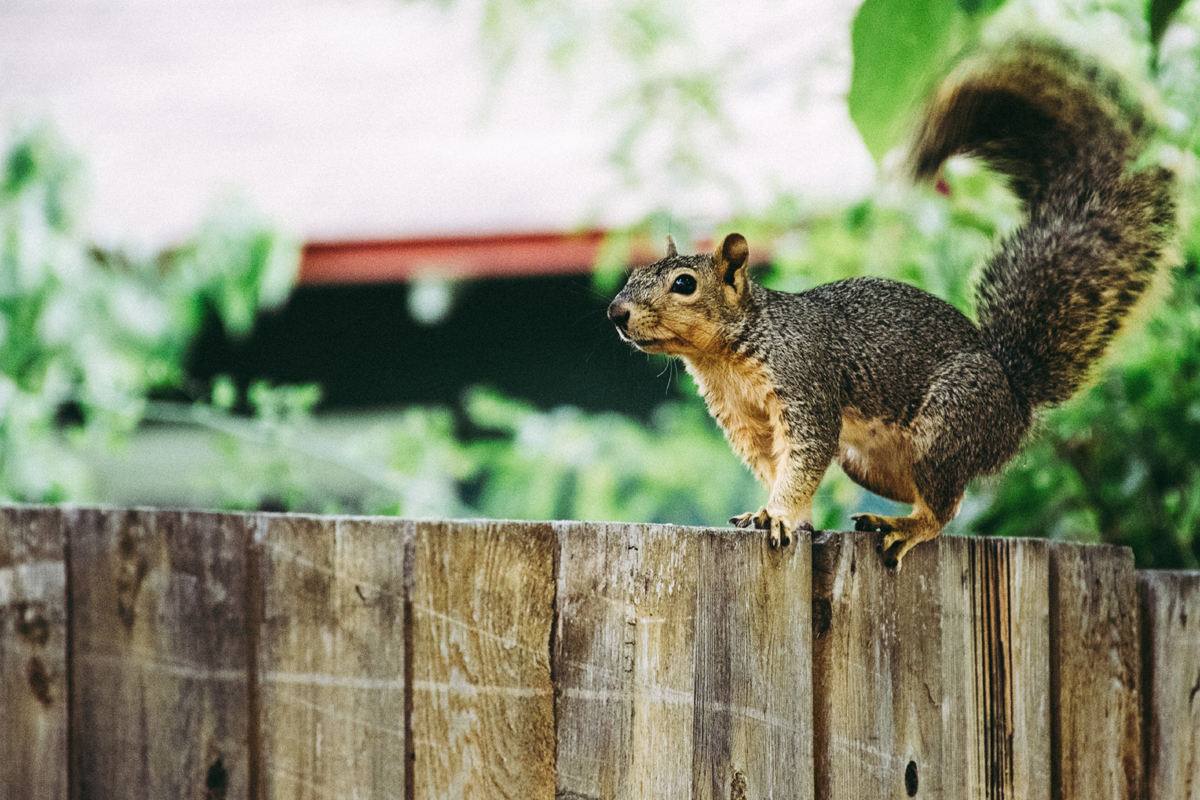
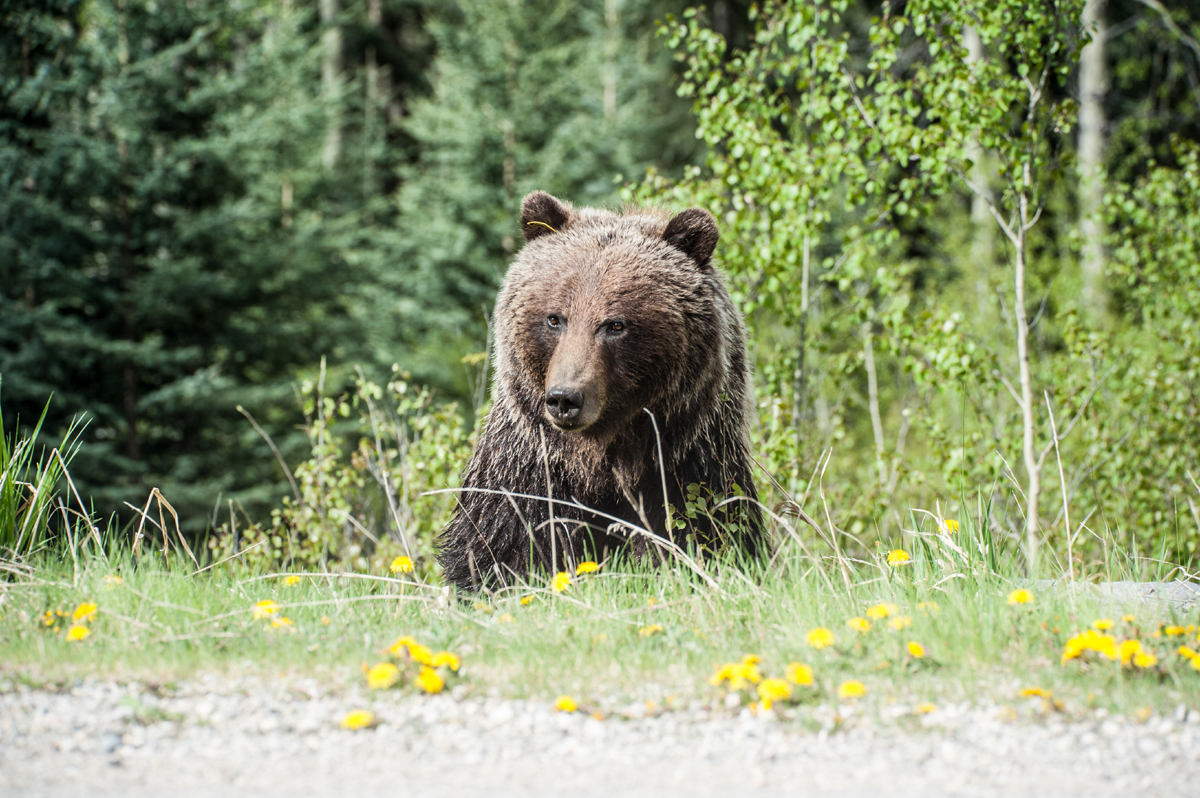
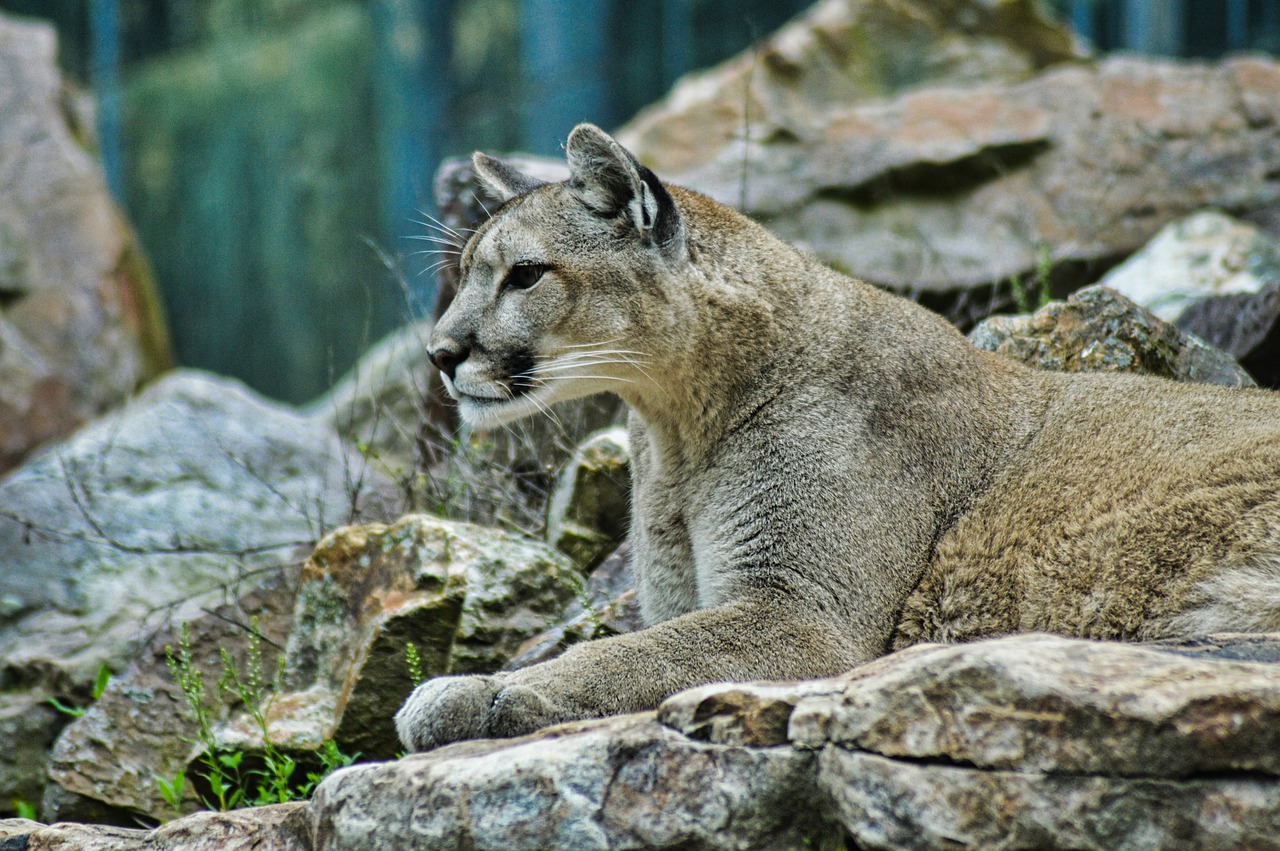
When we think about the dangerous animals faced by our pioneer ancestors, what comes to mind? Probably we would imagine wolves, bears, panthers, and poisonous reptiles. Few would consider the lowly squirrel! But for the early Ohio settlers, the squirrel was the cause of famine and suffering.
As pioneers moved into the Valley of the Paint in southern Ohio in the early 1800s, they immediately began to radically change the area’s landscape. Cabins had to be built, fireplaces stoked, and fields cleared for planting. As a result, the great oak, beech, chestnut, and black walnut trees were cut down far and wide. Trees not needed for building were rolled to the vast fires and destroyed.
These trees, especially the nut-bearing ones, were the habitat and food source for the hundreds, perhaps thousands, of squirrels in the area. In short order, the squirrels were desperate for food. They turned to the easiest and most abundant food source-the pioneers’ crops.
Seemingly overnight, hordes of the furry thieves stripped the fields of the young corn, wheat, and rye plants. The settlers and their families were now facing a winter of starvation. There were no general stores in this wilderness; the only food was what the pioneers grew for themselves. Many of the settlers hastily planted kitchen gardens of cabbages and turnips in order to have some provender for the harsh winter to come, while others, who had seed corn still, replanted their corn crop quickly, hoping for a small harvest before the snow came.
In addition to the squirrels’ depredations, blight struck the remaining corn crop at the same time. Many suffered despite the assistance offered by those residents fortunate enough to have a little to spare. American pioneers always supported each other through extended family groups or as neighbors. This was the way before government stepped in to solve the country’s problems. We took care of ourselves.
Highland County, in response to the settlers’ complaints, put through a county levy in 1806. This levy required residents to turn in a specified number of squirrel scalps under penalty of law. Open warfare had been declared against the pests. Men headed into the remaining woods with muskets loaded and ready, along with bags to carry the small, furry bodies. Back at the cabins, the tiny scalps were carefully stored to meet the levy. No doubt, the carcasses ended up in the stew-pot hung over the fireplace. Squirrel was a popular meat among the pioneers.
The harsh winter of 1807-08 nearly eliminated squirrels as a species in the Valley, and the levy was allowed to expire. The pioneers continued to subdue the wilderness and open the land to agriculture. The days of the great forests blanketing Appalachian Ohio were coming to an end. In their place now stood row upon row of tall corn plants and waving wheat. Civilization was on the march.
Although most people would name wolves or rattlesnakes as the worst danger to early Ohio pioneers, it was the squirrel that caused the most suffering. Man’s effect on the rodents’ food source led to crop loss and famine. The county act that required the killing of the squirrels, along with the settlers’ sharing with their neighbors in need, helped the new community make it through the long, cold winter to come.
The Author:
Donna Gruber Adair is a former teacher of high school English and creative writing with a degree in history. Her newest book, An American Odyssey, follows a real-life pioneer family in their journeys through Ohio, Indiana, and Kansas, finding adventure on the Santa Fe Trail, the Colorado Gold Rush, and the Civil War.
Kirkus Reviews: “A captivating generational tale of one family’s pioneering travels during America’s 19th-century. Adair masterfully weaves pivotal events of the 1800s such as slavery, Bleeding Kansas and the Pike’s Peak gold rush into the lives of this family, crafting a perfect mix of action, tragedy, and romance.”
Photo. Brett Sayles
Source:
Pioneer View: The Gray Shadow in the Corn
by pioneerthinking.com
While the pioneers did their best to work with nature, the “Squirrel Plague” of the early 1800s was so overwhelming that natural deterrents often failed. They had to rely on a mix of aggressive hunting, community cooperation, and a few clever farmstead tactics.
1. The “Open Warfare” Method (Hunting)
The primary way pioneers stopped squirrels was through sheer force. Because the squirrels were desperate due to the loss of forest “mast” (nuts), they weren’t easily scared off.
- The Squirrel Levy: As mentioned in the above article, some counties actually passed laws requiring men to turn in a certain number of squirrel scalps each year. This turned every farmer into a full-time hunter.
- Side Hunts: Communities would hold massive “squirrel hunts,” dividing the town into two teams to see who could harvest the most pests in a single day. The “losers” usually had to pay for a community dinner.
2. Guard Dogs
While they didn’t have many “natural” deterrents that could stop thousands of squirrels, they did rely heavily on working dogs.
- Feist and Cur Breeds: Small, scrappy dogs were bred specifically to “tree” squirrels and keep them away from the immediate perimeter of the kitchen garden and the corn cribs.
- LGDs (Livestock Guardian Dogs): While larger dogs focused on wolves and bears, the smaller farm dogs were the ones constantly patrolling the fence lines to bark at and chase off rodents.
3. Physical Deterrents & Crop Strategy
Pioneers used a few “old-world” tricks to try and save what they could:
- Steep-Sided Cribs: Corn was stored in cribs built high off the ground with overhanging eaves and smooth, bark-stripped logs to make it harder for squirrels to climb.
- Kitchen Gardens: They would plant “trap crops” or less desirable vegetables. Squirrels love corn and grain, so settlers would frantically plant cabbages, turnips, and potatoes near the house. These were less attractive to squirrels than the sweet, milky ears of young corn.
- The “Stew-Pot” Deterrent: Perhaps the most effective “natural” cycle was that the pioneers ate the problem. By turning the pest into a primary protein source (Squirrel Burgoo or Stew), they stayed fed while protecting the next year’s seed.
4. Natural Predators
In the early 1800s, there was no shortage of natural predators like hawks, owls, foxes, and black snakes. However, the pioneers had a complicated relationship with these animals:
- The Predator Paradox: While a hawk or fox would eat squirrels, they would also eat the pioneer’s chickens.
- The Ecosystem Shift: Because the pioneers were clearing the “Big Woods” so quickly to plant crops, they were also destroying the nesting sites of the very hawks and owls that might have kept the squirrel population in check. This created a “perfect storm” where the squirrels had a new food source (corn) but fewer places for their predators to hide and hunt.
A Heritage Note: It’s interesting to note that the pioneers eventually “won” not just through hunting, but by finishing the clearing of the land. Once the vast oak and beech forests were replaced by open farmland, the squirrels lost their protective cover and breeding grounds, and the “plague” years finally came to an end.