The Healing Power of Shrubs: Top 4 Shrubs with Medicinal Value
Shrubs are an often-overlooked source of natural remedies, providing a bridge between the delicate nature of garden herbs and the towering presence of medicinal trees. While many people grow these for privacy or beauty, several common varieties offer potent therapeutic benefits.
However, working with medicinal shrubs requires a careful eye for identification and a deep respect for safety. Below are four versatile shrubs for your garden, along with the essential details on how to identify, prepare, and safely use them.
1. Black Haw (Viburnum prunifolium)
Identification: Black Haw is a deciduous shrub native to eastern North America. It can reach heights of 15 feet. Look for finely serrated, oval-shaped leaves that turn a brilliant red in autumn. In spring, it produces flat-topped clusters of small white flowers, followed by blue-black fruit that stays on the bush through winter.
Medicinal Value & Preparation: The bark (of both the stems and roots) is the primary medicinal part. Traditionally used by Native American tribes to treat menstrual cramps and childbirth pains, it contains antispasmodic properties that help relax the uterus.
- Preparation: Harvest the bark in autumn. It is most commonly prepared as a decoction (simmering the bark in water for 15–20 minutes) or a tincture.
Safety Note: Always peel the bark from smaller branches rather than girdling the main trunk to keep the plant healthy. Avoid use if you have a history of kidney stones due to its oxalic acid content.
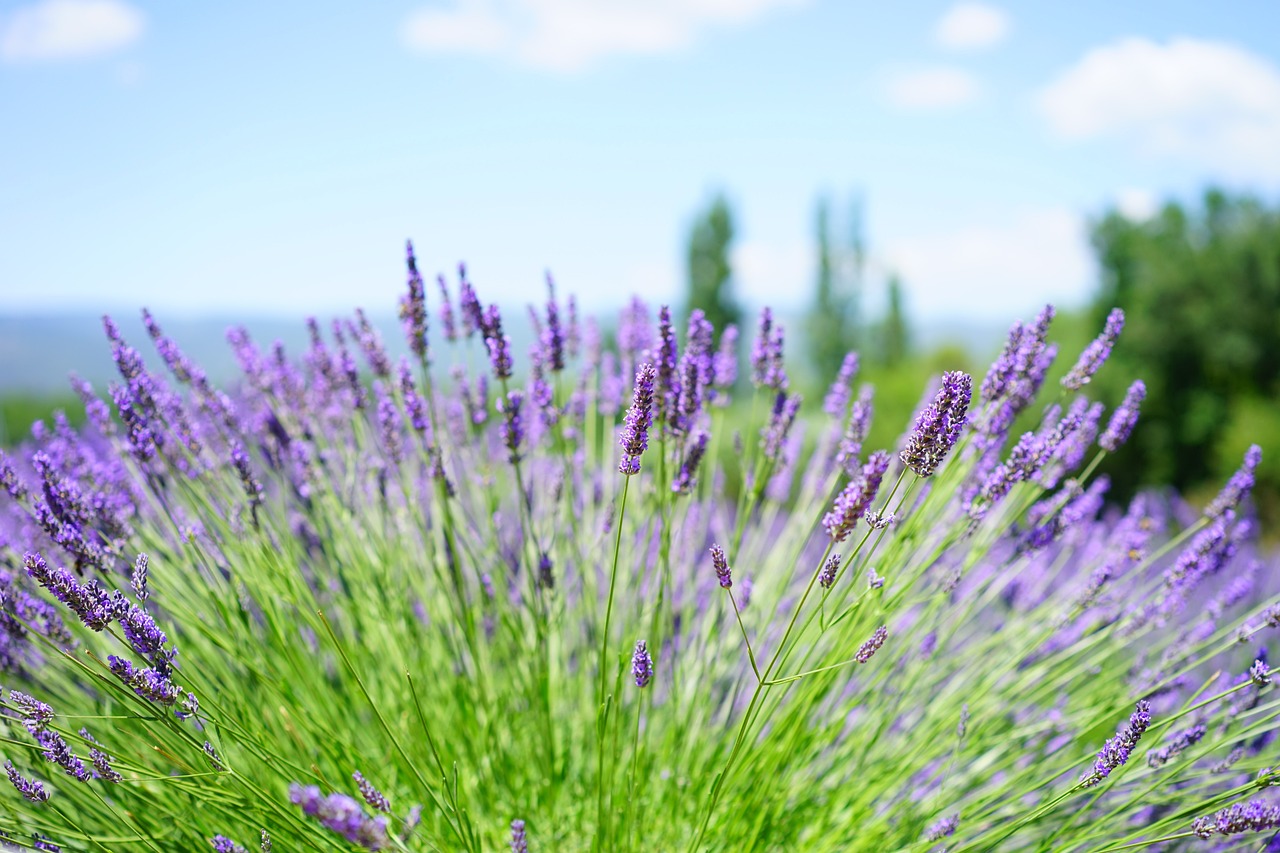
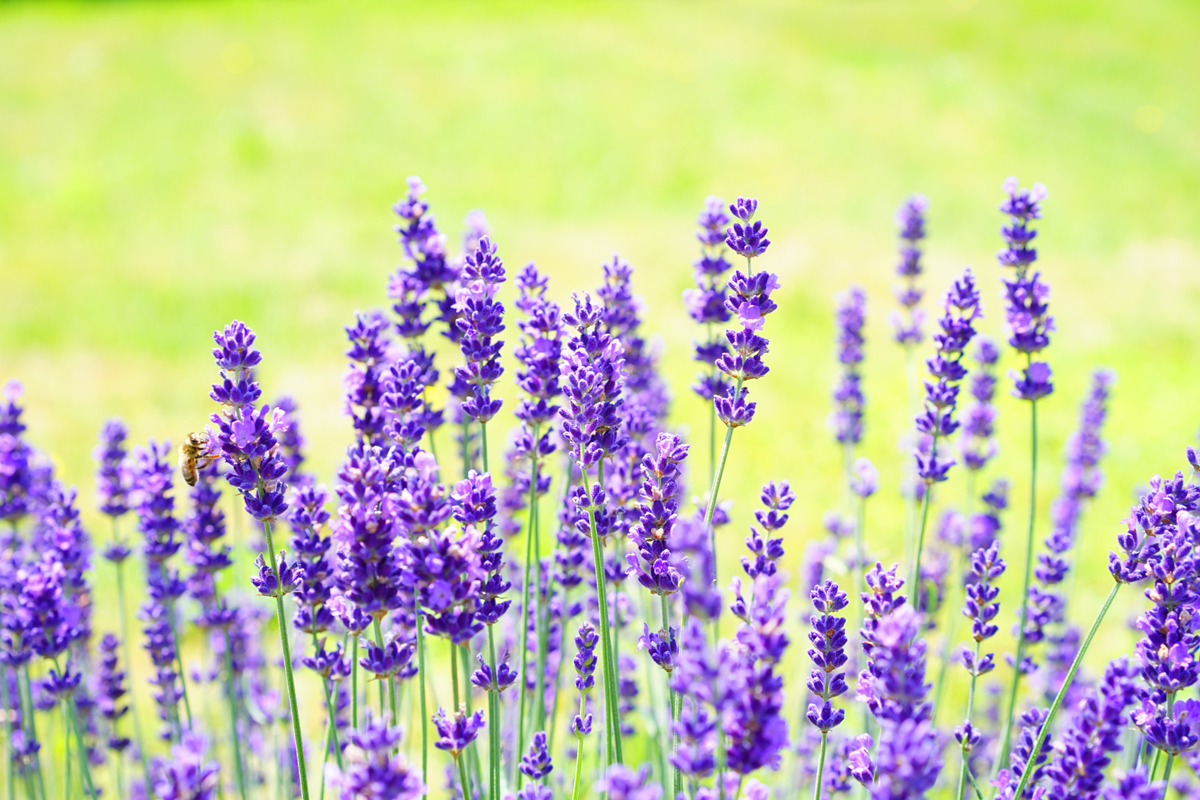
2. Lavender (Lavandula)
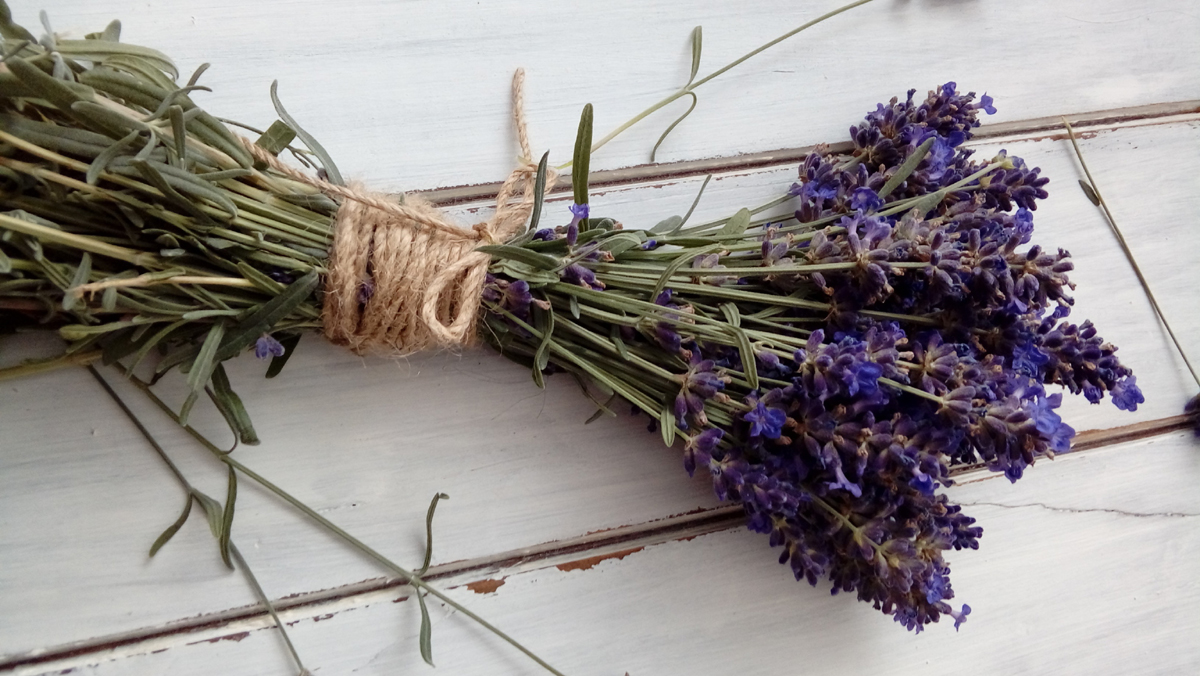
Identification: This perennial shrub is easily identified by its silvery-green, needle-like foliage and spikes of fragrant purple flowers. It thrives in well-drained soil and full sun.
Medicinal Value & Preparation: Lavender is famous for its calming effects on the nervous system, aiding with anxiety and insomnia. It also possesses antimicrobial properties helpful for skin conditions.
- Preparation: * Infusion: Steep fresh or dried flower buds in hot water for 5–10 minutes for a calming tea.
- Topical: Infuse flowers in a carrier oil (like olive or almond) for several weeks to create a soothing skin salve.
Safety Note: Lavender is generally very safe, but the essential oil should never be ingested and should be diluted before skin application to avoid irritation.
4. Elderberry (Sambucus nigra)
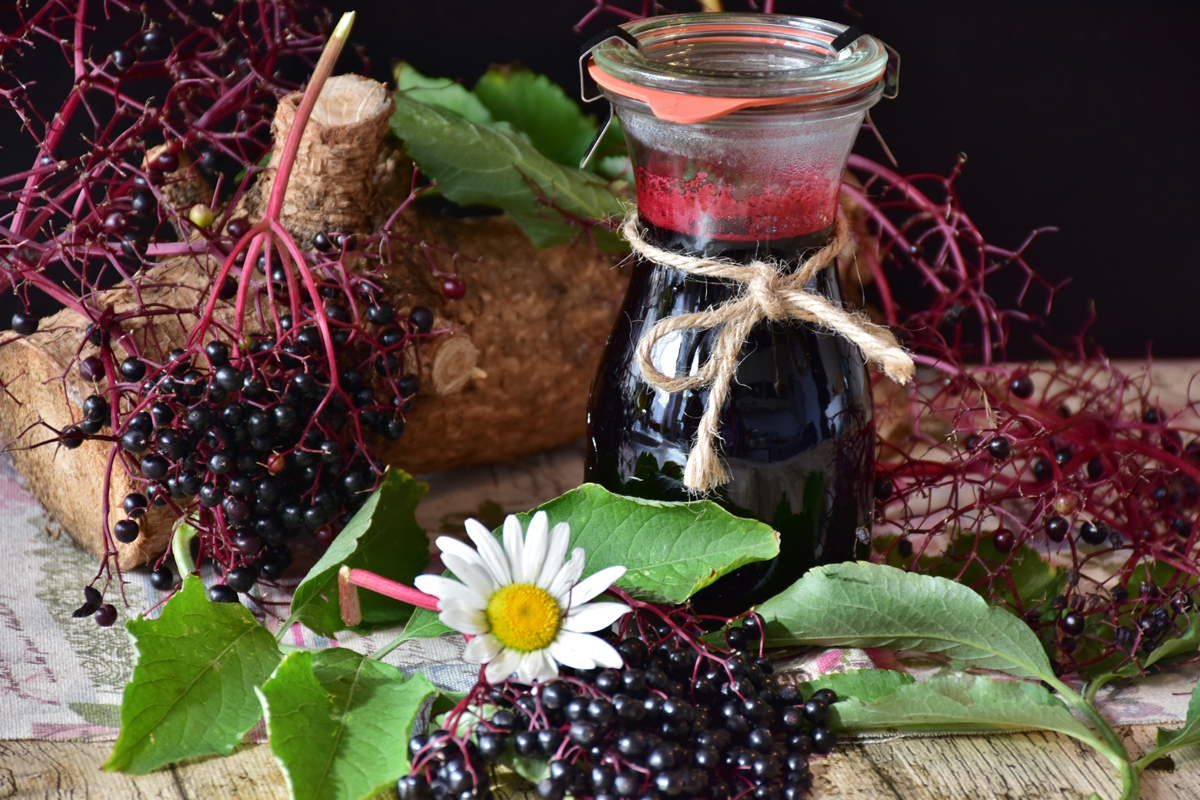
Identification: Elderberry is a vigorous deciduous shrub that can grow quite large (up to 20 feet if not pruned). In late spring or early summer, it produces large, flat-topped clusters of tiny, creamy-white, star-shaped flowers (elderflowers). By late summer, these transform into drooping clusters of small, dark purple-to-black berries.
Medicinal Value & Preparation: Elderberry is world-renowned for its immune-supporting properties.
- The Berries: Rich in antioxidants and Vitamin C, they are most commonly simmered into a thick syrup or tincture to help shorten the duration of colds and flu.
- The Flowers: Known for being “diaphoretic,” elderflower tea is a traditional remedy for breaking a fever and soothing the upper respiratory system.
Preparation:
Tea: Steep fresh or dried flowers in hot water for a delicate, floral tea that helps with seasonal allergies or congestion.
Syrup: Simmer dried or fresh berries with ginger and cinnamon, strain, and stir in raw honey.
The Pioneer View: The “Countryman’s Apothecary”
Historically, the Elderberry was often called the “medicine chest of the country people.” For a pioneer family, having an Elderberry shrub near the kitchen door was like having a 24-hour clinic. It was one of the most hardworking plants on the homestead because every part of the season offered a new remedy: flowers in the heat of June and berries before the first frost of autumn.
Beyond medicine, the hollow stems were used by children to make whistles and pop-guns, and the berries provided a deep, rich dye for wool. It was the ultimate example of pioneer efficiency—a single plant that fed the spirit, the body, and the craft.
⚠️ Pioneer Caution: The Heat is the Key
While Elderberry is high-value, it demands respect. Never eat the berries raw. Raw berries, as well as the leaves and bark, contain compounds that can cause severe nausea. The “Pioneer Secret” is heat—simmering the berries thoroughly neutralizes these compounds, making the juice safe, delicious, and deeply healing.
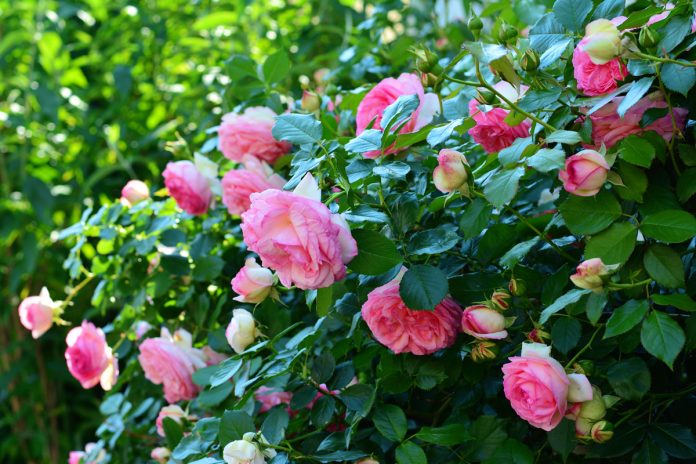
4. Rose (Rosa)
Identification: Wild or “Old World” roses (like Rosa rugosa or Rosa canina) are best for medicinal use. Look for the “hip”—the round, orange-to-red fruit that forms after the petals fall.
Medicinal Value & Preparation: Rose petals have anti-inflammatory effects, while the hips are a powerhouse of Vitamin C, making them excellent for cold and flu season.
- Preparation: * Petals: Harvest in the morning and steep for a gentle, stress-relieving tea.
- Hips: Dry the hips, remove the internal “itchy” hairs, and simmer them into a syrup or tea.
Safety Note: Only use roses that have been grown organically. Most nursery-bought roses have been treated with systemic pesticides that are not safe for consumption.
General Safety Guidelines for the Backyard Pharmacy
Start Small: When trying a new herbal tea or tincture, start with a very small amount to ensure you do not have an allergic reaction.
Positive Identification: Never ingest a plant unless you are 100% certain of its identity. Use a high-quality field guide or a botanical app.
Consult a Professional: If you are pregnant, nursing, or taking prescription medications, consult a healthcare provider before adding medicinal shrubs to your routine.
>> Creating Your Own Backyard Pharmacy: A Guide to 15 Medicinal Plants and Their Uses
The Author:
Pioneerthinking.com: Ingredients for a Simple Life. Insights from a seasoned professional rooted in country living, with 28 years of horticulture expertise and over two decades of practical experience in homesteading, natural beauty and cosmetic creations, natural health, cooking and creative living.
Photo. Congerdesign