The Homesteader’s Guide to Small-Scale Cattle
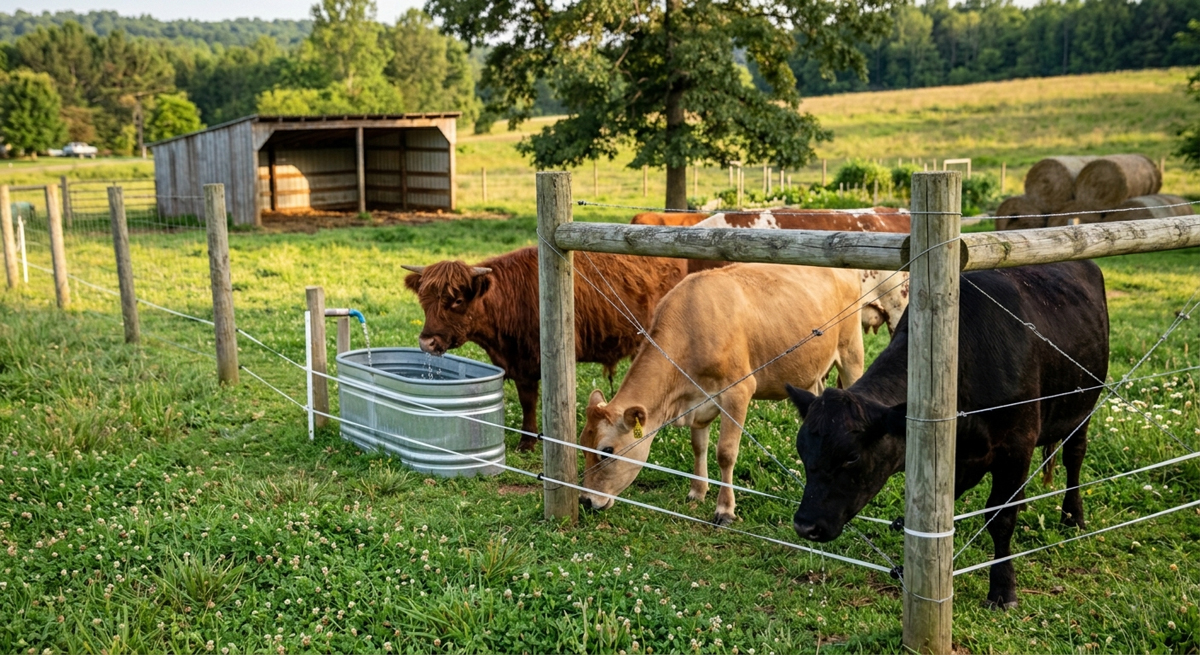
So, you’ve decided to upgrade from chickens to something a bit more substantial. Bringing cattle onto a small homestead is a “level up” moment—the shift from managing a hobby to managing a landscape. When you only have a few acres and a handful of head, the rules of the ranch change. You aren’t running a commodity business; you’re building a symbiotic relationship between your land and your larder.
1. Right-Sizing the Herd
On a massive ranch, “bigger is better.” On a homestead, big cows are just big eaters. For a small-scale setup, prioritize frame size and purpose.
- The Mini Advantage: Breeds like Dexter, Miniature Jersey, or Lowline Angus are the kings of the small homestead. They produce more meat or milk per acre of grass and are significantly easier on your fences.
- The Dual-Purpose Dream: If you only have room for two animals, look for “dual-purpose” genetics. Heritage breeds like the South Devon or Milking Shorthorn provide a steady milk supply while weaning a beefy calf for the freezer.
- Ideal Numbers: Cattle are social herd animals; two or three is the ideal minimum. For beginners, buying a bred heifer (a young pregnant female) is often wiser than the intensive labor of a bottle calf.
2. Grazing Logic & Space
You don’t need 100 acres to practice holistic management. Generally, you’ll need 1 to 2 acres per cow, depending on local rainfall and soil quality.
- The 24-Hour Shift: Instead of letting cows wander one big field, use electric polywire to create small paddocks. Moving them to a fresh square every 1–2 days breaks parasite cycles and ensures your pasture regrows faster.
- Toxic Hazards: Be vigilant. Removing Yew, Nightshade, Hemlock, and wilted Cherry leaves is vital, as these are highly toxic to cattle.
3. Nutrition and Hydration
When the grass isn’t enough—especially in winter—you must step in as the provider.
- The Daily Ration: A cow eats about 2% to 3% of its body weight in dry matter daily (roughly 20–30 lbs of hay for a 1,000 lb cow).
- Water: Cattle drink 10 to 30 gallons a day. Hauling buckets gets old fast; invest in a piped water system to ensure they have fresh access 24/7.
- Treats: They love garden scraps like apples, carrots, and pumpkins—just avoid overfeeding fruit to prevent stomach upset.
The Pioneer Salt Ritual
Long before the modern mineral block, providing salt was a deliberate, hands-on ritual. For the 19th-century homesteader, salt was a precious commodity—too expensive to be left to the elements.
What Kind of Salt Did They Use?
Pioneers primarily used three types of salt for their livestock:
- Coarse Rock Salt: Large, greyish crystals mined from the earth. These were rugged enough to sit in a trough without dissolving in a light rain.
- “Scraping” Salt: When boiling brine in large iron kettles, the finest white salt was kept for the table. The mineral-rich “scrapings” from the bottom of the kettle were saved for the cattle.
- Natural Licks: Pioneers would scout for geological spots where saline springs rose to the surface, driving their herds there to “self-harvest” minerals directly from the earth.
The Art of “Gentling”
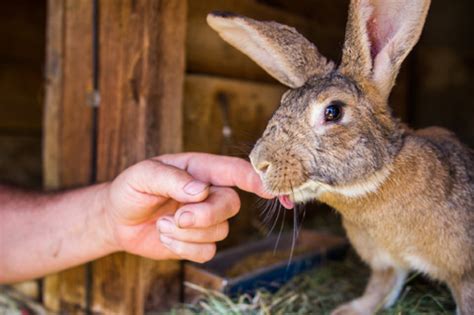
Salt was the ultimate “bribe.” By offering a few grains from a weathered palm, a pioneer transformed a skittish cow into a docile companion. A “salt-hungry” animal would follow the sound of a rattling gourd for miles, making it easy to lead the herd into a barn without the stress of chasing.
They also used “Salt Logs”—hardwood stumps with notched-out depressions. Over time, the cattle would lick the timber so frequently it became polished to a mirror-like sheen, providing minerals long after the loose grains had vanished.
4. Infrastructure: The “Big Three”
Homesteaders often over-build or under-build. To succeed, you only truly need three things:
- A Dry Lot: A graveled area to keep cows during “mud season” to protect your pastures.
- Shelter: A three-sided run-in shed provides essential protection from rain, snow, and the summer sun.
- A “Squeeze” Strategy: You must have a way to safely restrain a cow for a vet visit. A simple head gate bolted to sturdy posts will save your sanity.
5. Freezer Math & The Emotional Bond
Why raise your own? It’s about the radical transparency of your food chain.
| Feature | Grocery Store Beef | Homestead Beef |
|---|---|---|
| Traceability | Unknown origin/processing | You know exactly what went in |
| Aging | Often wet-aged in plastic | Dry-aged 14–21 days for superior flavor |
| Cost | Subject to market inflation | Locked-in cost of hay and mineral |
The Pioneer View: In the 1800s, a family cow was the “bank account” of the homestead. Every scrap from the garden—from bruised turnips to cabbage leaves—was saved for the cow, ensuring nothing went to waste in the quest for “white gold” (milk) and butter. Today, we use polywire and genomic testing, but the goal remains the same: a healthy animal that sustains the family through the seasons.
The Homesteader’s Secret: “A cow is a 1,000-pound biological lawnmower that turns sunshine and weeds into steak and butter.”
The Author:
Pioneerthinking.com: Ingredients for a Simple Life. Insights from a seasoned professional rooted in country living, with 28 years of horticulture expertise and over two decades of practical experience in homesteading, natural beauty and cosmetic creations, natural health, cooking and creative living.
Photo. Gemini