The Settler’s Guide to the Easter Basket
In the days of the frontier, Easter wasn’t just a date on a calendar; it was a hard-earned celebration of survival. After a long, lean winter, the sight of the first green shoots signaled that life was returning to the prairie. While they didn’t have big-box stores to browse, the “perfect” gift basket was always within reach if you knew how to use what the land provided.
If you want to capture that authentic, pioneer spirit this year, skip the plastic grass and follow this guide to assembling a basket that feels like a piece of heritage.
Step 1: Scouting the Vessel
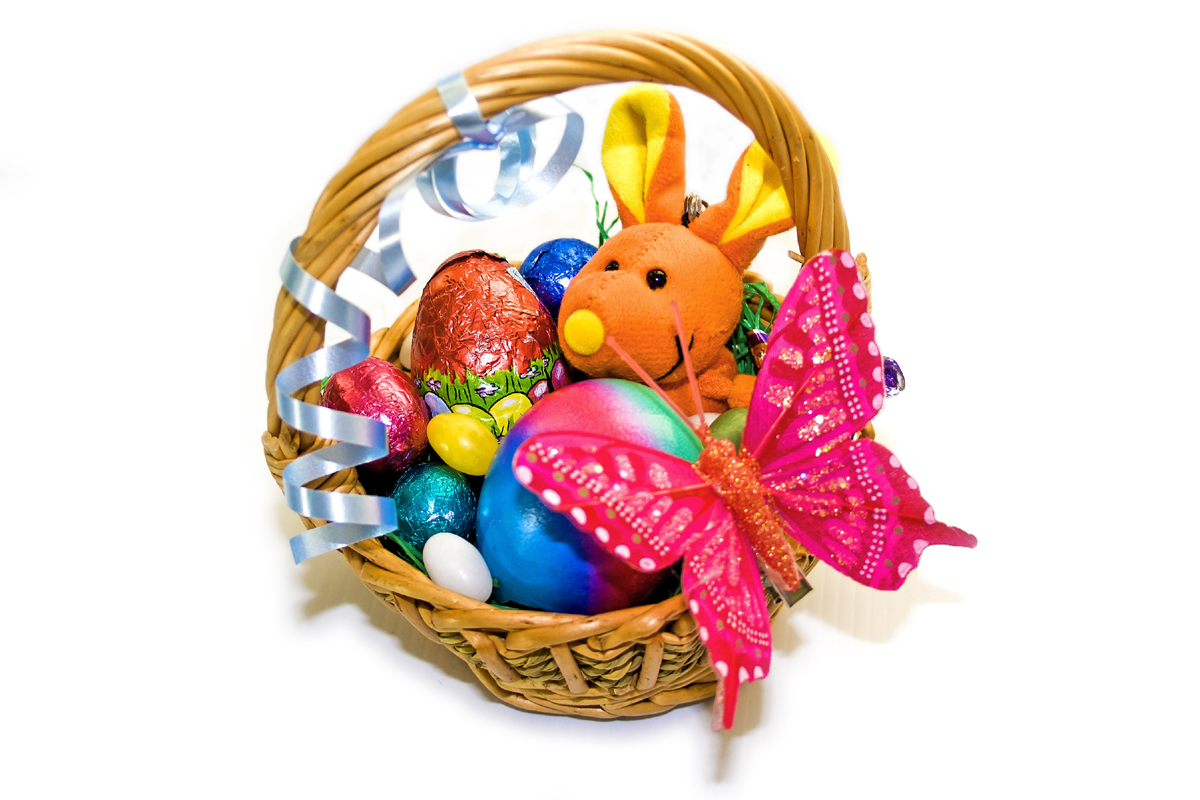
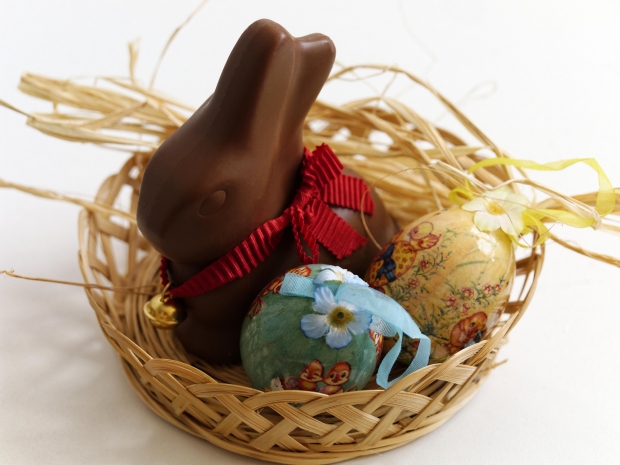
On the homestead, a basket wasn’t just for decoration—it was a tool. When choosing your container, look for something sturdy and functional.
- The Material: Woven willow, splint wood, or even a small galvanized pail works best.
- The Look: Stick to natural, earthy tones. A single-colored wooden basket allows the vibrant colors of hand-dyed eggs to truly shine.
- The Legacy: A true pioneer gift is one that can be used again. Choose a basket that the recipient can later use to gather berries or collect eggs from the coop.
Step 2: Nesting with The Land
Long before the invention of neon plastic fringe, they used what the Earth offered to cushion their treasures. The goal is to mimic a hare’s “form”—the natural indentation a rabbit leaves in the tall grass.
- Real Grass: If your meadow is waking up, freshly snipped sweetgrass provides a wonderful scent.
- The Pioneer Alternative: Since fresh grass wilts, they often used shredded corn husks or leftover straw.
- Hand-Dyed Paper: If you’re feeling crafty, take old scrap paper, shred it by hand, and soak it in beet juice or onion skins to give it a rustic, colorful hue.
Step 3: Filling with Meaningful Bounty
In a pioneer home, every item in a basket was a treat or a necessity. Forget the mass-produced trinkets; think about abundance and new life.
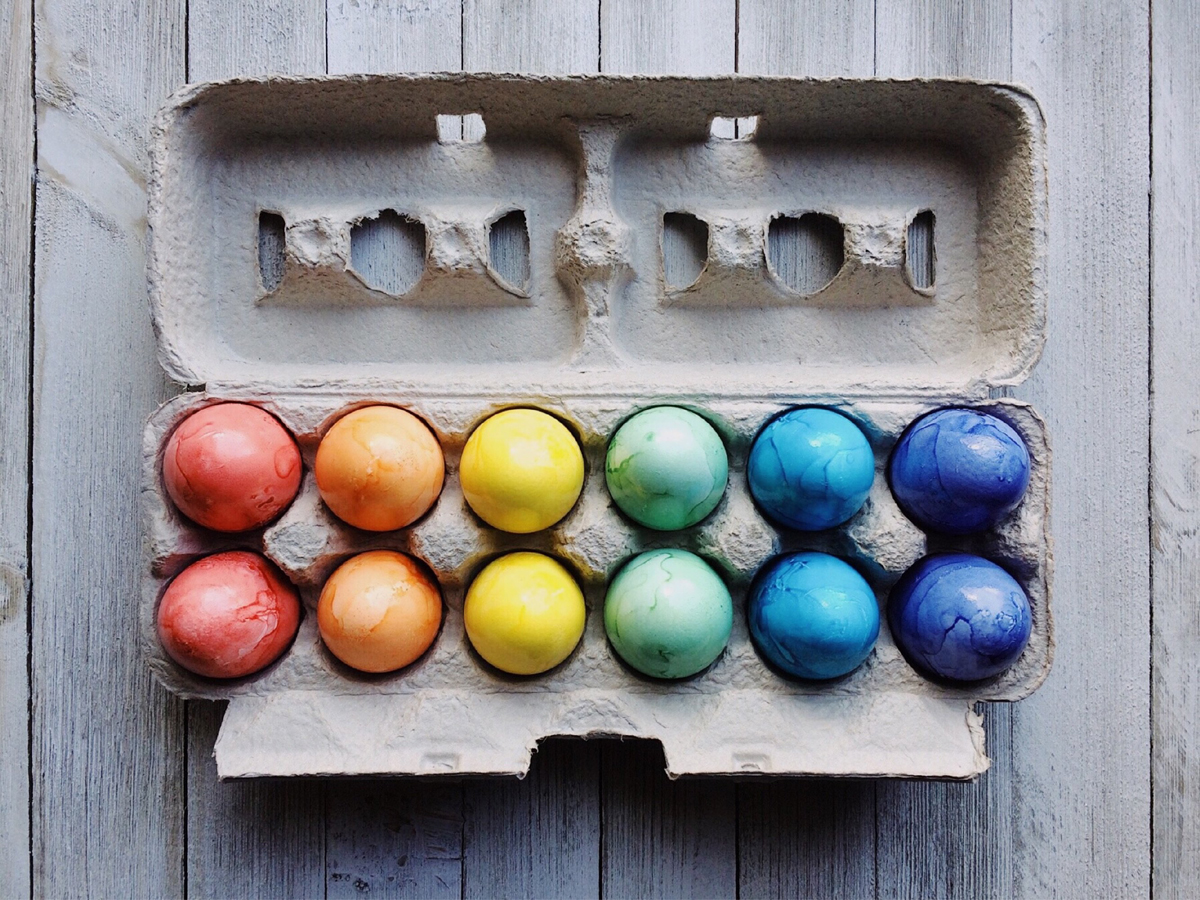
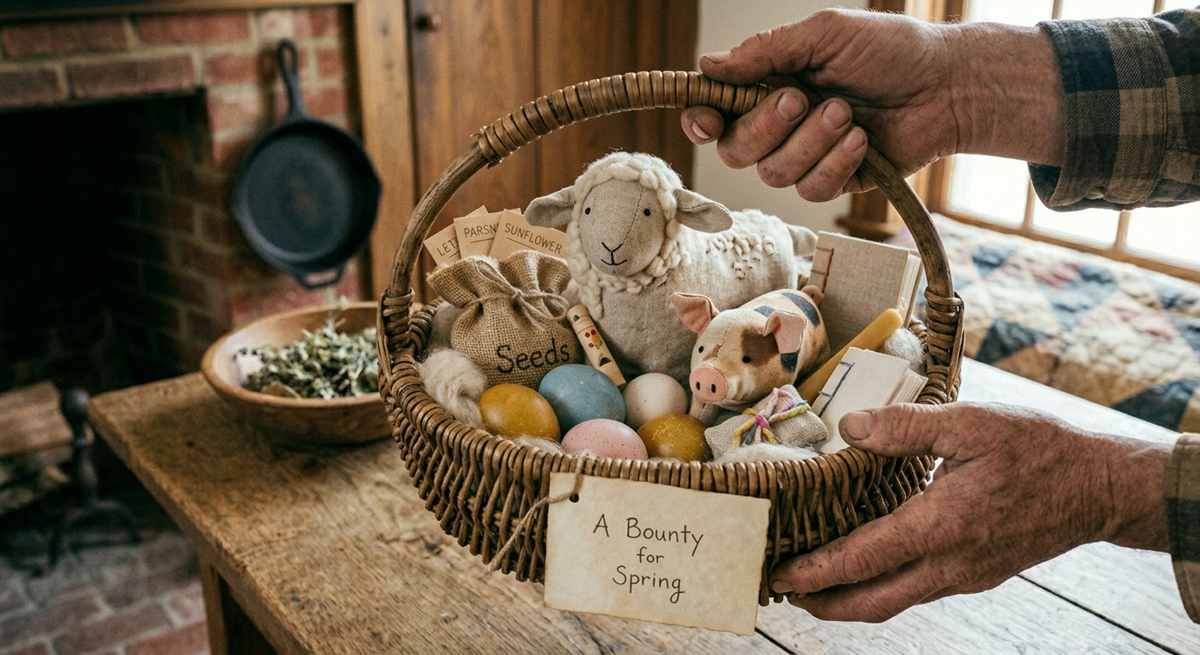
- The Eggs: These are the heart of the basket. Use real wood-fired or hard-boiled eggs dyed with natural dyes (onion skins for gold, red cabbage for blue).
- The “Hare”: While a live rabbit is a bit much for a basket, a hand-sewn calico bunny or a carved wooden rabbit is a perfect for the basket.
- Small Wonders: Hide little surprises inside “hollows.” While they didn’t have plastic eggs, you can wrap small maple candies, dried fruits, or nuts in scraps of lace or fabric tied with twine.
- The Heirloom Toy: On the frontier, a gift for a child was often a labor of love. In place of a store-bought trinket, consider a small hand-carved wooden top, a simple corn-husk doll, or a small critter sewn from calico scraps and stuffed with wool. These handmade treasures were built to last and often became cherished mementos passed down through the family.
- Practical Joy: Consider adding a packet of heirloom seeds or a small jar of preserves. It’s a gift that promises a future harvest.
Step 4: The Finishing Flourish
A pioneer wouldn’t have rolls of cellophane, but they did have a sense of pride in presentation. To keep your items secure and clean:
- The Wrap: Use a clean piece of muslin or a linen tea towel to line the basket or draped over the top.
- The Ribbon: Use a simple strip of scrap fabric or a bit of homespun yarn. Keep the bow modest—you want the recipient to marvel at the contents, not the string holding them in.
Step 5: A Personal Word
Communication moved slowly in the 1800s, making a written note incredibly precious.
- The Tag: A simple piece of heavy parchment tied with a bit of jute will do.
- The Message: Write a short note wishing the recipient a “bountiful season” or “joy in the new light.” In the spirit of the frontier, a few heartfelt words mean more than a store-bought card ever could.
A Note on Modern “Trading”: > Even if you’re miles apart, you can still share the spirit. If you can’t hand-deliver a basket of goods, a simple “scrip” (or gift card) is a modern way to let your kinfolk choose exactly what their own homestead needs this spring.
The Author:
Pioneerthinking.com: Ingredients for a Simple Life. Insights from a seasoned professional rooted in country living, with 28 years of horticulture expertise and over two decades of practical experience in homesteading, natural beauty and cosmetic creations, natural health, cooking and creative living.
Photo. Gemini