What Breed of Chickens Lay Brown Eggs
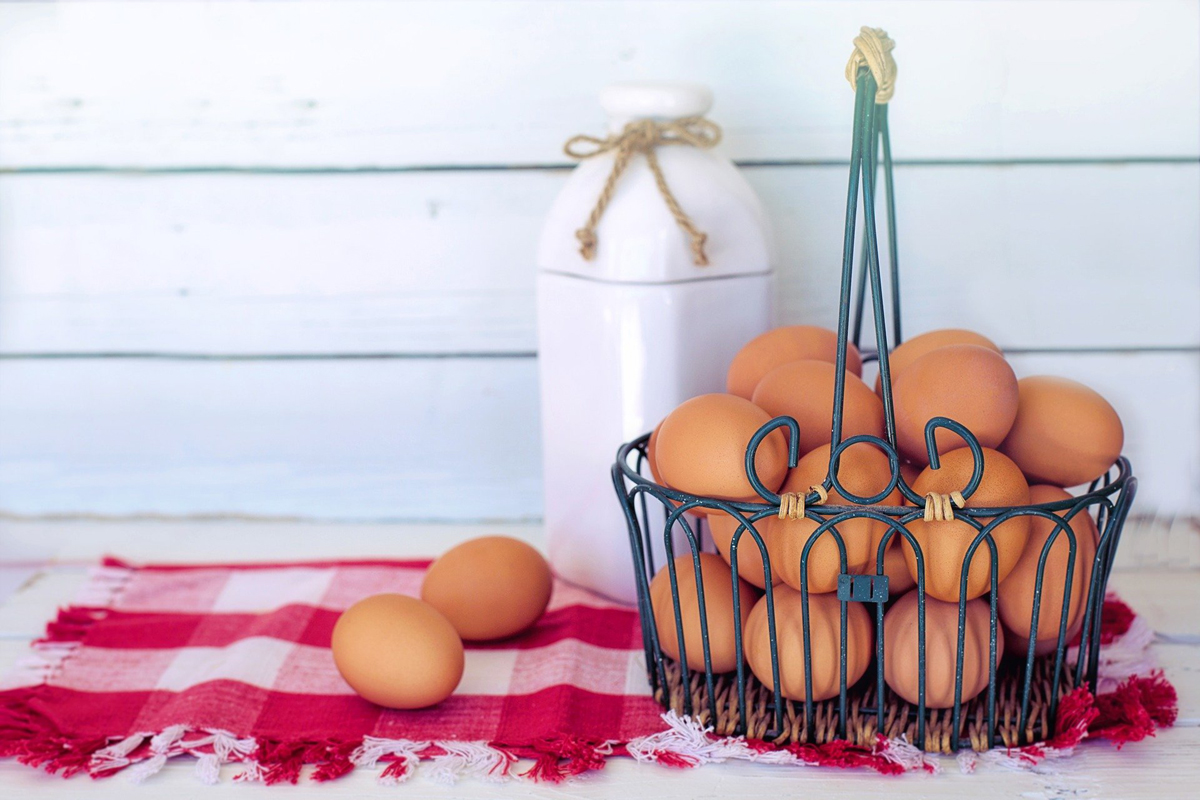
There are all kinds of myths and misconceptions about what chicken will lay what kind of egg. You may have heard that the color of the chicken plays a role in the color of the egg, this is a common misconception. Below are some of the most common chickens that lay brown chicken eggs as well as the age you can expect them to begin producing.
Golden Comet Chickens
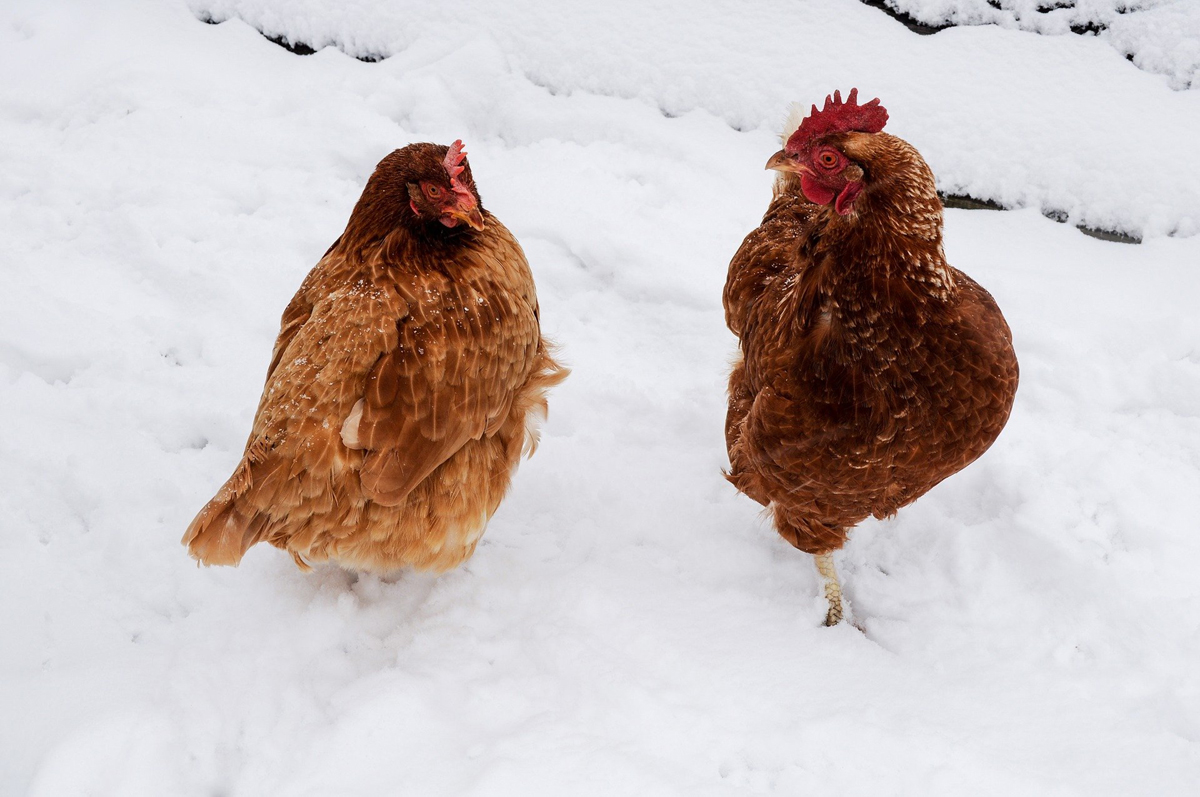
Golden Comet Chickens lay beautiful brown eggs and although some people believe rich in color rich in taste white eggs are just as nutritious as brown. These chickens mature at an early age, generally laying by 4-5 months and they lay golden brown eggs of excellent quality. The size of the egg is most always either large or extra large. She is a low maintenance bird that does not need protection from colder weather.
A Golden Comet Chicken is a quite a quiet bird. She is the perfect bird for your back yard, or smaller egg hatchers because of their low maintenance. Golden Comet Chickens are golden red and has beautiful white under feathers. However, you can also find these hens with White feathers with red tips.
Rhode Island Reds
Rhode Island Red chickens will also lay beautiful large brown eggs. They are used for both meat and egg laying; this is what you call a utility chicken. They are one of the more beautiful chickens around; they have reddish and maroon feathers with red/orange eyes and yellow feet. One of their other beautiful features are their reddish brown beaks. The Rhode Island Red is also a show bird because of their beauty.
Rhode Island Reds lay a variety of brown eggs some are light brown and other can lay very dark brown eggs. They can lay 250 to 300 eggs a year. These eggs are almost always extra large eggs. These hens like to be feed more and have a great diet they also like to have good weather standards of comfort, such as cool in the summer and warm in the winter. The better treatment they have the more and bigger eggs they will give you.
Conclusion
The most common way to find out what color egg your chicken is going to hatch is to look in their ear area. There is a tiny tuft close to where the ear would be that would tell you what color the eggs they will lay will be. You cannot look at the total color of their feathers to tell what color eggs they will be hatching. Here are several other varieties of chickens that lay brown eggs are:
- White, Silver Laced, and Columbian Wyandot
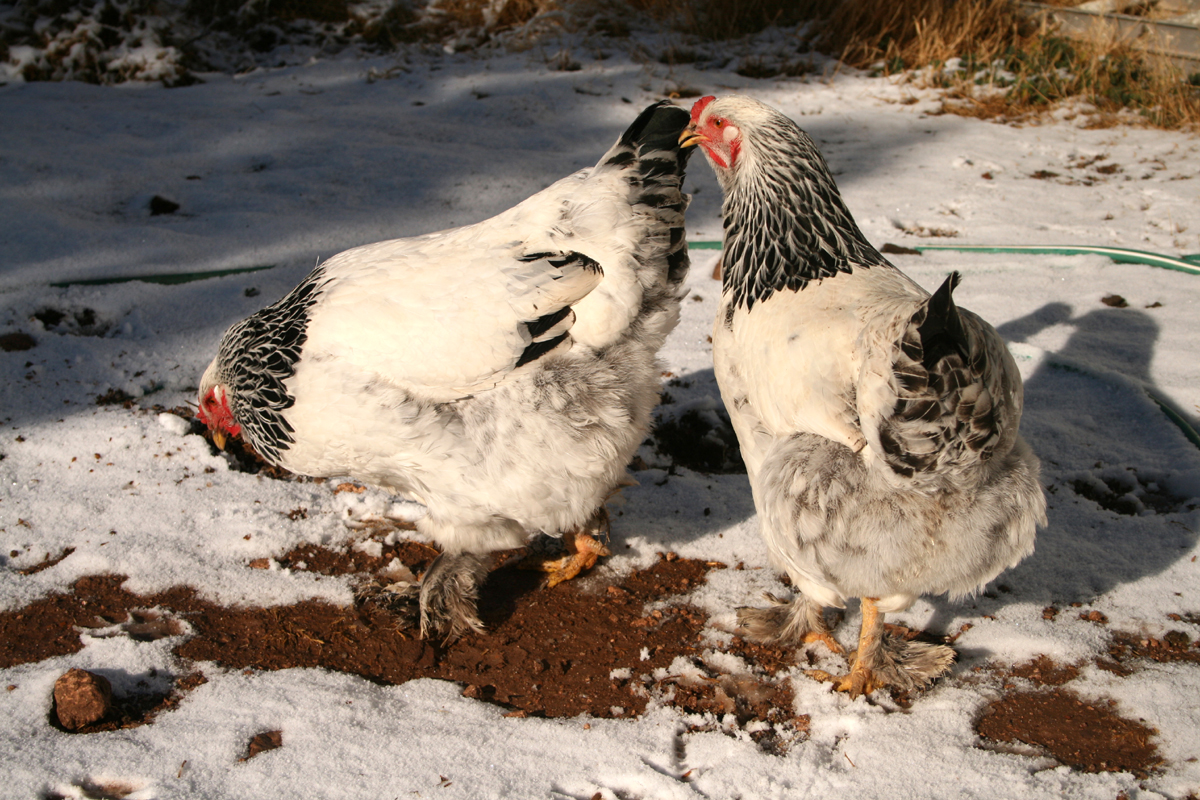
- Light Brahmas, Buff Rocks, Delaware, Sussex, Turkens
- Buff and White Orrington’s
- Red Star and Black Stars
Golden Comet Chickens and Rhode Island Reds are two of the most beautiful chickens that produce brown and larger eggs than others. Both of these birds would be great choices for laying hens, and the Rhode Island Red can even be used for meat.
The Author:
Suzie O’Connor s a poultry expert who helped customers build productive, healthy flocks right in their own backyards.
Photo. Jill Wellington
Source: EA
📜 From the Pioneer’s Coop: A Historical Perspective
by pioneerthinking.com
While modern backyard keepers often choose chicken breeds for egg color or personality, the pioneers of the 19th century viewed their flock as a critical engine of the farm. For a settler, a chicken wasn’t just a pet—it was a reliable source of protein, pest control, and “pin money” (small amounts of cash earned by selling surplus eggs at the market).
The “Dual-Purpose” Philosophy
Pioneers rarely kept separate breeds for meat and eggs. They favored “dual-purpose” heritage breeds like the Plymouth Rock or Rhode Island Red. These birds were prized because they were hardy enough to survive harsh winters without supplemental heat, productive enough to provide eggs for the kitchen, and large enough to provide a Sunday dinner when their laying days were over.
Feed and Fodder
Before commercial crumbles existed, a pioneer’s flock was truly “free-range.”
-
The Kitchen Garden: The flock was often allowed into the garden after the harvest to scratch through the soil, eating leftover insect larvae and dropped seeds.
-
Winter “Greens”: In the depths of winter, settlers would hang a head of cabbage or a bundle of dried alfalfa from the rafters of the coop. This kept the birds occupied and provided essential vitamins when the ground was covered in snow.
-
The Calcium Boost: Pioneers understood that eggshells needed strength. They would save the shells from the eggs they ate, crush them thoroughly (often by fire-drying them first to kill bacteria), and mix them back into the feed as a vital calcium supplement.
The “Clucking” Calendar
Without modern artificial lighting to trick hens into laying through the winter, the pioneers lived by the natural “laying calendar.”
-
The Spring Flush: As the days lengthened, the flock would reach peak production. This was the time for heavy baking and preserving eggs in lime water or “water glass” (sodium silicate) to store them for the months ahead.
-
The Broody Hen: Pioneers relied on “broody” hens—those that naturally sat on eggs—to hatch the next generation of the flock. A dedicated hen was considered one of the most valuable assets on the farm, as she saved the farmer the trouble (and expense) of finding new stock.
Old-Fashioned Nesting Wisdom
To encourage hens to lay in the coop rather than hidden in the hayloft, pioneers would use “nest eggs”—a smooth, round river stone or a hollowed-out porcelain egg—placed inside the laying box. It was a simple, psychological trick that signaled to the hen that this was the safe, correct place to leave her clutch.