
Calendula Remedies: Your Guide to Natural Healing
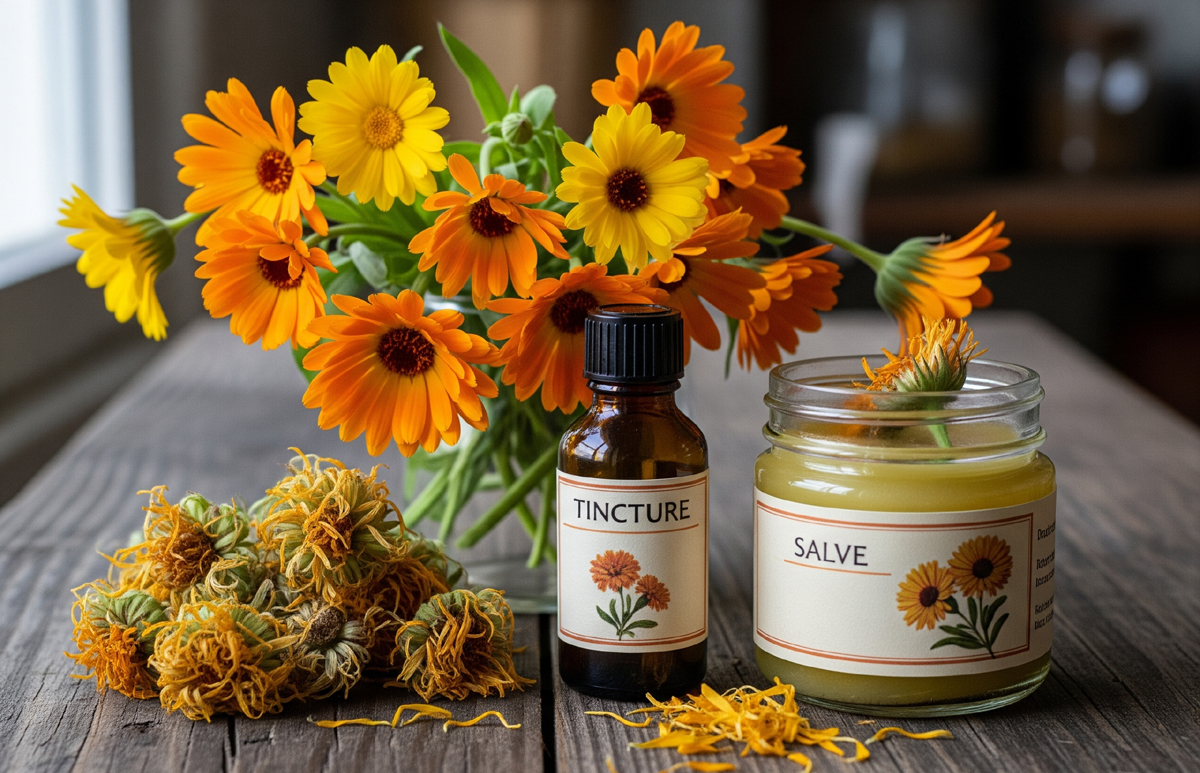
Marigold, scientifically known as Calendula officinalis, is a vibrant plant revered for centuries for its profound medicinal properties. Often called “pot marigold,” this cheerful flower offers a wealth of natural remedies.
A Quick Note on Varieties: While “marigold” is a common name shared with other garden favorites, all the remedies and instructions in this article rely specifically on Calendula officinalis (the plant pictured here). Common garden marigolds (Tagetes species, such as French or African marigolds) are completely different plants botanically and are not interchangeable for these therapeutic uses, especially internal remedies like teas or sensitive applications like eye washes.
From soothing skin irritations to promoting digestive health, the notable benefits of marigold remedies include wound healing, potent anti-inflammatory effects, and comprehensive skin health promotion.
Traditional Marigold Remedies and Their Uses
Explore the diverse ways marigold has been traditionally used to address various ailments:
- Skin Irritations: Marigold’s natural compounds effectively soothe minor cuts, burns, scrapes, and insect bites. Its anti-inflammatory properties help reduce swelling, redness, and discomfort, promoting quicker recovery.
- Digestive Support: Historically, marigold tea has been a go-to remedy for relieving stomach cramps, easing constipation, and alleviating diarrhea. It’s also believed to gently stimulate bile production, which can significantly improve overall digestion.
- Menstrual Comfort: For centuries, marigold tea has been utilized to alleviate menstrual cramps. The tea’s natural properties are thought to help relax the uterus, thereby easing painful contractions and discomfort.
- Eye Health: Thanks to its inherent antibacterial properties, marigold is an effective natural treatment against eye infections like conjunctivitis (pink eye). A safe, gentle eye wash can be prepared by boiling marigold petals in water, allowing it to cool, and then straining thoroughly.
- Accelerated Wound Healing: Topical application of marigold ointments or balms can significantly promote the healing of various skin issues, including wounds, minor ulcers, and bruises. Its restorative properties aid in tissue regeneration.
- Inflammation Reduction: Whether applied as marigold oil or extract, its topical use is known to reduce inflammation associated with conditions such as rheumatism, arthritis, muscle soreness, and sprains.
Important Note: As with any herbal remedy, always consult your doctor or a qualified healthcare professional before incorporating marigold into your treatment plan, especially if you have existing health conditions or are taking medications.
How to Effectively Use Marigolds in Your Remedies
Discover practical ways to harness the therapeutic power of marigolds:
- Infusions and Teas:
- Preparation: To make a potent marigold tea, steep a handful of dried marigold flowers in hot water for 10-15 minutes.
- Usage: This tea can be safely consumed for internal benefits or used topically as an anti-inflammatory compress for external ailments.
- Ointments and Salves:
- Preparation: Infuse dried marigold petals in a carrier oil (like olive oil or almond oil) over low heat for several hours or weeks. Strain the oil, then combine with beeswax to create a soothing salve.
- Usage: Apply these homemade ointments or salves topically to soothe skin irritations, promote wound healing, and combat minor infections.
- Compresses and Poultices:
- Preparation: A poultice can be made by mashing fresh marigold flowers. For a compress, soak a clean cloth in cooled marigold tea.
- Usage: Apply a poultice directly to bruises, sprains, or sore muscles. A marigold tea compress can be applied to the skin to relieve various irritations and inflammations.
- Tinctures:
- Preparation: Marigold tinctures are created by macerating fresh or dried marigold flowers in a solvent like food-grade alcohol or apple cider vinegar for several weeks.
- Usage: Tinctures can be taken orally (diluted in water) or applied topically to address various health concerns, offering a concentrated form of marigold’s benefits.
Additional Tip for Home Preparation: When preparing marigold remedies at home, always use high-quality, organic dried or fresh marigold flowers to ensure purity and potency. Store prepared remedies in dark, airtight containers in a cool, dry place to maintain their effectiveness.
Safety and Caution with Marigold Remedies
While generally considered safe and non-toxic for most individuals when used appropriately, it’s crucial to be aware of potential safety precautions and side effects associated with marigolds:
- Allergic Reactions: Some individuals may have an allergic reaction to marigolds, especially those sensitive to plants in the Asteraceae/Compositae family (e.g., ragweed, daisies, chrysanthemums). Symptoms may include itching, skin rash, hives, or difficulty breathing. If any adverse reaction occurs, discontinue use immediately and seek medical attention.
- Skin Irritation: Although rare, marigold can cause mild skin irritation in some sensitive individuals when applied topically. It is highly recommended to perform a patch test on a small, inconspicuous area of skin (e.g., inner forearm) before applying marigold products to larger areas.
- Medication Interactions: Marigold contains active compounds that may interact with certain medications. This is particularly relevant for sedatives, blood thinners (anticoagulants), and medications for high blood pressure. Always discuss with your doctor or pharmacist before using marigold for medicinal purposes if you are currently taking any prescription or over-the-counter medications.
- Pregnancy and Breastfeeding: There is insufficient reliable research to definitively determine the safety of marigold use during pregnancy or breastfeeding. As a precautionary measure, it is best to avoid using marigold if you are pregnant or nursing.
- Digestive Sensitivity: While beneficial in moderate amounts, consuming excessive quantities of marigold tea or tinctures may lead to mild digestive issues such as nausea, vomiting, or diarrhea in some individuals. Always adhere to recommended dosages.
Final Important Advice: Always exercise caution when considering any natural remedy or supplement. Prioritize consulting with a qualified healthcare professional, naturopathic doctor, or herbalist before using marigold or any other herb for medicinal purposes, especially if you have underlying health conditions or are on other medications. Your health and safety are paramount.
The Author:
Pioneerthinking.com: Ingredients for a Simple Life. Insights from a seasoned professional rooted in country living, with 28 years of horticulture expertise and over two decades of practical experience in Homesteading, Natural Beauty, Natural Health, and Creative Living.
Photo. Gemini





The flower I see pictured here is a flower I call “calendula,” which is in the title of your article…but you also use the word marigold. The flowers I think of as “marigolds” don’t look like this, though!. I really appreciate the level of detail and instruction for the remedies, but your article doesn’t indicate whether all of these work whether one is working with the flower pictured or any type of “marigold.” Could you clarify that, please?
Thanks so much for reaching out and asking for clarification! It is a very common point of confusion since common names can vary so widely.
To clear up the distinction: all the remedies in this article rely specifically on Calendula officinalis, commonly known as pot marigold (the flower pictured).
Common garden marigolds (Tagetes species, such as French marigolds or African marigolds) are completely different plants botanically, even though they share the same common name in everyday gardening talk. While some Tagetes species have interesting properties in the garden (like deterring pests), they are not interchangeable with Calendula officinalis when it comes to internal use like teas, or sensitive applications like eye washes and skin salves.
When making these recipes, you will want to make sure you are specifically sourcing or growing Calendula officinalis to get the therapeutic benefits safely and effectively!
I’ve updated the article for clarification. 🙂