Clutter’s Side Effects: How the State of Your Home Affects Your Life
Each area of your home has a symbolic meaning with which you resonate on a subconscious level. Clutter and untidiness within each of these areas causes constriction and inertia in the corresponding aspects of your life.
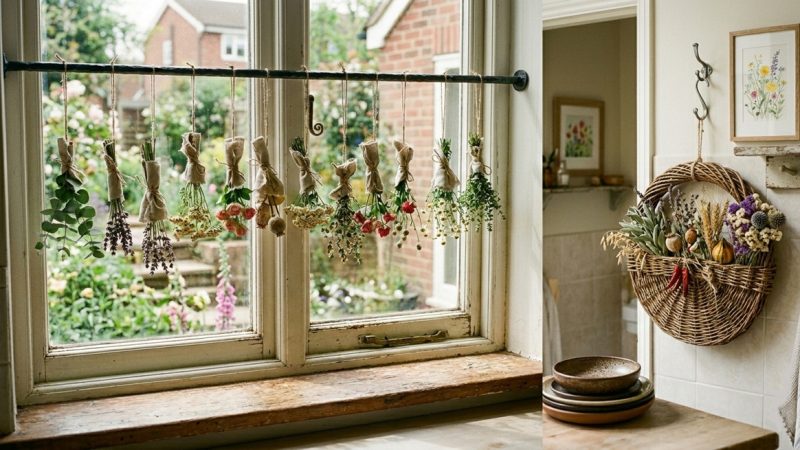
Clutter in The Kitchen
The kitchen has been called the “heart of the home,” and with good reason. Here we are nourished and provided for, even if we are dining on a frozen entrée zapped in the microwave rather than a homemade meal lovingly presented by Mom. An untidy and disorganized kitchen makes it hard to nourish yourself and others, on both physical and metaphysical levels. How you care for your kitchen is a clue about whether you are giving proper attention to your own nourishment and sources of abundance. Cleaning up and de-cluttering your kitchen opens up space for you to receive the support and comfort that you need in life.
Living and Dining Room Clutter
These are spaces where you mingle with and honor your relationships with family and friends. Here you engage with the world while being at home through watching television, reading the paper, or arguing politics with old friends over dinner. Clutter can turn these social spaces into dens of isolation, especially if the mess is so bad that it has been years since you’ve invited people over. Look around your living and dining rooms to see what they say about your relationship with the rest of the world. Are you hiding your true self from others, burying it in clutter, or putting it on display here?
Cluttered Hallways
Hallways are the arteries and highways of your home. Think of clutter in your hallways as a traffic jam that prevents important connections between different areas of your home and your life. Look at your hallways to see how you feel about your life’s path: are they well lit and easily navigable, or do they trip you up? If you feel a disconnect between work and family, self and others, what you need and your obligations, it may be time to give your hallways a good clearing out.
Bathroom Clutter
Bathing and anointing the body is a preparatory ritual for many religious rites both ancient and contemporary. On a daily basis we use this space to prepare ourselves to meet the world. Clutter in the bathroom can indicate a devaluation of self-worth, a lack of attention to self that goes beyond the physical. A clean, well-decorated bathroom can become a tranquil sanctuary for rejuvenation and self-care. Scented soaps, attractive accessories, and fragrant candles have a place here. Beautifying your bathroom by eliminating clutter and disorder and transforming it into a place of refuge will bring a sense of the sacred into your morning and evening personal-care rituals.
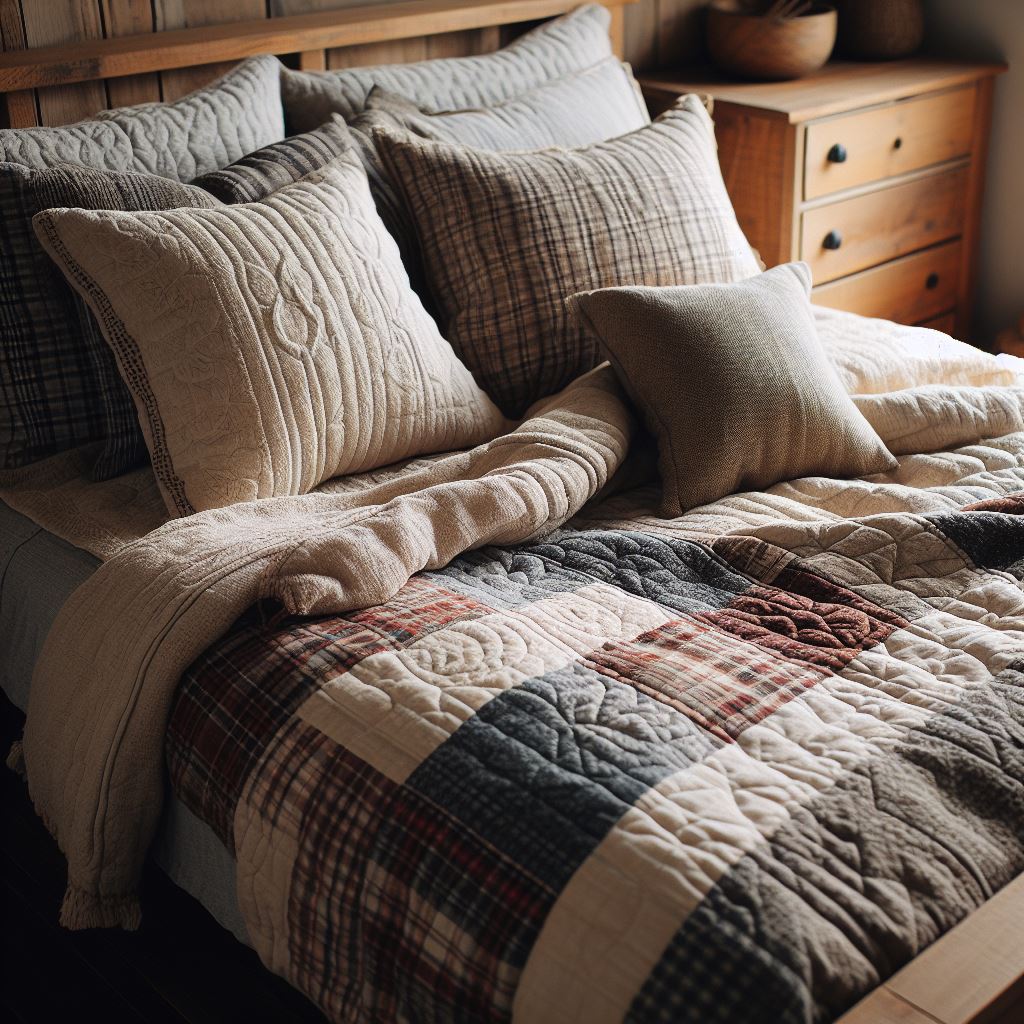
Clutter in The Bedroom
Adults’ bedrooms are for sleeping and intimacy, and they should function as places of renewal for self and relationships. Clutter in the bedroom is enervating without being restful. If you feel “wired and tired,” creating order out of chaos in this most personal space can help you relax and let go of the stress of the day. Then you can get a good night’s sleep or enjoy some special time with your partner.
Cluttered Closets
Closets represent things that are hidden, unknown, or unrecognized. When we fill our closets with clutter, we stifle our ability to be intuitive and insightful. Cluttered closets can indicate problems that you may not be consciously aware of but which impede your progress through life, work, and relationships nonetheless. Keeping the closet door closed is not an effective solution.
Attic and Basement Clutter
A cluttered attic creates a feeling of being under pressure. It’s hard to feel optimistic about the future when there’s so much stuff “hanging over your head.” Ancestor issues reside up there, along with all those boxes and chests holding the detritus of generations. And the basement and other below-ground storage areas are considered abodes of the subconscious, so watch your step and get that clutter cleaned up!
Clutter in Your Garage
Think of your car as a symbol of your mobility, independence, and ability to be self-directed in life. If there’s so much stuff piled up in your garage that you can barely fit the car in there, you may be hampered or overly cautious moving forward in life as well.
Stop thinking of clutter-clearing as a tremendous chore, and start thinking of it as one of the most effective self-improvement tactics available to you. Every magazine and piece of paper you recycle, every book you give to the library, every knick-knack and item of clothing you release to a new owner creates space in your life for new insight, energy, joy, and experiences to come in!
The Author:
Stephanie Roberts is the author of “Fast Feng Shui: 9 Simple Principles for Transforming Your Life by Energizing Your Home”, a #1 most popular feng shui book at Amazon.com.
[excerpted from “Clutter-Free Forever!”, Lotus Pond Press, 2003]
© 2003 Stephanie Roberts
The Heritage Reset: Seasonal Rhythms for the Soul
by pioneerthinking.com
Long before “decluttering” was a modern buzzword, our ancestors practiced seasonal deep-cleaning rituals that served as a physical and mental purge. These “old-fashioned” methods offer profound psychological benefits that modern quick-fixes often miss.
Airing Out the Linens
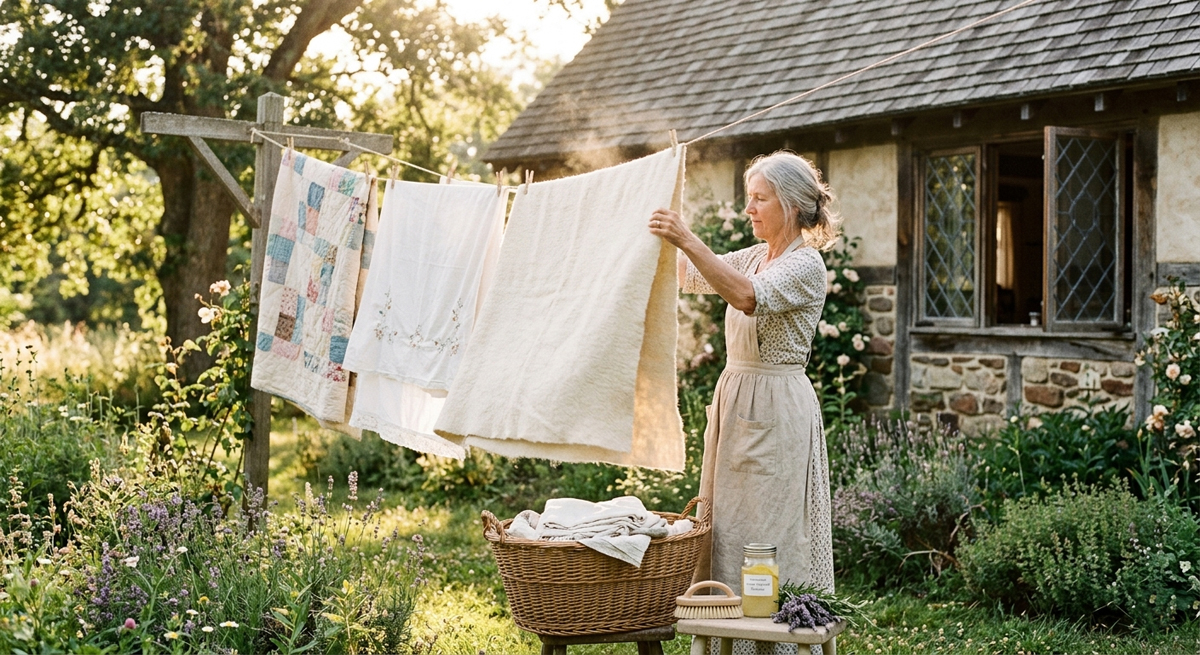
In the traditional home, the arrival of the first warm spring breeze meant stripping the beds and hanging heavy wool blankets and linens on the line.
-
The Psychological Shift: This isn’t just about freshness. The act of taking the “stale” energy of winter—symbolized by heavy, dust-laden fabrics—and exposing it to the sunlight and wind represents a personal renewal. It is a literal “breathing out” of the old to make room for the new.
The “Top-to-Bottom” Spring Clean
Traditional spring cleaning was a methodical process: starting at the attic (the “head” of the house) and working down to the cellar.
-
The Psychological Shift: This hierarchy mirrors the “Clutter’s Side Effects” philosophy. By starting at the top, you are clearing the “mental pressure” of the attic first, creating a sense of clarity that flows downward through the rest of the living spaces.
The Ritual of Scrubbing
There is a meditative quality to the rhythmic scrubbing of a wooden floor or a cast-iron stove.
-
The Psychological Shift: Unlike the frantic pace of modern life, these labor-intensive tasks require mindfulness. When you focus entirely on the grain of the wood or the shine of the metal, you enter a “flow state” that reduces anxiety and grounds you in the present moment.
Pioneer Tip: Instead of viewing these tasks as chores, see them as a heritage-rich meditation. Use your own natural vinegar-based cleaners and essential oils like lemon or rosemary to turn the physical act of cleaning into a sensory ritual of home-blessing.
The Heritage Perspective: Cleansing the Spirit
“Beyond the Feng Shui principles mentioned above, our forebears understood that a home’s ‘clutter’ was often just energy that had lost its purpose. Before rushing to organize, consider the intent of your items. Do they serve your current life, or are they relics of a time that no longer serves you? We’ve found that the most profound ‘side effect’ of decluttering is the space it creates for heritage skills to flourish. When the ‘noise’ of unused gadgets is silenced, you gain the quiet focus needed to bake from scratch, tend to the garden, or mend a worn quilt. Clearing your space is the first step in reclaiming the time to live with intention.”