Food and Water Preps: Burdock
Burdock is a highly nutritious and versatile plant that has been used for centuries as a food source. It is a good source of fiber, antioxidants, and minerals like iron and calcium. The root, leaves, and stems of the burdock plant can be used in cooking to create delicious and healthy dishes. In this article, we will discuss how to use burdock as a food source, including its benefits and preparation methods.
First, let us discuss the different parts of the burdock plant that can be used in cooking. The root of the burdock plant is the most commonly used part. It is brown and hairy on the outside and white and crisp on the inside. The root can be sliced into thin pieces and added to stir-fries or soups. It can also be pickled or made into tea. The leaves and stem of the burdock plant can also be used in cooking. The leaves can be steamed or sauteed, while the stem can be boiled or stir-fried.
One of the benefits of using burdock as a food source is its high fiber content. Fiber is essential for good digestive health and can help regulate blood sugar levels. Burdock root can be added to smoothies or soups to increase the fiber content of the dish. The root can also be pickled and eaten as a snack, providing a healthy alternative to processed snacks.
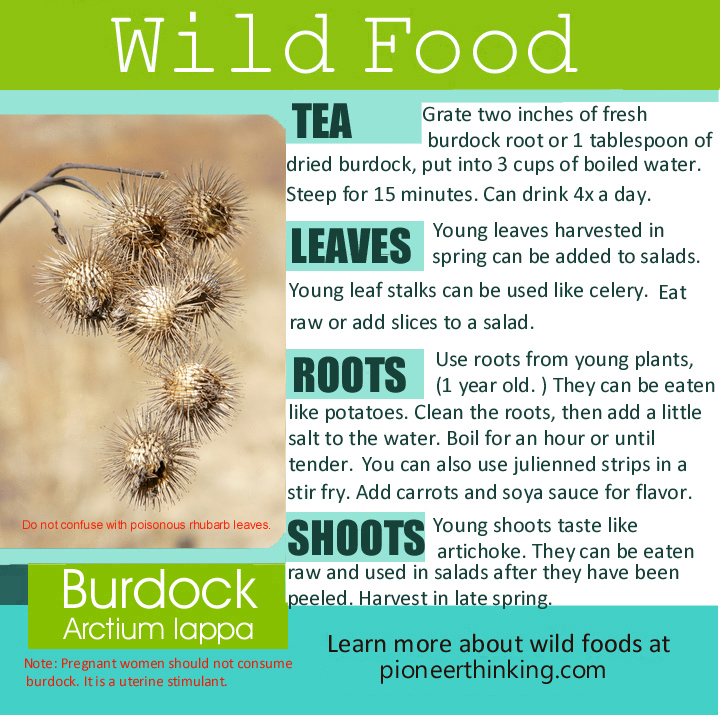
Another benefit of burdock is its antioxidant properties. Antioxidants are important for maintaining good health and preventing chronic diseases. Burdock contains compounds like quercetin and luteolin, which have been shown to have antioxidant effects. These compounds also have anti-inflammatory properties, making burdock a good source of anti-inflammatory nutrients for the body.
Now let us move on to the preparation methods for burdock. Before using burdock, it is important to clean it thoroughly. The root should be scrubbed with a vegetable brush and rinsed in cold water. The leaves and stem should also be rinsed in cold water. Once cleaned, the root can be sliced thinly or cut into small pieces for cooking. The leaves can be steamed or sauteed, while the stem can be boiled or stir-fried.
One simple method for using burdock root is to add it to a stir-fry. Heat a tablespoon of oil in a pan and add sliced burdock root, along with other vegetables like carrots, broccoli and peppers. Add some soy sauce and stir-fry for a few minutes until the vegetables are tender.
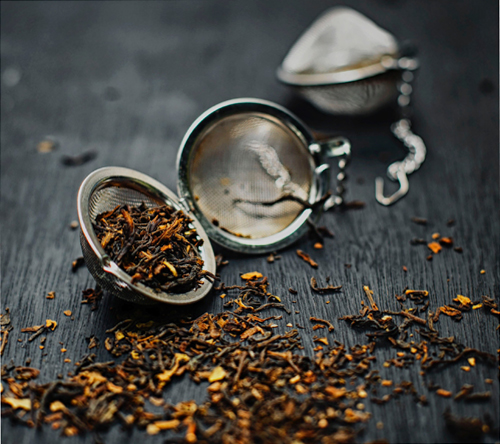
Another way to use burdock root is to make a tea. Boil some water and add a few slices of burdock root. Let it steep for a few minutes and then strain the liquid. This tea can be drunk hot or cold and is a good source of antioxidants and anti-inflammatory compounds.
Burdock is a highly nutritious and versatile plant that can be used as a food source. It is a good source of fiber, antioxidants, and minerals like iron and calcium. The root, leaves, and stem of the burdock plant can be used in cooking to create delicious and healthy dishes. Burdock can be added to stir-fries, soups, and teas, providing a healthy alternative to processed snacks. It is important to clean burdock thoroughly before using it and to enjoy it in moderation to reap its health benefits.
Foraging for burdock is a rewarding way to connect with the heritage of the land, but it requires a careful eye and a commitment to safety. Because the roots, leaves, and stems are all usable, you must be certain of your identification throughout the plant’s life cycle.
How to Identify Burdock
Burdock is a biennial plant, meaning it has a two-year life cycle. Identification looks different depending on the season and the age of the plant.
1. The Leaves (First and Second Year)
-
Size and Shape: The leaves are large and heart-shaped, sometimes reaching up to two feet in length.
-
Texture: They have a distinct “woolly” or fuzzy underside that is lighter in color than the dark green top.
-
Stem: The leaf stalks are typically hollow.
2. The Root (The Harvest Goal)
-
Appearance: The taproot is long, slender, and can grow quite deep into the earth.
-
Color: It features a brownish, earthy skin and a crisp, white interior.
-
Best Time to Dig: For the best culinary quality, harvest the root in the first year or early in the second year before the plant flowers.
3. The Flower and Burrs (Second Year)
-
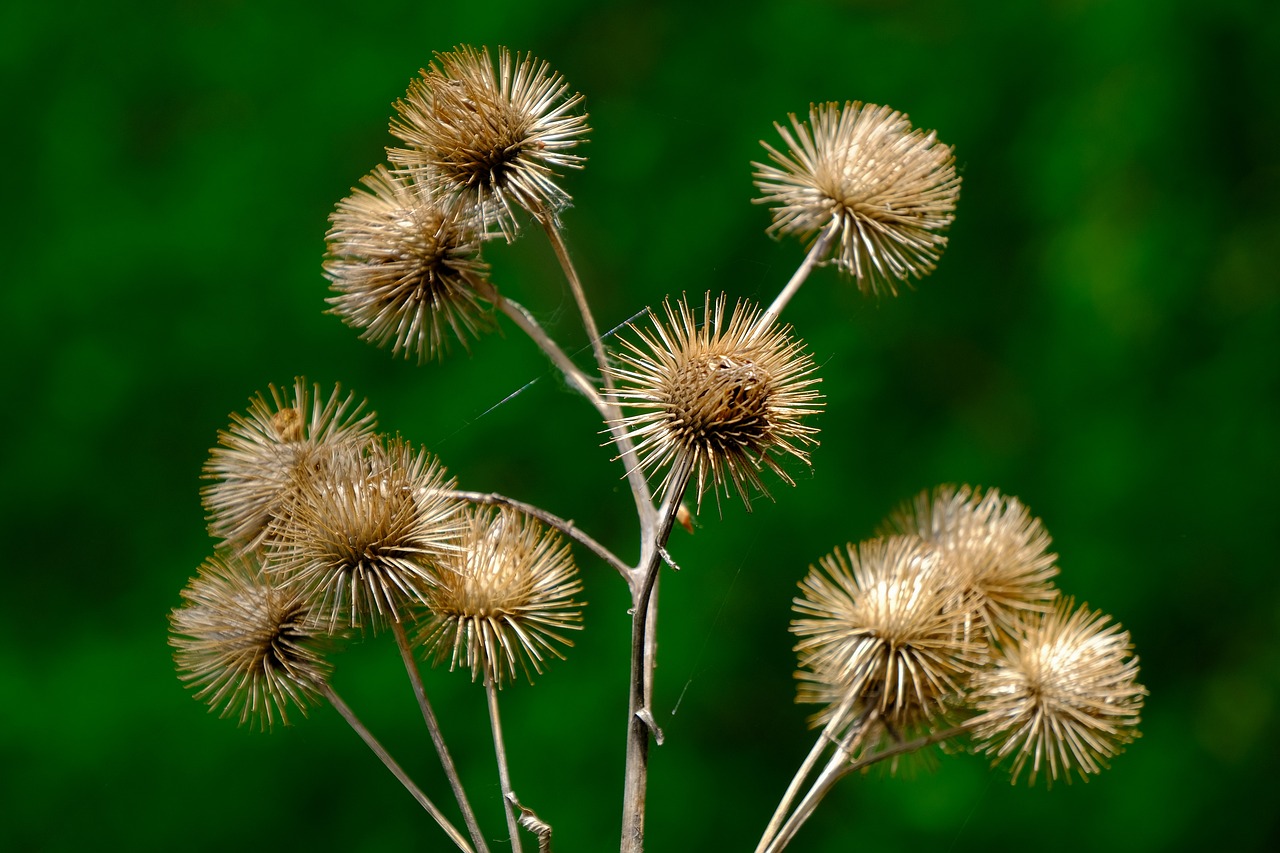
Flowers: In its second year, the plant sends up a tall stalk with purple, thistle-like flowers.
-
The Burrs: After flowering, the plant produces the iconic brown, hooked burrs seen here.
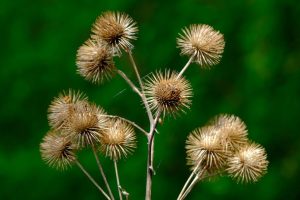 These hooks are designed to catch on fur and clothing to spread seeds.
Safety Guidelines for Foragers
-
Positive Identification: Never consume a plant unless you are 100% certain of its identity.
-
The “Look-Alike” Rule: Be careful not to confuse young burdock leaves with Rhubarb (which has poisonous leaves) or Cocklebur. While burdock leaves have a fuzzy underside, rhubarb leaves are smooth.
-
Location Matters: Burdock is a bioaccumulator, meaning its deep taproot can soak up pollutants from the soil. Avoid harvesting from:
-
Roadsides or ditches where runoff occurs.
-
Industrial areas or former factory sites.
-
Fields treated with chemical pesticides or herbicides.
-
-
Thorough Cleaning: Always scrub the root with a vegetable brush and rinse all parts of the plant in cold water to remove dirt and debris before preparation.
-
Moderation: Like any new wild food, introduce burdock into your diet in moderation to ensure it agrees with your digestive system.
The Pioneer View: Mastery of the Wild Garden
To a pioneer, the world outside the kitchen door was an extension of the pantry. Moving this knowledge into the realm of “Wildcrafting” is a return to that traditional mindset where we see potential instead of pests.
Harvesting burdock is a lesson in patience and strength—digging that long taproot requires a sturdy shovel and a bit of determination. But the reward is a food source that is entirely free, incredibly nutritious, and deeply connected to the heritage of the land. It is the ultimate expression of living an inspired, self-reliant life
The Author:
Pioneerthinking.com: Ingredients for a Simple Life. Insights from a seasoned professional rooted in country living, with 28 years of horticulture expertise and over two decades of practical experience in homesteading, natural beauty and cosmetic creations, natural health, cooking and creative living.
Photo. Nicky Pe