Harvesting The Last of The Summer Crops
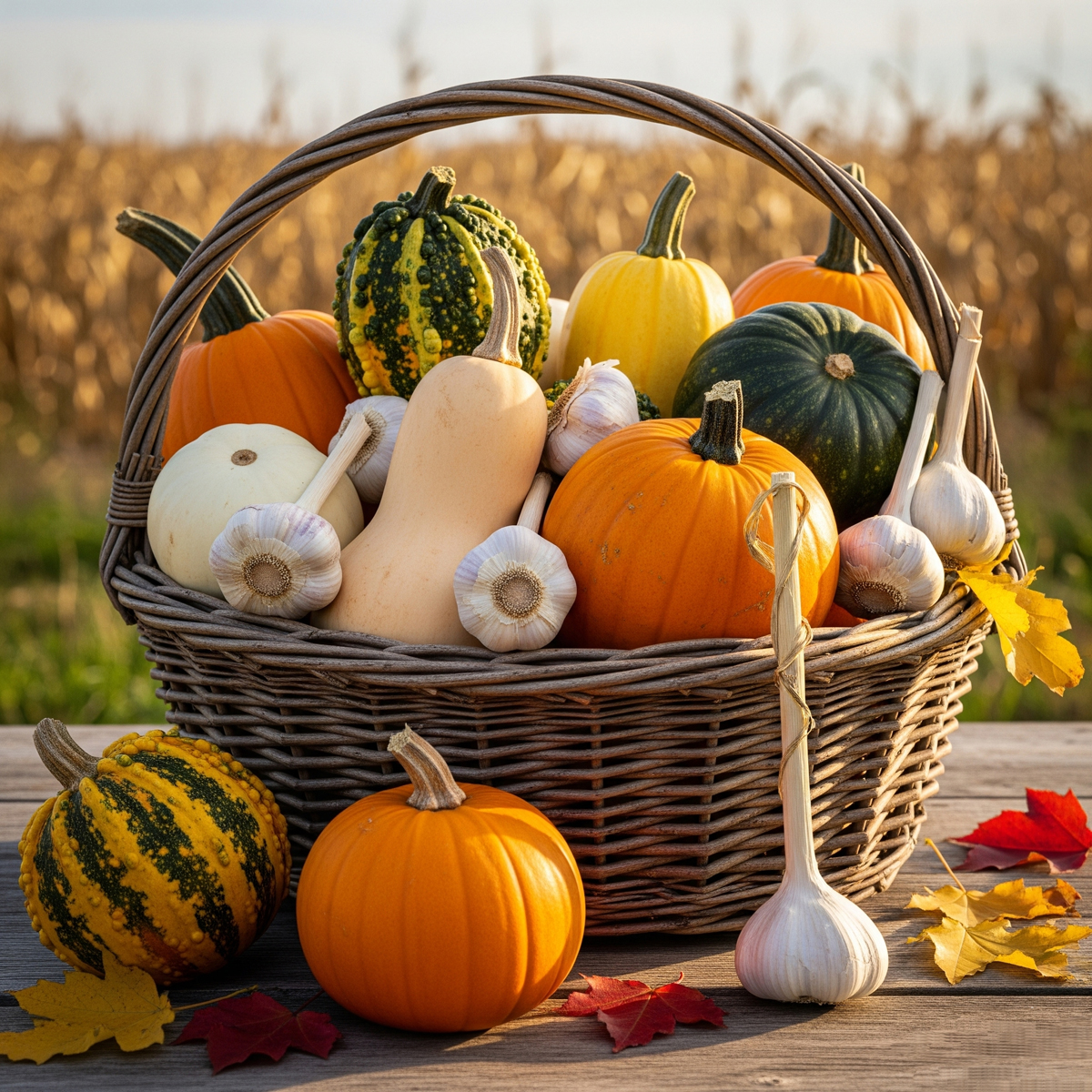
As summer winds down, the garden offers one last burst of abundance. This final harvest is a rewarding moment for any gardener, providing an opportunity to gather, cure, and store crops for the colder months. Mastering the art of late-season harvesting ensures your hard work yields delicious rewards that can be enjoyed all winter long.
Knowing When to Harvest
Timing is everything. Harvesting at the right moment ensures maximum flavor and longevity. Here’s how to tell if your fall crops are ready to pick:
- Pumpkins: A ripe pumpkin will have a deep, solid color and a firm rind that resists being punctured with a fingernail. When you tap it, it should sound hollow. The stem should also be dry and brown, indicating the vine is no longer providing nutrients.
- Winter Squash: Look for a deep, rich color and a hard, tough skin. A good rule of thumb is to harvest before the first hard frost, which can damage the squash and shorten its storage life.
- Garlic: Garlic is ready when the lower leaves begin to turn brown and dry, but the top leaves are still green. This usually happens in mid to late summer.
Expert Harvesting and Curing Techniques
Proper technique is crucial for a successful harvest that stores well.
The Right Way to Harvest
- Use the right tools: A sharp knife or garden shears will give you a clean cut without damaging the plant. For garlic, gently loosen the soil around the bulbs with a garden fork before pulling them to avoid bruising.
- Handle with care: Treat your crops gently to avoid cuts and bruises. Any damage can lead to rot during storage, so be mindful of how you handle each piece.
The Importance of Curing
Curing is a vital step that hardens the skin, improves flavor, and extends the shelf life of your crops.
- Pumpkins and Winter Squash: Place them in a warm, dry area with good air circulation for about 10–14 days. This process allows the skin to harden and the sugars to concentrate, intensifying their flavor.
- Garlic: Hang garlic in bundles in a cool, dark, and well-ventilated space for about 2–3 weeks. Curing dries the outer layers, making the bulbs easier to store for months.
Storing Your Harvest for the Winter
Once cured, it’s time to store your crops so they can be enjoyed throughout the winter.
- Pumpkins and Winter Squash: Find a cool, dark location with a temperature between 50–60°F. Avoid stacking them, as this can cause bruising and reduce airflow.
- Garlic: Store in a cool, dark, and dry place. A mesh bag or a basket is ideal, as it allows for essential air circulation and prevents mold.
Cultivating a Deeper Connection to Your Garden
The joy of gardening extends far beyond the harvest. By connecting with fellow gardeners and sharing your journey, you can enhance your experience and deepen your knowledge.
Engage with the Community
- Join local clubs: Many communities have gardening clubs where members share tips, seeds, and local knowledge.
- Participate in online forums: Platforms like online forums and social media groups are great for asking questions, sharing photos, and learning from experienced gardeners around the world.
- Attend workshops: Look for local events and workshops focused on gardening. These hands-on classes and seasonal festivals can deepen your understanding and appreciation of growing your own food.
Document Your Journey
Consider keeping a gardening journal to track your progress. Note what worked well, what didn’t, and any new techniques you discover. This becomes a valuable resource for future planting seasons and a personal record of your hard work.
Ready to Cultivate More Than Just Crops?
As you wrap up your summer harvest, take a moment to reflect on the satisfaction and joy that gardening brings. Whether you’re a seasoned pro or just starting out, there’s always something new to learn and share.
Join our community of gardening enthusiasts today to connect with fellow growers, exchange tips, and celebrate the beauty of cultivating your own food. Let’s grow together!
The Author:
Pioneerthinking.com: Ingredients for a Simple Life. Insights from a seasoned professional rooted in country living, with 28 years of horticulture expertise and over two decades of practical experience in homesteading, natural beauty, natural health, cooking and creative living.
Photo. Gemini