Home Remedies for Psoriasis
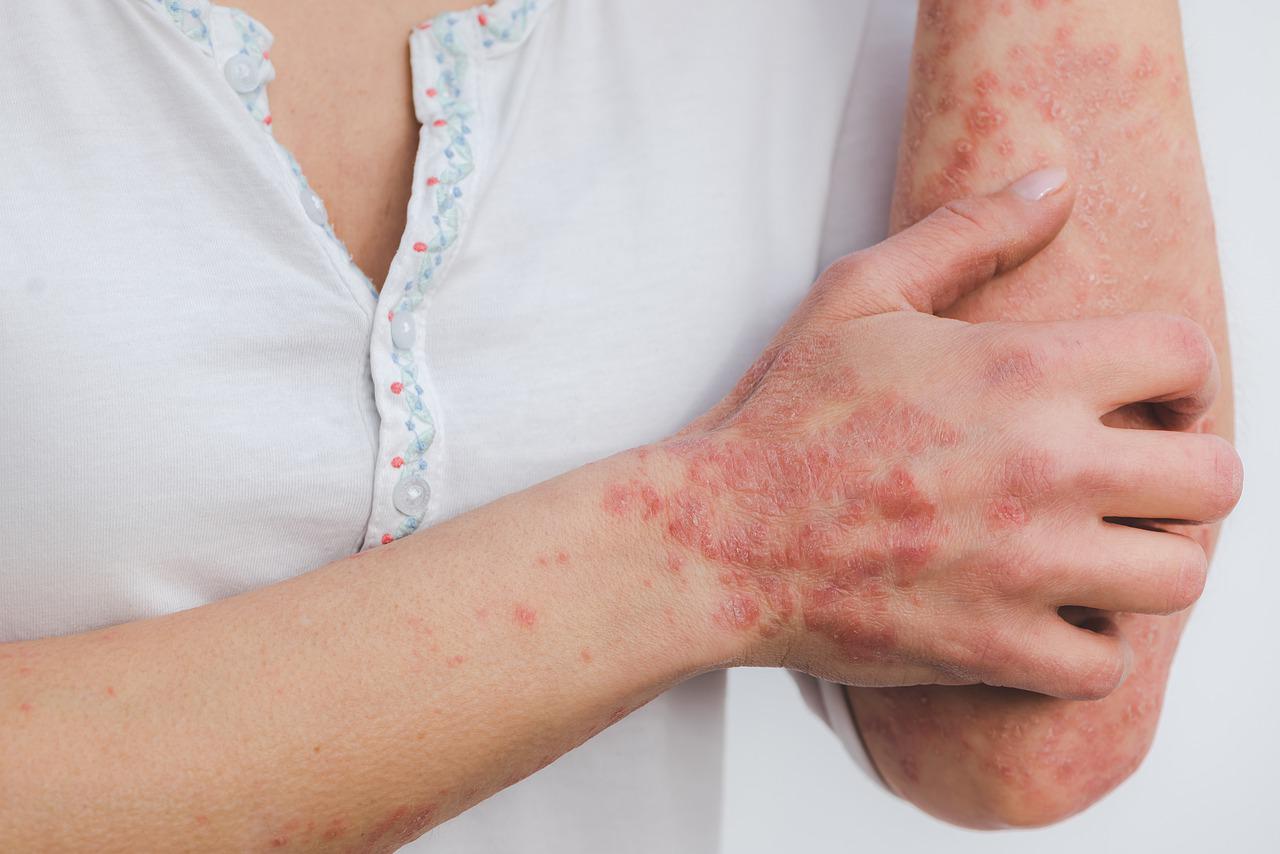
In the heritage garden and kitchen, we view the skin as a reflection of internal balance. Psoriasis, characterized by its rapid “runaway” cell growth, is a challenge met with patience, deep moisture, and the soothing power of the botanical larder.
When your skin feels like it has lost its brakes—producing new cells in three days instead of thirty—it is time to return to the Frontier Pharmacy: a collection of slow, intentional, and hydrating rituals that are safe for the whole family, including children and expectant mothers.
The Botanical Compress: Garden-to-Skin
The garden holds more than just food; it holds topical relief. These traditional applications focus on cooling the “heat” of a flare-up using simple, external ingredients.
The Savoy Cabbage Wrap
Cabbage is a staple of the traditional garden, valued for its natural sulfur and cooling properties. It acts as a drawing agent to reduce the angry redness of a psoriasis plaque.
-
The Recipe: 1 large, fresh leaf of Savoy or Green Cabbage (organic is best).
-
The Method: 1. Wash the leaf thoroughly and pat dry. 2. Use a knife to carefully cut out the thick, woody center vein so the leaf can lay flat. 3. Place the leaf on a clean surface and bruise it slightly with a rolling pin or the back of a large spoon until it becomes limp and releases a small amount of juice. 4. Apply the bruised side directly to the affected skin. 5. Secure it with a clean linen or cotton strip and leave it for one hour.
The “Larder Lock” Ritual
Preventing water evaporation from the skin is the most important step in managing the scaling and itching of psoriasis. We call this the Larder Lock.
The Lukewarm Soak
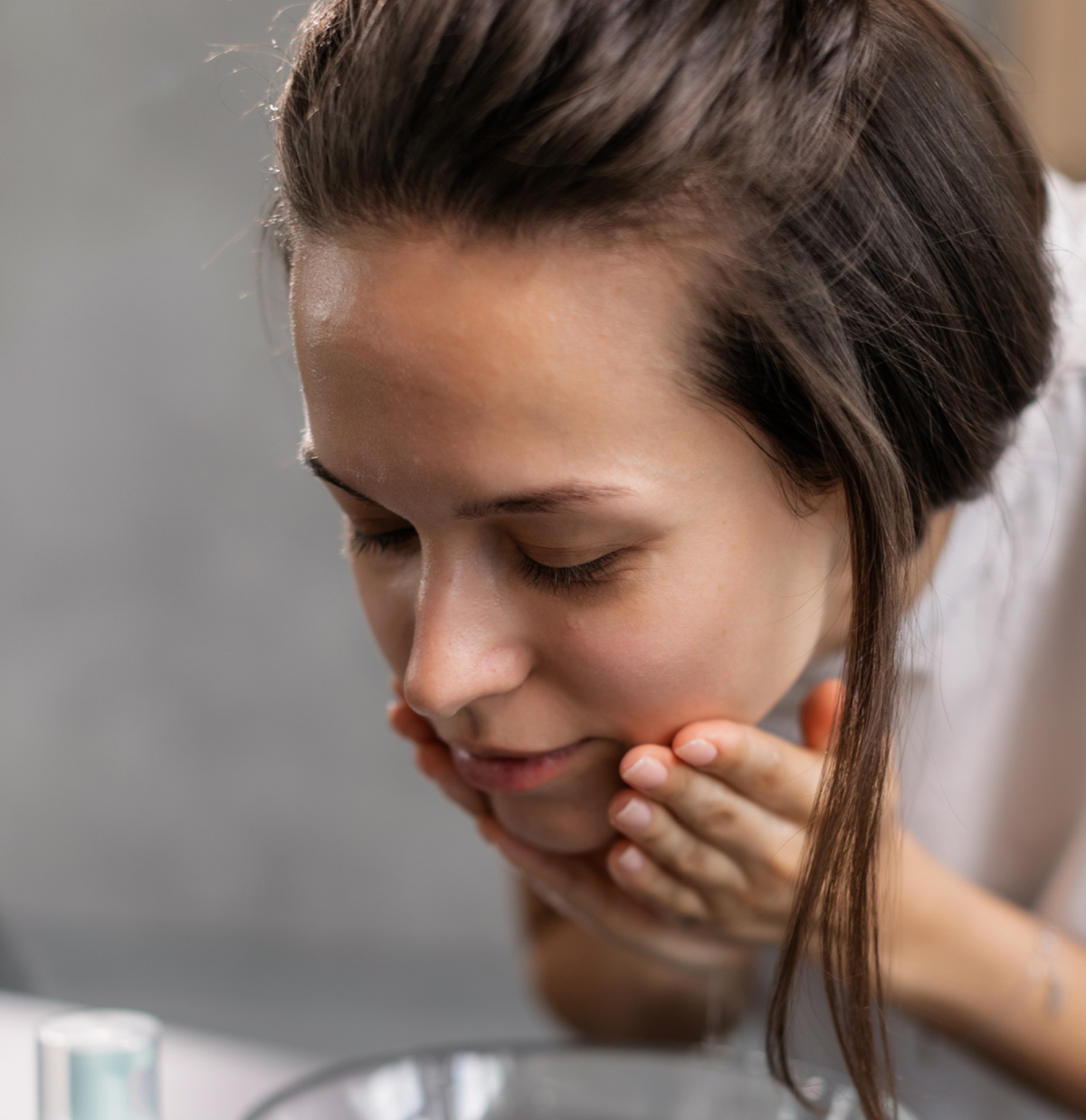
Avoid hot water, which strips the skin’s natural oils. This bath balances the skin’s pH and calms the intense “itch.”
- The Recipe: * 1 cup of finely ground Colloidal Oats (you can grind plain rolled oats in a blender until they are a fine powder).
-
-
1 cup of raw Apple Cider Vinegar (optional for adults; for children, use the oats alone).
-
-
Directions: Dissolve the oats and vinegar into a lukewarm bath. Soak for 15–20 minutes.
The Immediate Seal
Within three minutes of stepping out of the bath, blot the skin gently with a soft towel—do not rub, as this can trigger a “Koebner phenomenon” (new plaques forming from skin trauma). While the skin is still damp, apply your barrier.
Heritage Fats
For the best “staying power,” reach for fats that mimic the skin’s natural sebum.
-
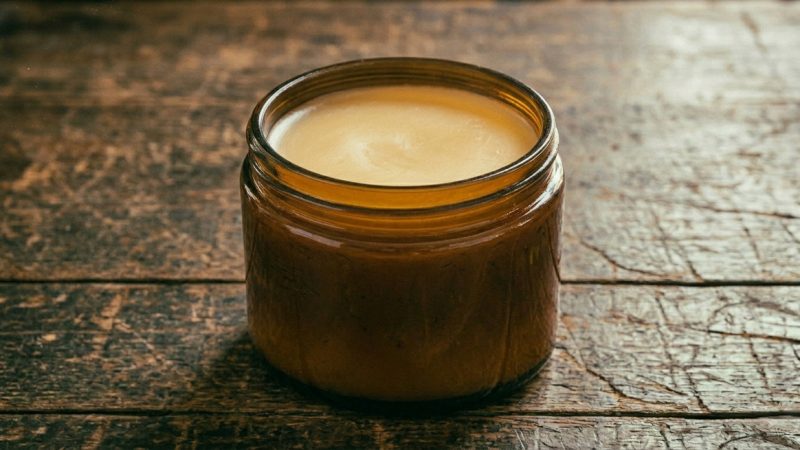
The Recipe: * 2 tablespoons of Grass-Fed Tallow or Calendula-Infused Olive Oil.
-
Optional: Melt with 1 teaspoon of Beeswax for a firmer, portable salve.
-
-
The Method: Warm the fat between your palms and massage it deeply into the plaques. This creates a breathable waterproof seal that lasts much longer than modern, water-based lotions.
Movement as Medicine
Psoriasis often involves the joints, making mobility a priority for long-term comfort.
-
Low-Impact Flow: Gentle stretching or daily chores maintained a range of motion for our ancestors. For the modern pioneer, practices like Tai Chi help manage the stress that often triggers a flare-up while keeping joints fluid.
-
The Sun’s Blessing: Controlled exposure to natural morning sunlight was the original “phototherapy.” A 10–15 minute walk in the morning sun can help slow down overactive skin cells. Always protect the healthy skin around the plaques with clothing to avoid overexposure.
Historical Roots: Pioneers and the “Itch”
While “psoriasis” as a specific medical term was evolving in the 1800s, pioneers frequently dealt with “the itch” or “scaly tetter.” Their remedies were born of necessity and what was available in the wagon or the garden:
-
The Cabbage Cure: The use of cabbage leaves for skin inflammation dates back centuries in European folk medicine. Settlers brought this knowledge to North America, using “cabbage poultices” for everything from nursing discomfort to skin ulcers and scaly patches.
-
Tallow & Lard: Before the invention of petroleum jelly in the late 1800s, animal fats were the primary medicine for skin. Lard and tallow were often rendered in the autumn and infused with “healing herbs” like calendula or plantain to create “green salves” that protected the skin through harsh, dry winters.
-
Vinegar & Bran: Using “bran baths” (the predecessor to colloidal oatmeal) and vinegar rinses was a common frontier way to “cool the blood” and soothe skin that had been irritated by lye soaps or sun exposure.
The Pioneer Mindset
Managing a chronic condition requires the same grit as tending a homestead. It is a long-term commitment to moisture, movement, and a clean larder. By removing the “noise” of synthetic fragrances and harsh chemicals, we give the skin the quiet environment it needs to find its own pace again.
The Author:
Pioneerthinking.com – Ingredients for a Simple Life. Insights from a seasoned professional rooted in country living, with 28 years of horticulture expertise and over two decades of practical experience in homesteading, natural beauty, and natural health.
Photo. Eszter Miller