Mold: The Lurking Fungus
What is Mold?
Mold. Often called Mildew, is caused by fungi. Mold is everywhere, inside buildings, houses and outdoors. They spread by spores that travel through the air. Molds sole purpose is to help break down organic matter. There are more than 100,000 species of mold worldwide. Mold is most commonly found where there is dampness, high humidity or decay. The common indoor hideout for mold is in basements and bathrooms.
Can Mold affect Your Health?
If you are a healthy individual without allergies or asthma then generally mold doesn’t pose a threat to your health. But unfortunately, many of us do suffer from allergies or asthma and are the ones that are most likely to react to mold. Some common symptoms are eye irritation, congestion, cough and runny nose, with some molds they can cause fatigue, difficult concentration and you may show signs of depression.
How can I Tell if Mold is in My Home?
Mold has a musty odor, its appearance is often black, fuzzy, powdery or spotty.
How Should Mold be Cleaned?
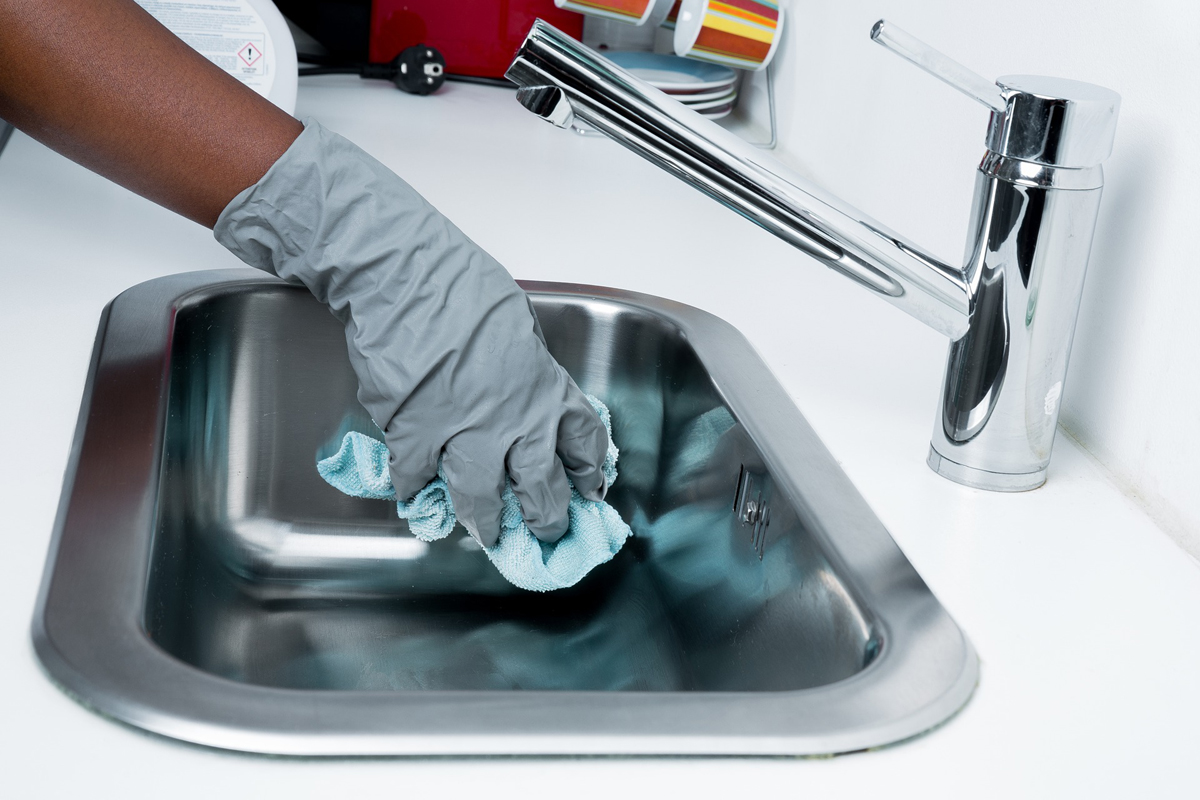
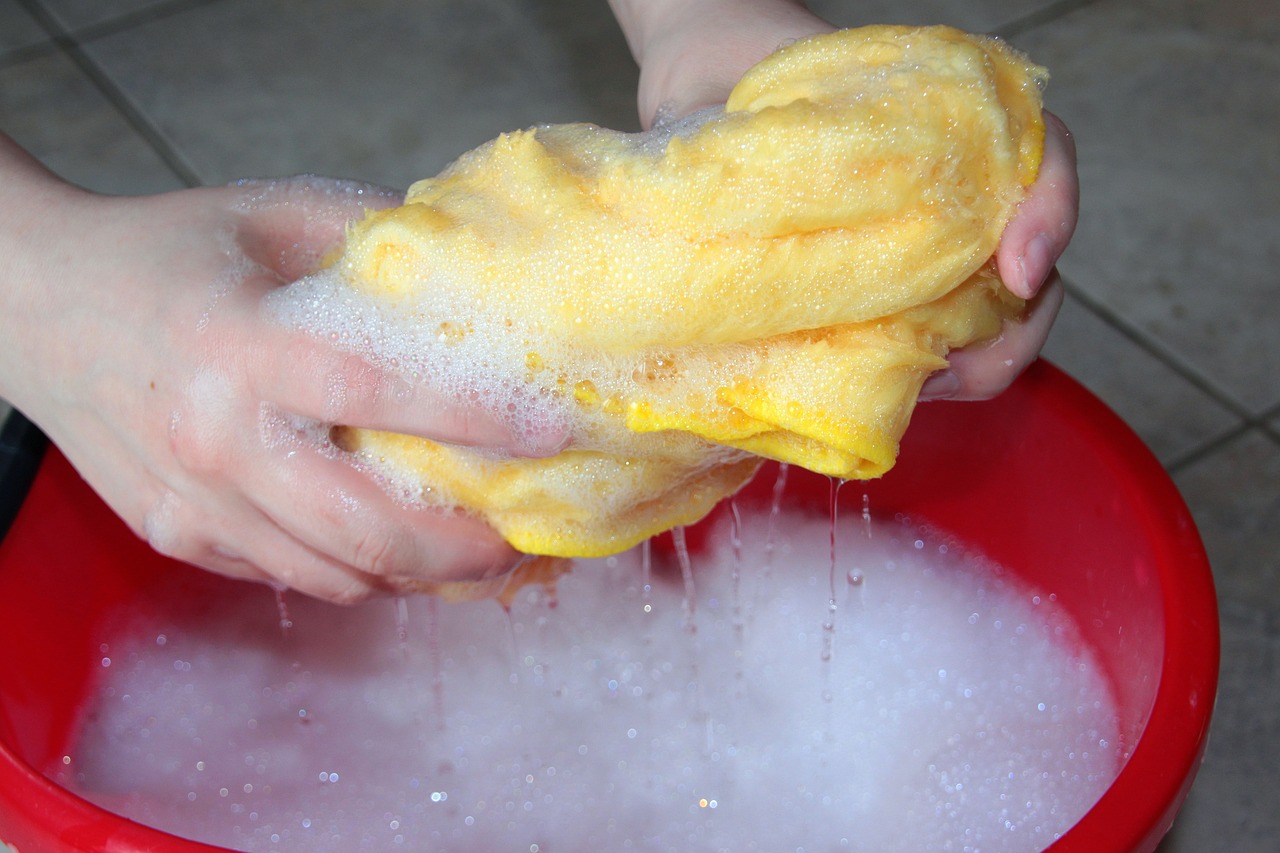
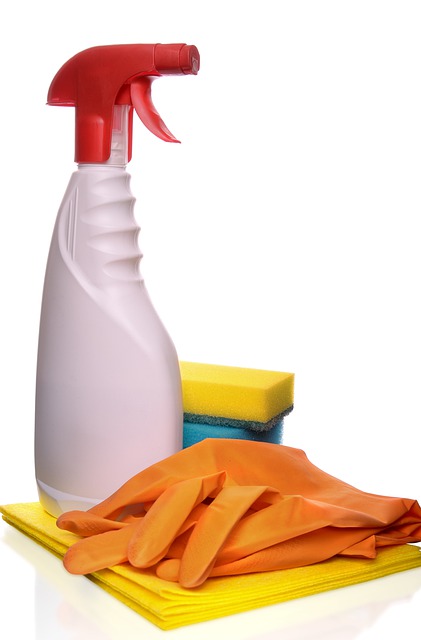
Mold cleanup should be exercised with caution. If you have allergies then it is best to have someone else help with the cleanup. Make a cleaning solution using 10% household bleach & water. Pour onto a sponge or rag and directly wipe affected area(s). Dispose of any rags or sponges used to clean the mold. Wear disposable gloves as well and wash hands thoroughly after handling any items that have mold on it.
Prevention
To prevent mold from returning, use a dehumidifier to remove excess moisture.
Make sure there is good air circulation (using a fan to circulate the air proves helpful). Dusting on a regular basis helps to eliminate any source of food for the mold. Repair any cracked walls, leaky pipes or any other source of disrepair that allows water or excess moisture to be in the home.
What Kind of Materials Does Mold Tend to Affect?
Molds can develop on the following under high heat conditions and high humidity:
- leather
- food
- cloth
- paper
- cotton
- wood
- dust
- starch
- adhesives
The Settler’s Scourge: Damp, Decay, and the “Must”
What is the “Must”?
In the old days, we didn’t talk about 100,000 species of fungi; we talked about the Must and the Damp. To a pioneer, mold was the “great recycler.” Its job was to turn a fallen log back into forest soil. The trouble started when the mold mistook your log cabin, your leather harness, or your winter grain for that fallen log. It travels on the phantom breath of the wind, settling wherever the air is heavy and the wood is weeping.
The Ailing Spirit
A pioneer’s health was their only wealth. When the “heavy air” took hold of a cabin, it didn’t just cause a cough or a watery eye; it brought on the Vapors. We’ve long known that living in a house that “breathes poorly” leads to a clouded mind, a weary back, and a spirit that feels as grey as the mold itself. If the baby is wheezing or the master of the house is prone to a sudden dark mood, look to the corners of the cellar.
Hunting the Hideout
You don’t need a scientist to find it—you need your nose. If a room smells like a wet dog in a root cellar, the Must has moved in. Look for the “fuzzy ghost” on the back of your leather boots or the black spotting behind the flour barrel. It thrives where the sun never shines and the breeze never blows.
Scrubbing the Stain
In the modern world, folks reach for the bleach bottle. On the frontier, we reached for the White Vinegar or the Borax.
-
Pioneer Wisdom: Cleaning mold is a “dirty chore” that shouldn’t be done by the weak-lunged. Send the healthiest member of the family to do the scrubbing.
-
The Remedy: Use a strong wash of vinegar or a slurry of borax and water. Scrub until the wood shows its true color again.
-
The Sacrifice: If the Must has deeply taken root in a straw mattress or a stack of old newsprint, don’t try to save it. Take it out to the clearing and give it to the fire. It’s better to lose a mattress than to lose your health.
Keeping the House “Sweet”
Prevention is the only way to keep a homestead “sweet” and dry.
-
The Draft: A tight house is a warm house, but a house with no draft is a tomb. Open the windows on a crisp, dry day to let the “living air” chase out the damp.
-
The Stove: Keep a small, dry fire going in the hearth even in the damp “between-seasons” to pull the moisture out of the logs.
-
The Lime: In the root cellar, we sprinkle slaked lime or keep buckets of charcoal to “drink” the dampness from the air before it can settle on the potatoes.
-
The Repair: A leaking shingle or a sweating pipe is an invitation to ruin. Fix the roof while the sun shines, for the mold works hardest when it rains.
What the Must Devours
The pioneer’s life was made of organic things, and the mold knows it. Watch your stores closely:
-
The Tack Room: Leather saddles and harnesses.
-
The Pantry: Dried fruit, salt pork, and grain.
-
The Wardrobe: Woolen coats and linen shirts.
-
The Library: The family Bible and the wood-pulp paper.
A Settler’s Closing Thought: > A clean house is a dry house. Nature is always trying to reclaim what we’ve built; our job is simply to keep the fire lit, the air moving, and the damp at bay.
When moving from modern store-bought cleaners to traditional “pioneer” minerals, it is important to remember that just because a substance is natural doesn’t mean it isn’t powerful. These are “honest” chemicals—they do exactly what they are supposed to do, but they require a respectful hand.
Here is what every homesteader should know before using these traditional remedies.
1. Slaked Lime (Hydrated Lime)
In the pioneer days, lime was used for everything from whitewashing walls to preserving eggs and “sweetening” outhouses. However, it is a caustic substance.
The “Burn”: Lime is highly alkaline. If it gets on damp skin or in your eyes, it can cause severe caustic burns.
- Pioneer Safety: Always wear gloves and keep your arms covered. If you are whitewashing a ceiling, wear eye protection—a drop of lime water in the eye is a serious matter.
The Breath: The fine dust of dry lime is hard on the lungs and throat.
- Pioneer Safety: Always mix your lime outdoors or in a well-ventilated area. Try to pour it gently to keep the “cloud” from rising into your face.
- Storage: Keep it in a bone-dry, airtight container. If lime gets damp in storage, it can generate heat.
2. Borax (Sodium Borate)
Borax has been a staple for “sweetening” laundry and scrubbing floors for generations. While much milder than lime, it still demands caution.
- Not for Consumption: There is a common misconception that because it’s “natural,” it’s safe to eat. Borax is toxic if swallowed.
- Pioneer Safety: Keep it on a high shelf away from children and pets. Never store it in a container that could be mistaken for flour or sugar.
Skin Irritation: For some, prolonged contact with borax can cause “detergent dermatitis” (red, itchy skin).
- Pioneer Safety: Use a long-handled scrub brush rather than dipping your bare hands into the bucket.
3. White Vinegar (Acetic Acid)
Vinegar is the gentlest of the bunch, but “pioneer strength” vinegar can be quite acidic.
Fumes: When scrubbing mold in a small, enclosed space like a cellar or a cupboard, the fumes can become overwhelming and irritate your throat and nose.
- Pioneer Safety: Always ensure a cross-breeze. If you start to feel lightheaded or your throat stings, step out into the fresh air.
-
The “Mixing” Rule: Never mix vinegar with bleach. Pioneers often made their own cleaning “cocktails,” but mixing an acid (vinegar) with bleach creates toxic chlorine gas. Pick one method and stick to it.
4. Lye Soap
Traditional “grandma’s lye soap” is fantastic for heavy cleaning, but the process of making it (using wood ash and fat) involves raw lye, which is incredibly dangerous.
The Finished Product: Once soap is properly “cured,” the lye is neutralized and safe. However, “fresh” or poorly made lye soap can be “heavy on the lye” and may irritate sensitive skin.
- Pioneer Safety: If a bar of soap feels “slick” or stings when you touch it, it may not be fully cured. Use it for scrubbing floors, not for washing your face.
General Rule of the Homestead:
Whenever you are using these traditional minerals to fight mold, remember that the mold spores themselves are a hazard. As you scrub, those spores become airborne.
The Modern Pioneer’s Safety Kit
-
The Mask: Even a simple cloth wrap is better than nothing, but for real protection against invisible spores, a well-fitted N95 or N100 respirator is the gold standard. It ensures that while you’re cleaning the “Must,” you aren’t breathing it in.
-
The Gloves: Use long-cuffed rubber or nitrile gloves. This prevents the mold—and the strong vinegar or borax solutions—from irritating your skin.
-
Eye Protection: Spores don’t just enter through the nose; they can irritate the eyes as well. A pair of snug-fitting goggles is a wise investment for overhead scrubbing.
-
The “Cover-All” Approach: Wear old clothes (long sleeves and pants) that you can toss straight into a hot wash afterward. A pioneer never brought the “dust of the barn” into the bedroom, and you shouldn’t bring the mold spores into the rest of your house.
A Final Thought on Airflow: Always remember to work toward the “fresh air.” Keep a door or window open behind you so that any spores you disturb are pulled away from your face and out of the building.
The Author:
Pioneerthinking.com: Ingredients for a Simple Life. Insights from a seasoned professional rooted in country living, with 28 years of horticulture expertise and over two decades of practical experience in homesteading, natural beauty and cosmetic creations, natural health, cooking and creative living.
Photo. Dmitriy