Top Herbal Remedies for Managing Pain
Living with discomfort or chronic aches can feel like a quiet, exhausting uphill battle. While modern pharmaceuticals certainly have their place, more and more people are looking back to the land for sustainable, gentle alternatives to manage their physical well-being. For generations, long before the convenience of the corner drugstore, traditional households relied on the wisdom of the garden and the apothecary to soothe standard aches, calm deep inflammation, and ease daily discomfort.
Turning to time-tested herbal remedies isn’t just about finding an alternative; it’s about reconnecting with powerful, plant-based solutions that work in harmony with the body. From deeply rooted forest barks to everyday kitchen spices, nature provides a remarkably effective toolkit for pain management.
Here is a closer look at the top botanical remedies trusted for centuries to bring comfort and relief.
1. Willow Bark: The Original Aspirin
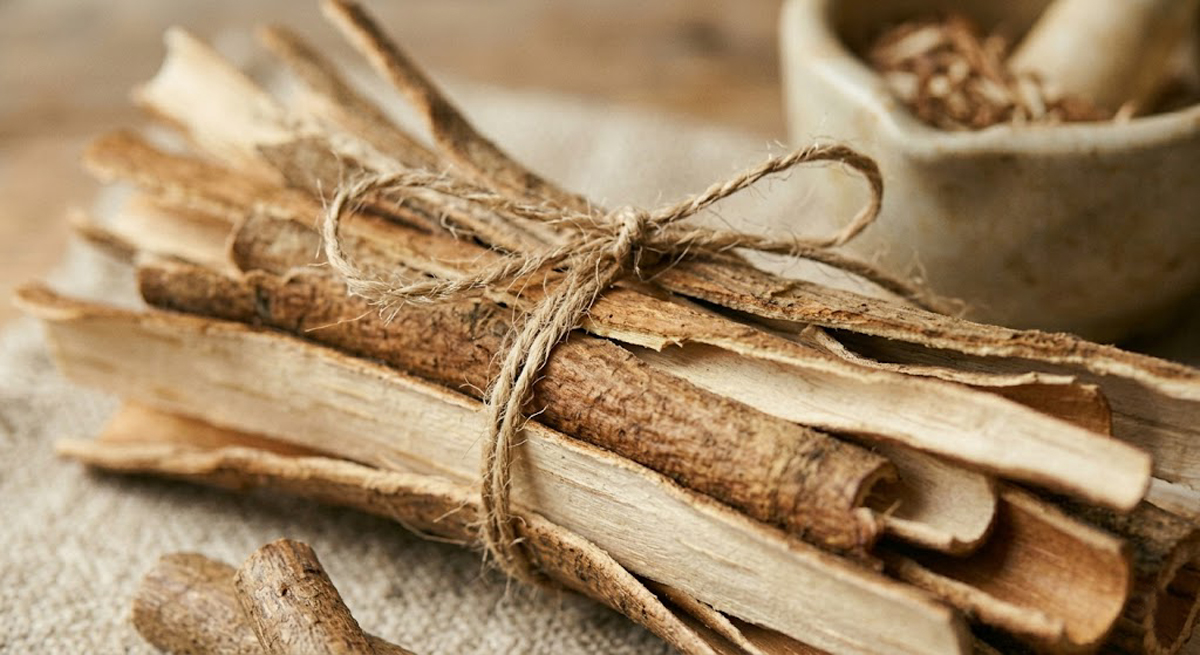
Long before synthetic tablets lined store shelves, ancient civilizations turned to white willow bark (Salix alba) for fever and pain relief.
- How it works: Willow bark contains salicin, a chemical compound remarkably similar to aspirin. When ingested, it metabolizes into salicylic acid, effectively lowering inflammation and blocking pain signals.
- Best used for: Tension headaches, lower back pain, and osteoarthritis.
- How to use: Most commonly consumed as a brewed tea or taken in standardized capsule form.
⚠️ Safety Note: Because it behaves like aspirin, willow bark should not be given to children, nor should it be taken by anyone on blood thinners. It is also highly toxic to pets.
2. Capsaicin: The Heat Element
If you’ve ever felt the burn of a chili pepper, you’ve experienced capsaicin. While it sounds counterintuitive to put something “hot” on an ache, capsaicin is one of the most thoroughly researched natural pain switchboards we have.
- How it works: It works by temporarily depleting Substance P, a neurotransmitter that sends pain signals to the brain.
- Best used for: Joint pain, rheumatoid arthritis, fibromyalgia, and nerve pain (shingles).
- How to use: Available as FDA-approved over-the-counter topical creams and patches.
3. Clove: The Fast-Acting Numbing Agent
Cloves are much more than a kitchen spice; they are a potent, localized anesthetic.
- How it works: Cloves contain a high concentration of eugenol, a natural compound with powerful numbing and antiseptic properties.
- Best used for: Toothaches, gum pain, and sore muscles.
- How to use: Dilute a drop of clove essential oil into a carrier oil (like olive or coconut oil) and apply it directly to the affected area. Never apply pure, undiluted clove oil directly to mucous membranes, as it can cause chemical burns.
4. Turmeric: The Ultimate Inflammation Fighter
No modern conversation about herbal pain relief is complete without turmeric (Curcuma longa). This vibrant golden root has been a staple of Ayurvedic medicine for millennia.
- How it works: Its active ingredient, curcumin, is a powerhouse antioxidant that combats chronic inflammation at a molecular level, mimicking the behavior of some over-the-counter NSAIDs (non-steroidal anti-inflammatory drugs).
- Best used for: Chronic inflammatory conditions, joint stiffness, and arthritis.
- How to use: Can be added to food, drank as “golden milk,” or taken as a supplement.
Tip: Always pair turmeric with a pinch of black pepper. Black pepper contains piperine, which increases curcumin absorption by up to 2,000%.
5. Peppermint: Cooling Relief for Muscles and Nerves
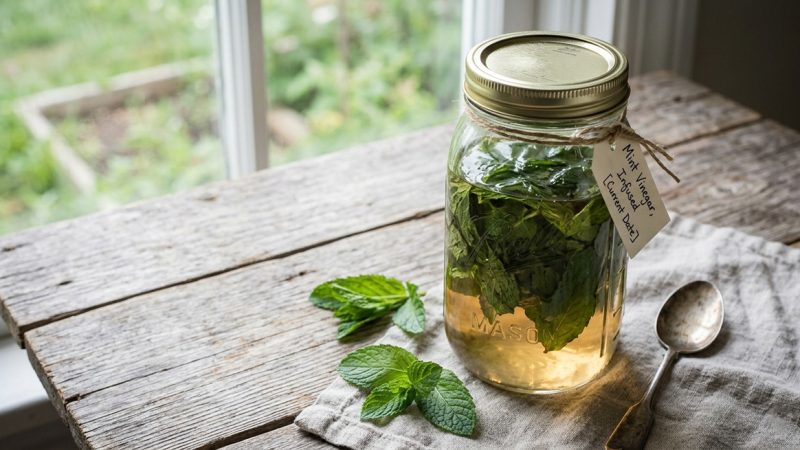
On the opposite end of the thermal spectrum from capsaicin is peppermint. Its high menthol content provides a crisp, cooling sensation that can rapidly override pain signals.
- How it works: Menthol acts as a natural antispasmodic, meaning it relaxes spasming muscles and temporarily desensitizes local nerve endings.
- Best used for: Tension headaches, tight muscles, and irritable bowel syndrome (IBS) cramping.
- How to use: Diluted peppermint oil can be massaged onto the temples for headaches or onto sore joints. Peppermint tea is excellent for internal digestive discomfort.
6. Feverfew: The Migraine Preventative
Feverfew is a flowering herb closely related to daisies, historically nicknamed “medieval aspirin.”
How to use: Typically taken daily in capsule or tincture form as a prophylactic (preventative) measure to stop migraines before they start.
How it works: It contains parthenolide, a compound that helps prevent the constriction and dilation of blood vessels in the head, while also inhibiting inflammatory substances.
Best used for: Migraines and rheumatoid arthritis.
A Word of Caution
While these botanical remedies offer a gentle, non-addictive alternative to heavy pharmaceuticals, “natural” does not mean “hazard-free.” Plants contain complex biochemistry that can interact dynamically with your body and other substances.
Quality Matters: Herbal supplements are not strictly regulated in the same way pharmaceuticals are. Source your herbs from reputable companies that utilize third-party testing.
Consult a Professional: Always speak with your doctor before introducing herbal remedies into your routine, especially if you are pregnant, nursing, or taking prescription medications (like blood thinners or blood pressure drugs).
The Author:
Pioneerthinking.com: Ingredients for a Simple Life. Insights from a seasoned professional rooted in country living, with 28 years of horticulture expertise and over two decades of practical experience in homesteading, natural beauty and cosmetic creations, natural health, cooking and creative living.
Photo. Gemini