What Flowers to Plant in May: A Beginner’s Guide
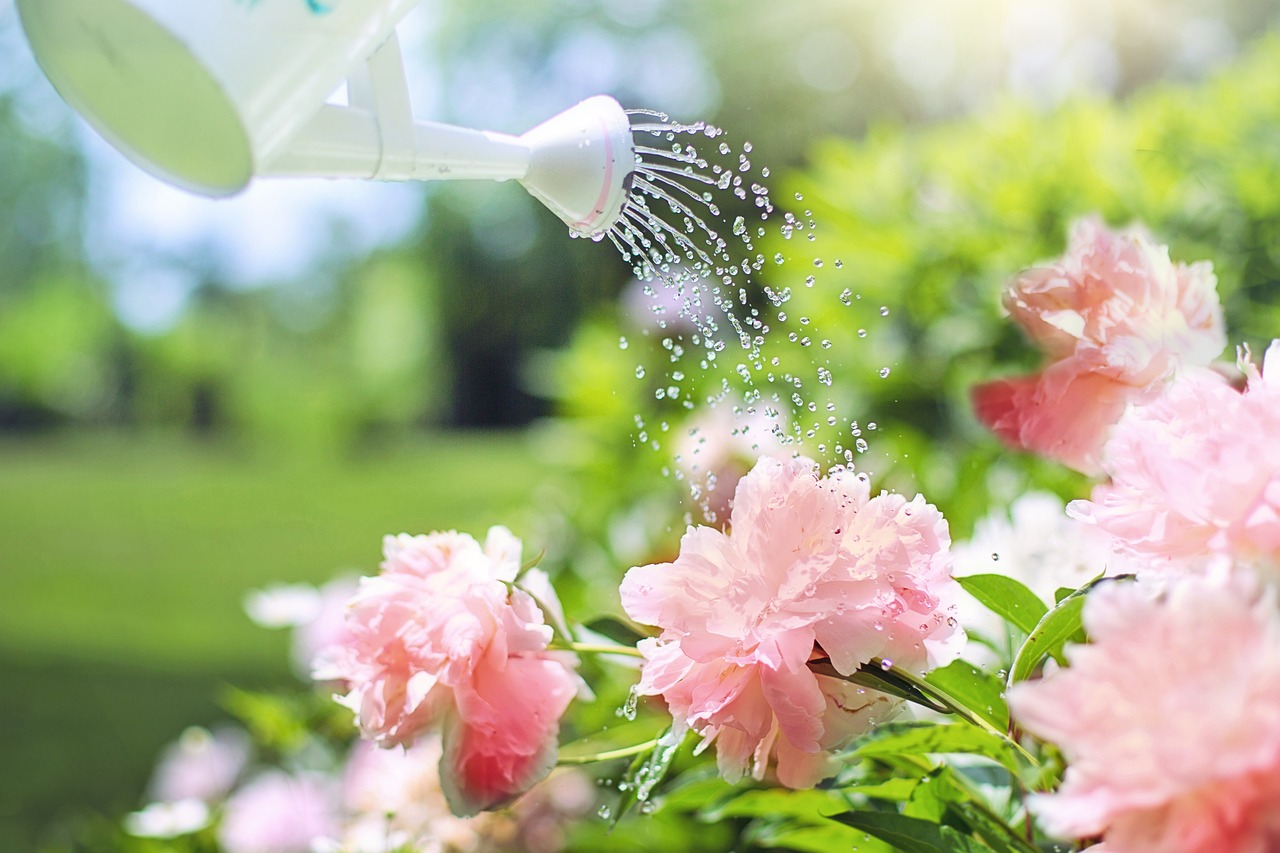
May is a wonderful month for gardening, with plenty of plants to choose from for your garden. Here are some ideas on what to plant this month:
1. Peonies:
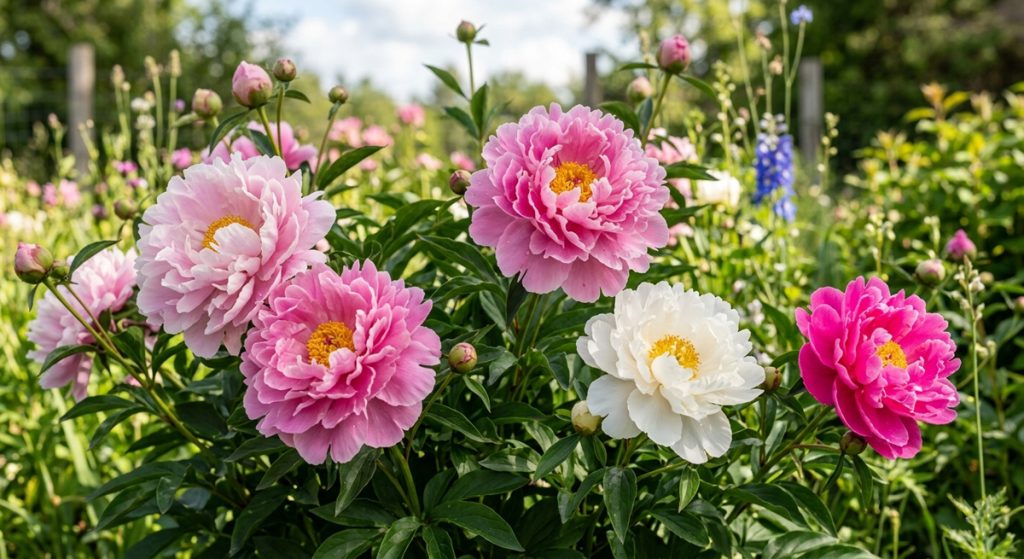
These beautiful, fragrant flowers come in a variety of colors and add a touch of elegance to any garden. Plant them in a sunny spot with well-draining soil.
2. Delphiniums:
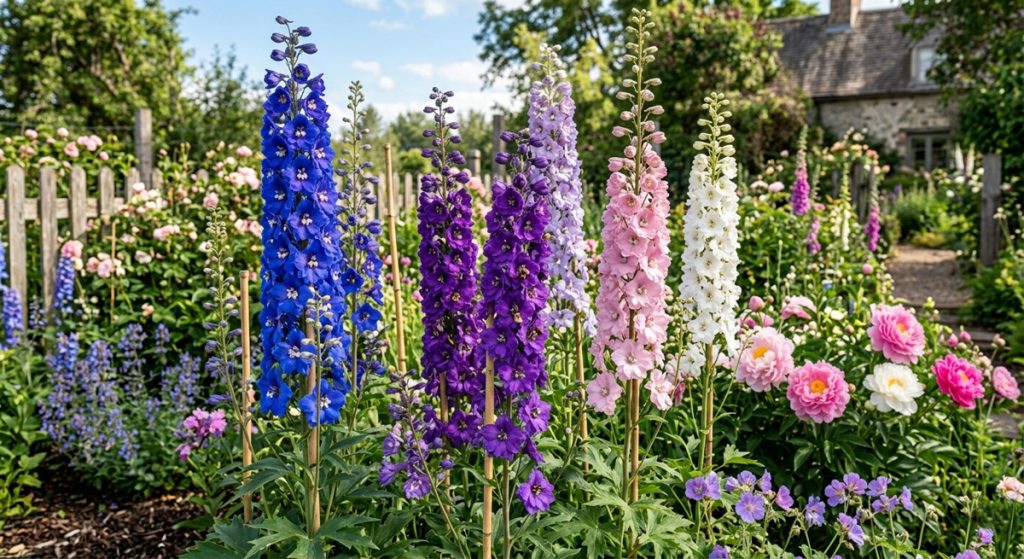
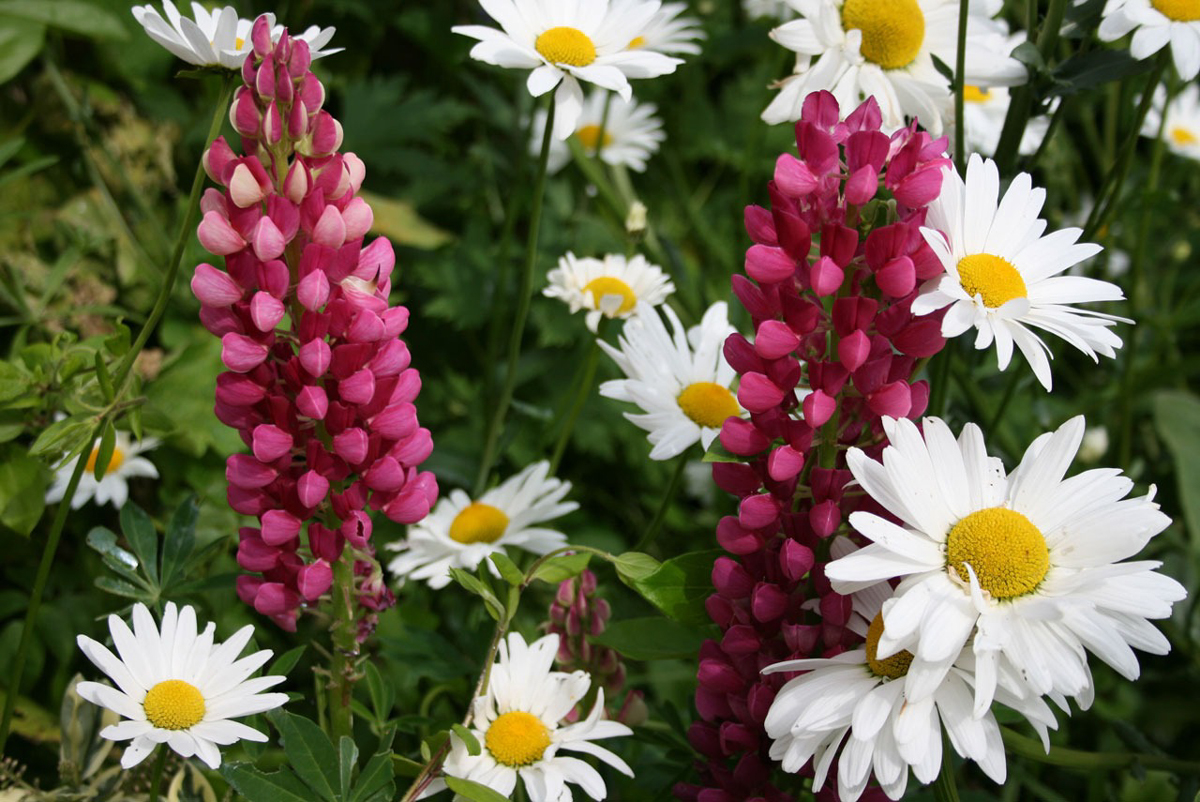
These tall, showy blooms come in shades of blue, purple, pink, and white, and will add a splash of color to your garden. They prefer full sun and well-draining soil.
3. Roses:
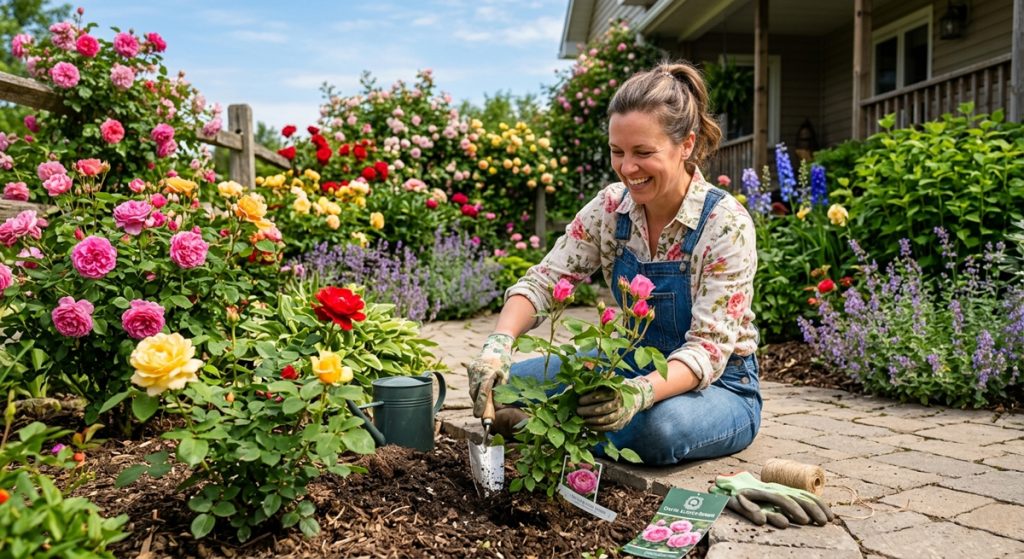
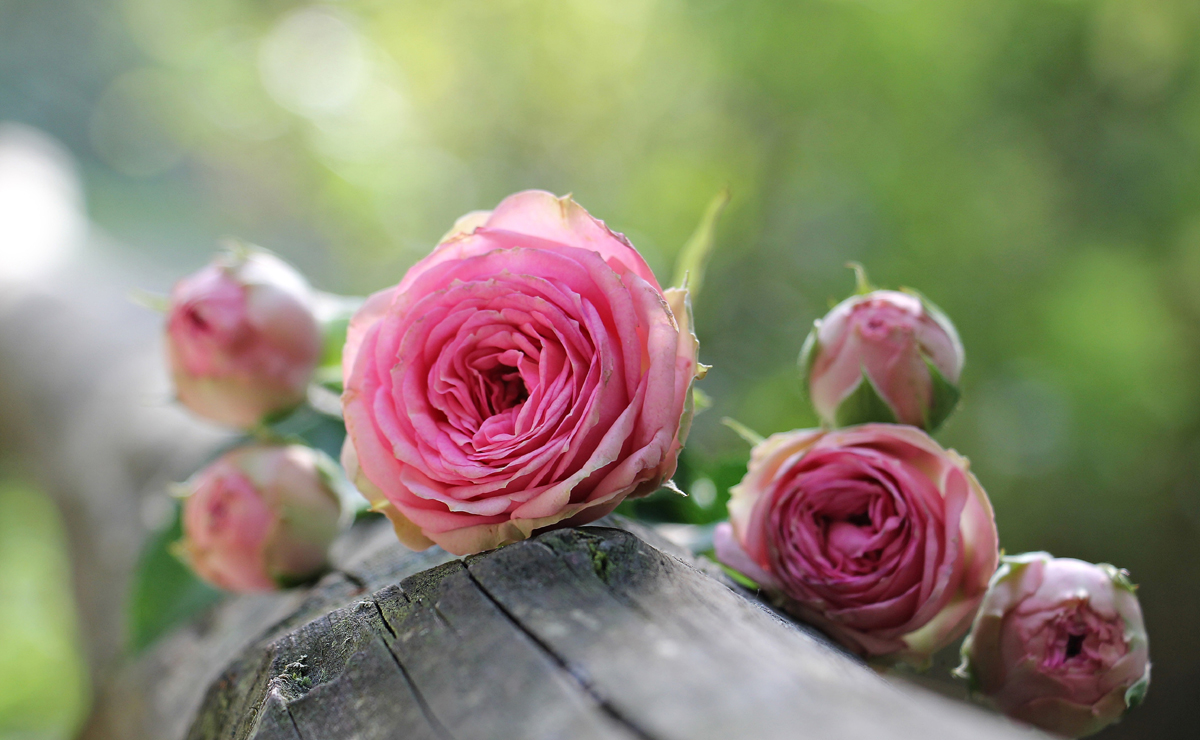
May is the perfect time to plant roses, which come in a wide range of colors and varieties. Be sure to choose a spot with plenty of sunlight and good air circulation.
4. Lavender:
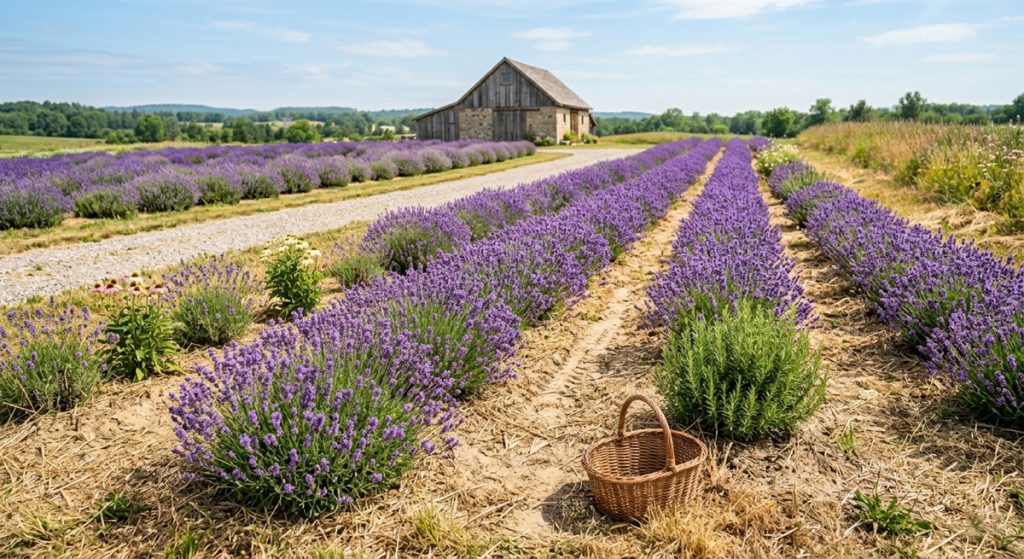
This fragrant herb is not only beautiful but also has a wide range of uses. It prefers dry, well-drained soil and full sun.
5. Salvia:
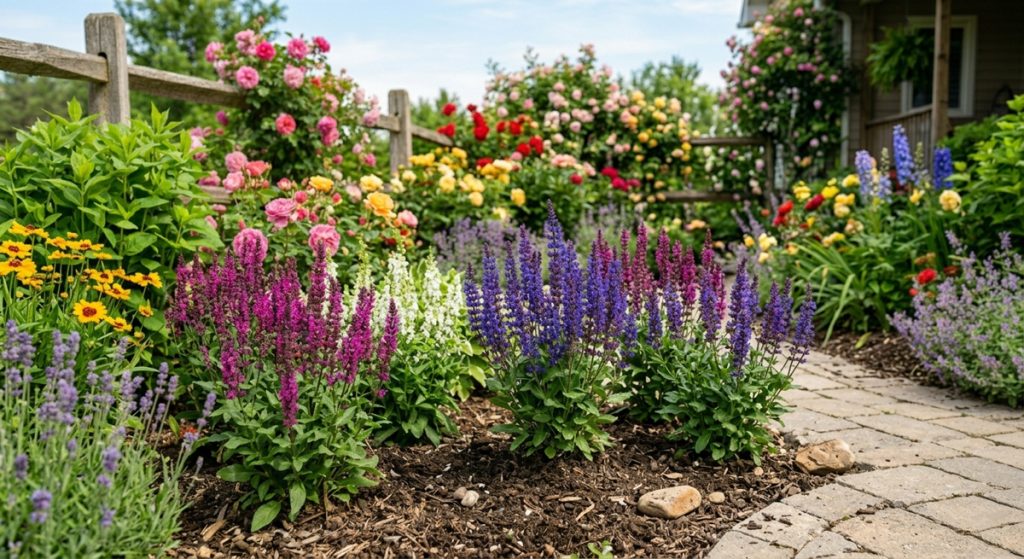
This drought-tolerant plant comes in a variety of colors and is a great addition to any garden. It prefers full sun and well-draining soil.
6. Alliums:
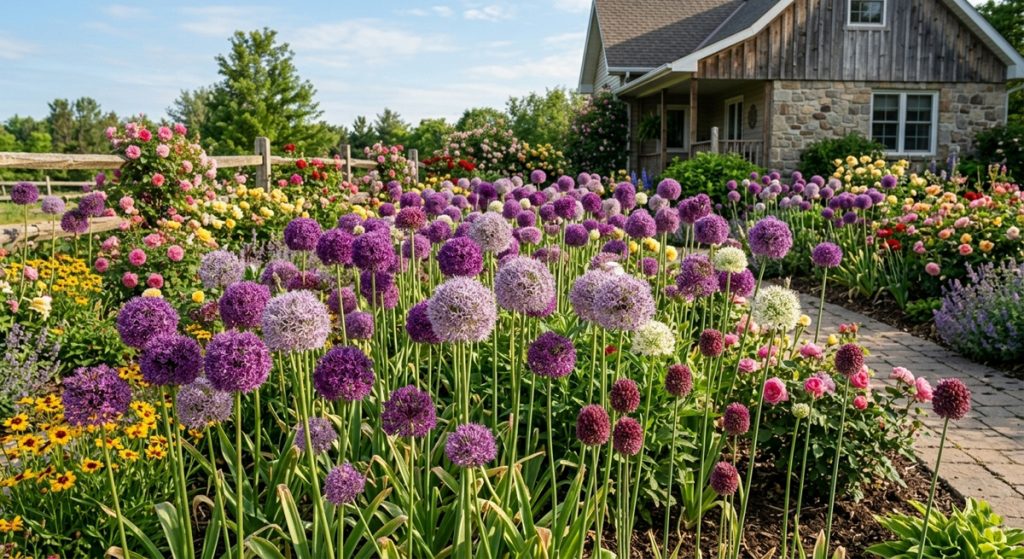
These unusual-looking plants have large, round balls of blooms that add a unique touch to any garden. They prefer full sun and well-draining soil.
7. Iris:
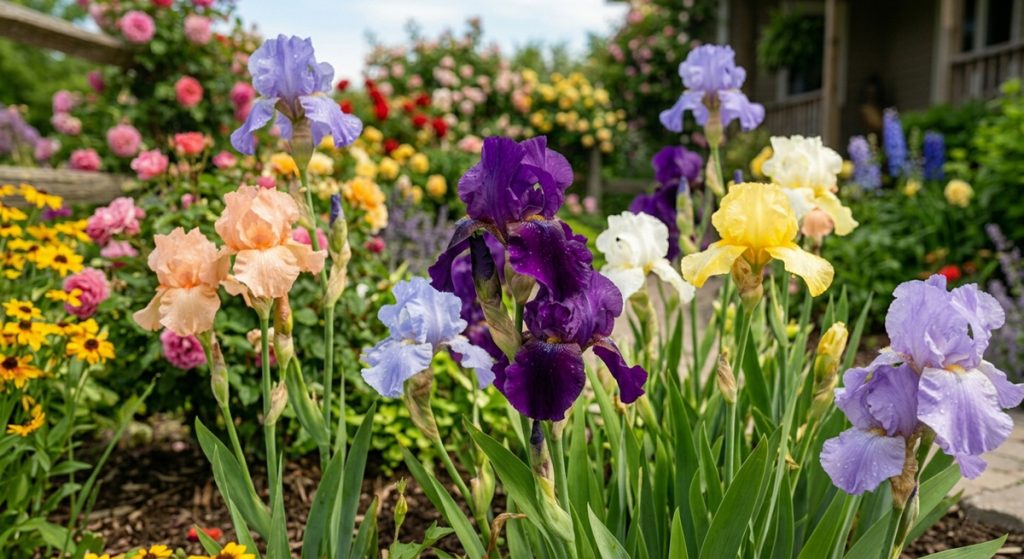
These stunning flowers come in a wide range of colors and add a touch of elegance to any garden. They prefer full sun and well-draining soil.
In addition to these plants, you can also add some herbs to your garden, such as basil, parsley, and thyme. These herbs not only add flavor to your favorite dishes but also attract beneficial insects to your garden.
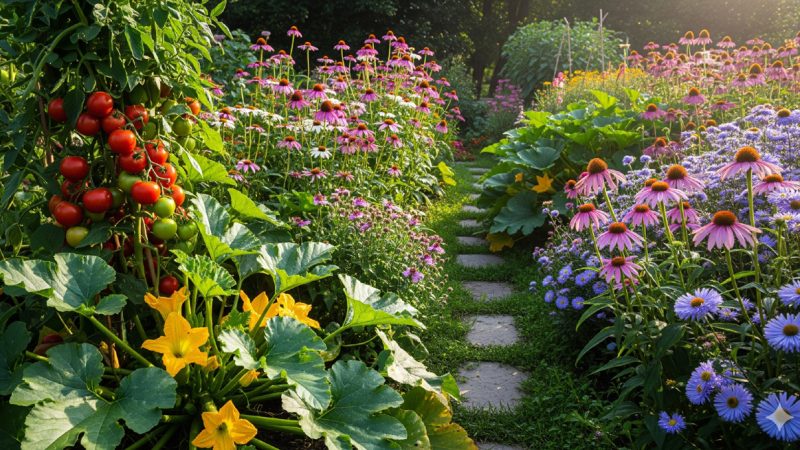
To make your garden even more attractive to pollinators, consider adding some native plants such as bee balm, butterfly weed, and goldenrod. These plants provide important habitat and food for bees, butterflies, and other beneficial insects.
May is a great time to get out into the garden and enjoy all the beauty and benefits of nature. Happy planting!
🌻 The Pioneer View: Planting for Purpose and Permanence
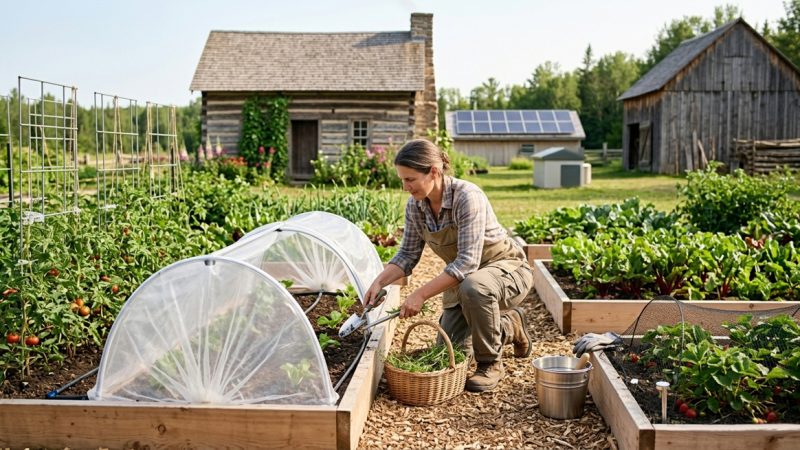
In the old way of thinking, May is the month of The Great Transition. We move from the survival of winter to the stewardship of summer. A heritage-style garden doesn’t just look pretty; it works in harmony with the land to provide for the household and the hives.
The Heritage Selection: Why These Flowers Matter
- The Fragrant Protectors (Lavender & Roses): Beyond their beauty, pioneers prized these for their utility. Lavender was tucked into linens to ward off moths, while rose hips provided vital “winter sunshine” (Vitamin C). Planting them in May ensures they established deep roots before the heat of July.
- The Tall Sentinels (Delphiniums & Iris): These weren’t just for show; they served as visual markers and windbreaks for smaller, delicate herbs. The Iris, or “Flag,” was often shared between neighbors, carrying the history of a community through divided rhizomes.
- The Kitchen’s Helpers (Salvia & Herbs): Salvia (Sage) was a staple in the pioneer “physic garden” for its soothing properties. By planting basil and thyme alongside your flowers, you create a “companion thicket” that confuses pests and invites the “good bugs” to stay.
- The Pollinator’s Buffet (Native Blooms): Pioneers observed that the healthiest orchards were those near wild patches of Bee Balm and Goldenrod. They knew that to have fruit in the fall, you must feed the bees in the spring.
The Pioneer’s May Planting Calendar
| Flower | Heritage Use | The “Old Soul” Tip |
|---|---|---|
| Peonies | Ornamental Longevity | These “memorial” plants can live for 100 years; plant them where they can stay forever. |
| Alliums | Pest Deterrent | Their onion-like scent helps keep nibbling critters away from more tender blooms. |
| Lavender | Household Purifier | Dry the sprigs in bundles to freshen a stuffy home throughout the winter. |
| Bee Balm | Traditional Tea | A native favorite that makes a soothing “Oswego Tea” for the family. |
Wisdom from the Fence Post
“One for the pot, one for the bee, and one for the beauty for all to see.”
May planting is an act of faith. As you put these roots into the earth, remember that you are building a legacy. Whether you are tucking in a fragrant rose or a sturdy stalk of salvia, you are creating a sanctuary that feeds the spirit as much as it beautifies the home.
A note on the soil: Always ensure your dirt is “friable”—if you squeeze a handful and it crumbles like a dry biscuit, it’s ready for its new residents. Happy planting!
The Author:
Pioneerthinking.com: Ingredients for a Simple Life. Insights from a seasoned professional rooted in country living, with 28 years of horticulture expertise and over two decades of practical experience in homesteading, natural beauty and cosmetic creations, natural health, cooking and creative living.
Photo. Jill Wellington, Gemini