Comprehensive Guide to Ticks
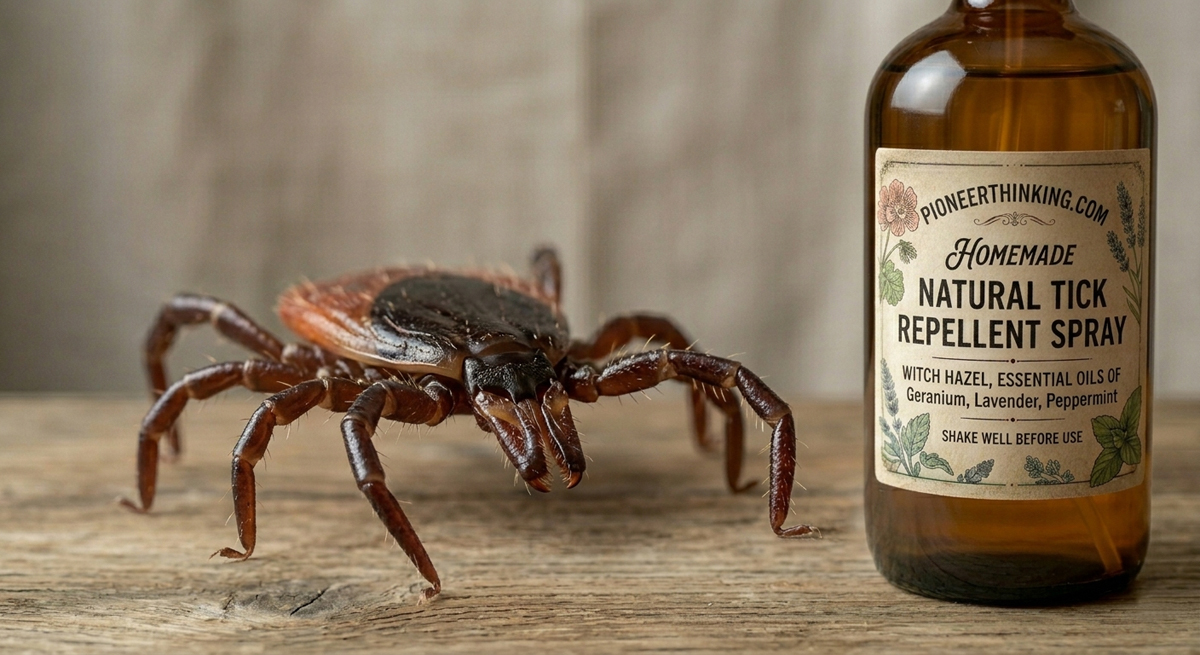
Ticks are far more than a summer nuisance; they are complex, highly adaptive arachnids that have survived for millions of years. As their geographical ranges expand and they move into new habitats, understanding their biology and behavior is the first step in staying safe while enjoying the outdoors Taking a proactive approach to these outdoor pests is a vital part of protecting your family’s natural health and healing during the warmer months.
1. Biology and Taxonomy: The Spider Connection
While often mistaken for insects, ticks are actually arachnids, placing them in the same class as spiders and scorpions. More specifically, they are specialized parasitic mites.
- Physical Traits: Adult ticks possess eight legs and lack antennae. Unlike spiders, which have a distinct “waist,” a tick’s head and body are fused into a single oval shape.
- The Life Cycle: Ticks typically live for 2 to 3 years, moving from larva (6 legs) to nymph (8 legs) to adult (8 legs). They require a blood meal at every stage to molt and survive.
- Size: They range from the size of a pinhead as larvae to a poppy seed as nymphs, and up to a small bean when fully engorged.
2. Common Species by Region
The “most common” tick depends on your geography, though a few species dominate due to their impact on human health.
North America (East/Central):
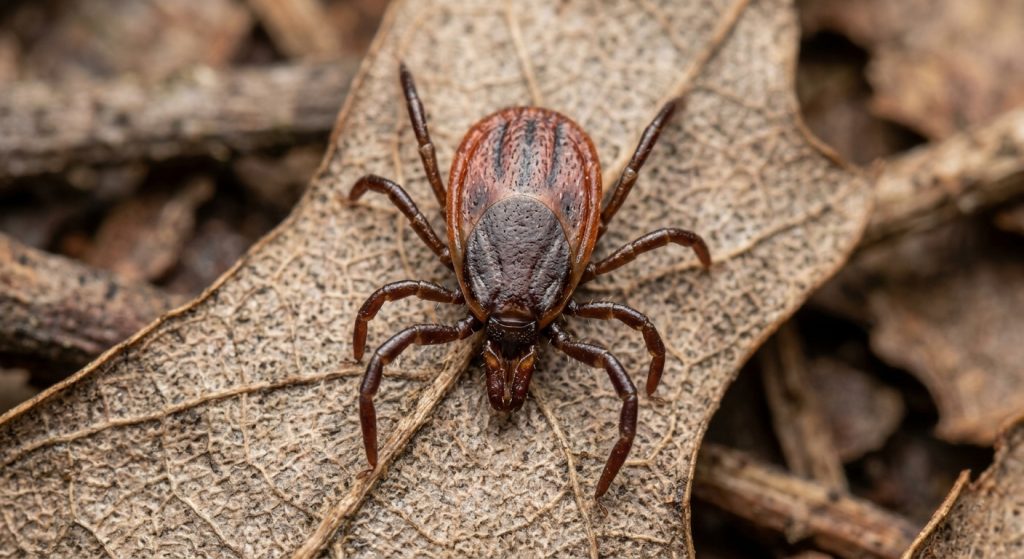
The Blacklegged (Deer) Tick is the primary carrier of Lyme disease.
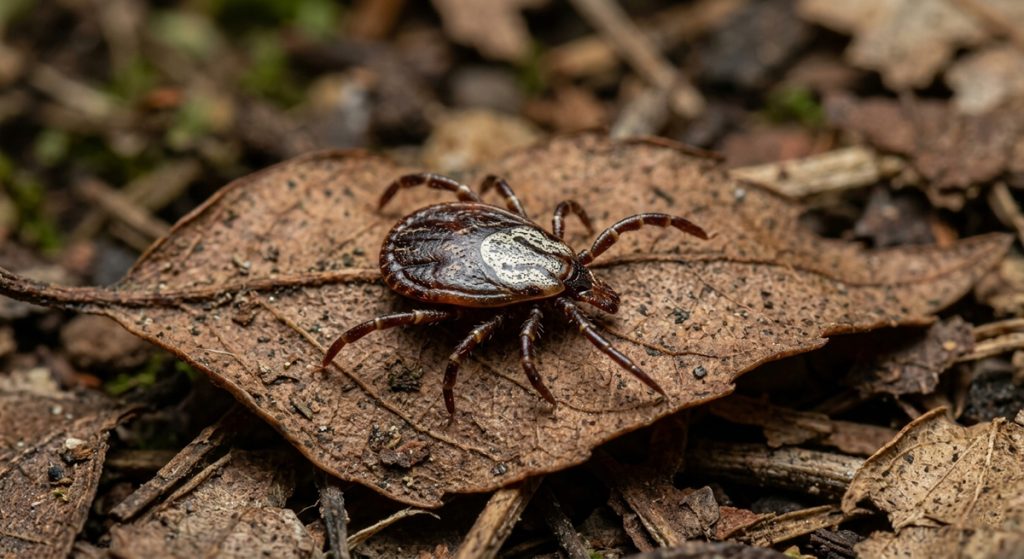
The American Dog Tick is larger and prefers open meadows.
North America (South):
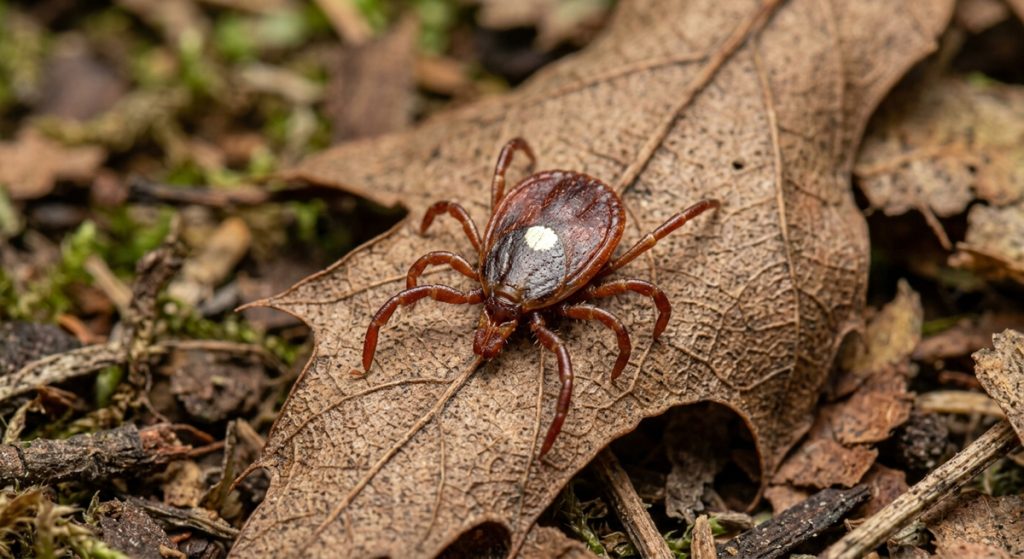
The Lone Star Tick is famous for its “white dot” and a link to the Alpha-gal (red meat) allergy.
Europe & UK:
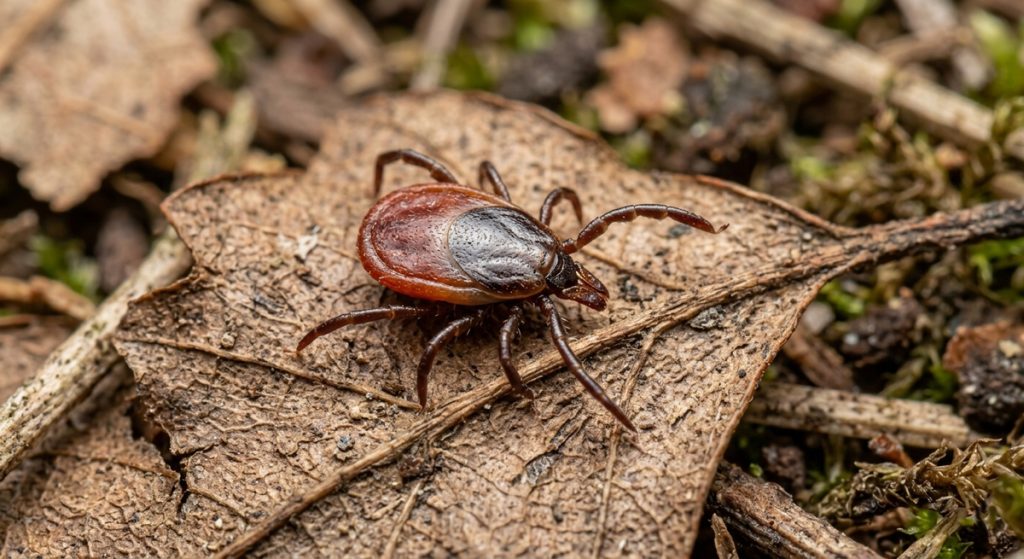
The Castor Bean (Sheep) Tick is the most prevalent transmitter of Lyme disease.
Australia (East Coast):
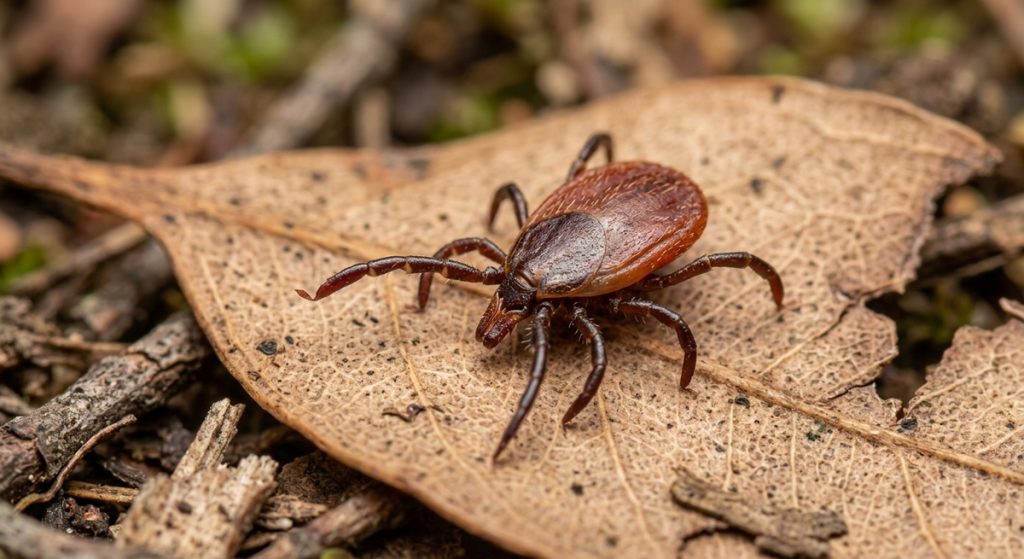
The Australian Paralysis Tick is unique for its toxic saliva that can cause progressive paralysis in hosts.
3. Habitat and Vegetation Preferences
Ticks do not fly or jump; they “quest” by clinging to vegetation and waiting for a host to brush by.
- The Moisture Factor: Ticks cannot survive without high humidity. They thrive in damp leaf litter and shaded, over-watered gardens.
- Tree Affinity: They prefer deciduous forests (Oak, Maple, Beech) because broad leaves create a moist carpet on the ground.
- Invasive Species: Plants like Japanese Barberry are notorious “tick magnets” because their dense growth creates a humid microclimate.
- Cedar Hedges: While cedar oil is a repellent, living cedar hedges often become sanctuaries because their thick foliage provides deep shade and attracts small mammal hosts.
4. Prevention and Natural Deterrents
- Clothing: Wear light-colored clothing to make dark ticks easier to spot. Tucking pants into socks creates a physical barrier.
- The Dryer Strategy: Water does not kill ticks; dry heat does. Placing dry clothes in a dryer on high heat for 10–15 minutes is the most effective way to kill hitchhikers.
- Natural Predators: Birds: Many birds, particularly Guinea fowl and chickens, are tick eaters and can help reduce local populations in a yard.
- Natural Repellents: While commercial repellents like DEET are highly effective, many prefer natural alternatives using essential oils that contain compounds ticks naturally avoid.
Homemade Natural Tick Repellent Spray
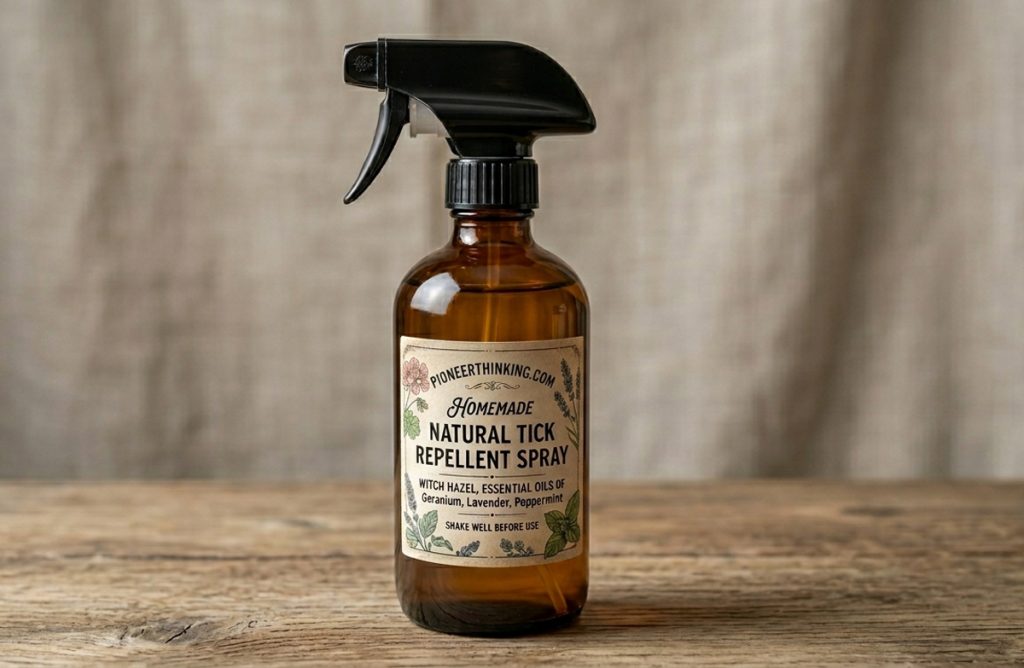
This recipe uses a blend of essential oils known for their repellent properties—specifically Rose Geranium, Lemon Eucalyptus, and Cedarwood.
Ingredients:
- 4 oz (120 ml) Distilled water (or boiled and cooled water)
- 2 oz (60 ml) Witch hazel or high-proof vodka (acts as an emulsifier to help the oil and water mix)
- 30 drops Rose Geranium essential oil
- 20 drops Lemon Eucalyptus essential oil
- 10 drops Cedarwood essential oil
- 1 tsp Vegetable glycerin (optional, helps the scent linger on skin or clothes longer)
Instructions:
- Combine Liquid Base: Pour the distilled water and witch hazel (or vodka) into a 6 oz or 8 oz glass spray bottle. Glass is preferred as essential oils can degrade certain plastics over time.
- Add Oils: Carefully drop each essential oil into the bottle.
- Mix: Secure the cap and shake vigorously. Since oil and water naturally separate, you must shake the bottle well before every application.
How to Use Effectively
- Application: Spray liberally on your shoes, socks, pant legs, and gear before heading into high-risk areas like tall grass or deciduous forests.
- Reapplication: Natural repellents evaporate much faster than chemical versions. Reapply every 60 to 90 minutes, or more frequently if you are sweating or walking through wet vegetation.
- Focus Areas: Pay special attention to “entry points” like ankles, waistbands, and cuffs.
Important Safety Considerations
- Skin Sensitivity: Always perform a patch test on a small area of skin to ensure you don’t have an allergic reaction to the oils.
- Pet Safety: If you plan to use this on or near pets, consult a veterinarian first. Some essential oils (like certain types of Eucalyptus or Cedarwood) can be toxic to cats or dogs if used in high concentrations.
5. Dealing with a Bite: Lyme Disease
Lyme disease is a bacterial infection transmitted primarily by the blacklegged tick. For most illnesses, the tick usually needs to be attached for 24 to 48 hours to transmit bacteria.
Common Symptoms:
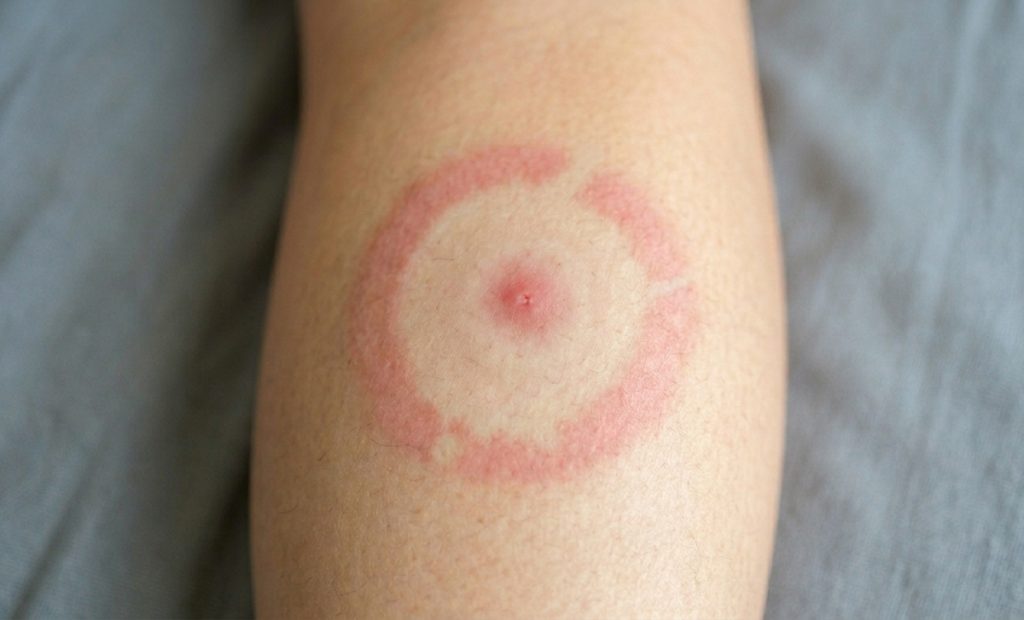
- The “Bullseye” Rash: A red, expanding circle (though not present in all cases). Also known as Erythema migrans, this rash is a hallmark sign of Lyme disease and typically appears within 3 to 30 days after a bite. Atypical Rashes: Not all infections produce a perfect “target” shape; some may appear as a solid red, expanding patch.
- Flu-like Symptoms: Fever, chills, headache, fatigue, and joint pain.
Proper Removal:
- Use fine-tipped tweezers to grasp the tick as close to the skin as possible.
- Pull upward with steady, even pressure. Do not twist or jerk.
- Clean the area with soap and water or rubbing alcohol to reduce the risk of secondary bacterial skin infections. .
- Avoid home remedies like matches or petroleum jelly; these can cause the tick to regurgitate infected fluids into the wound.
Post-Removal Best Practices
Once the tick has been successfully extracted, the focus shifts to preventing local infection and monitoring for systemic symptoms.
- Sanitize the Area: Thoroughly wash the bite site and your hands with rubbing alcohol, an iodine scrub, or soap and water to reduce the risk of secondary bacterial skin infections.
- Tick Identification: Save the tick in a small, sealed container or plastic bag—adding a damp cotton ball to keep it from drying out—so that a healthcare provider can identify the species and assess the risk of specific diseases if symptoms develop.
- Dispose Safely: If you choose not to save the tick, submerge it in alcohol, place it in a sealed bag, wrap it tightly in tape, or flush it down the toilet to ensure it cannot re-attach to a host.
- Monitor for 30 Days: Keep a close watch on the bite area for a full month, looking for any sign of a “bullseye” or irregular red rash, as well as systemic flu-like symptoms such as fever, chills, fatigue, or muscle aches.
When to Advise Medical Consultation
While most bites are harmless, professional intervention is necessary under specific conditions:
- Incomplete Removal: If the head or mouthparts remain embedded and cannot be easily removed with tweezers.
- Attachment Duration: If the tick was likely attached for more than 24 to 36 hours, as the risk of transmitting pathogens like Lyme disease increases significantly after this window.
- Symptom Onset: If a rash appears or fever develops within a few weeks of removing a tick, consult a healthcare provider immediately for potential antibiotic treatment.
Note: The most effective defense remains the nightly manual check—inspecting the body thoroughly by hand and lamplight after spending time outdoors.
Pioneer View: Living with the Land
Long before we had laboratory tests, our ancestors managed “wood ticks” through keen observation and traditional animal husbandry.
- The Yard as a Fortress: A pioneer homestead was kept “scuffed”—grass short and brush cleared back—to deny ticks a moist hiding spot.
- The Working Flock: Every animal had a job. Guinea fowl were prized as a “homestead alarm system” and for their ability to clear a yard of ticks more effectively than almost any modern method.
- The Nightly Check: Before modern tools, the most effective defense was the nightly ritual of checking children from head to toe by lamplight.
“To live in the country is to know its inhabitants—the great and the small alike. Respect the woods, keep your pastures trimmed, and let the chickens do the heavy lifting.”
References
Mayo Clinic. (n.d.). Lyme disease – symptoms and causes. MayoClinic.org.
AGES. (n.d.). Ticks & diseases info. Austrian Agency for Health and Food Safety.
Cameron, D. (2026). Animals that eat ticks: Nature’s role in tick control. Daniel Cameron MD.
Government of Canada. (2025). Lyme disease: For health professionals. Canada.ca.
The Author:
Pioneerthinking.com: Ingredients for a Simple Life. As a natural health consultant and horticulturist, I bring 28 years of botanical expertise and over two decades of practical experience to the site. My work is rooted in country living, specializing in wellness, homesteading, and the creation of natural beauty and medicinal remedies. I am dedicated to providing professional guidance for those looking to restore natural health to their homes, gardens and lives.
Photo. Gemini