Living with The Seasons

In our modern, climate-controlled world, it is easy to forget that we are biological beings meant to ebb and flow with the earth. We have artificial light to extend our evenings and supermarkets that provide strawberries in January. While convenient, this “perpetual summer” lifestyle often leads to burnout, disconnection, and a feeling of constantly swimming upstream.
Living seasonally is the pioneering practice of consciously adjusting your diet, habits, and energy levels to match the four seasons. By leaning into the natural cycle of the year, rather than fighting it, we can find a more sustainable pace for our bodies and minds.
Spring: The Great Awakening
Spring is the season of rebirth and vision. Just as the sap rises in the trees, our own energy begins to stir after the winter slumber.
- In the Garden: This is the time for planning and preparation. Start your seeds indoors, test your soil, and clear away the debris of last year’s growth.
- In the Kitchen: Focus on “bitter greens” like dandelion, arugula, and sprouts to help stimulate digestion and “cleanse” the system after a winter of heavier foods.
- For the Home: Open the windows! Use natural cleaners—like vinegar and lemon—to scrub away the stagnation of winter.
- The Mindset: Use this time for goal setting. What do you want to cultivate this year?
Summer: The Season of Abundance
Summer is characterized by expansion and outward energy. The days are long, and the sun provides a natural surge of productivity.
- In the Garden: Summer is about maintenance and the first harvests. Mulch heavily to retain moisture and stay on top of weeding before they go to seed.
- In the Kitchen: Enjoy the “cooling” foods of the season—cucumbers, melons, and fresh berries. This is the peak time for sun-brewed herbal iced teas.
- For the Home: Shift your life outdoors. Eat on the porch, dry your laundry on a line to catch the scent of the sun, and keep the indoor hearth cold.
- The Mindset: Focus on community and play. This is the time for late evening gatherings, festivals, and maximum physical movement.
Autumn: The Harvest and The Hearth
As the light begins to wane, nature prepares to let go. Autumn is a season of gratitude and gathering inward.
- In the Garden: Harvest your root crops, save seeds for next year, and “put the garden to bed” with a heavy layer of compost or cover crops.
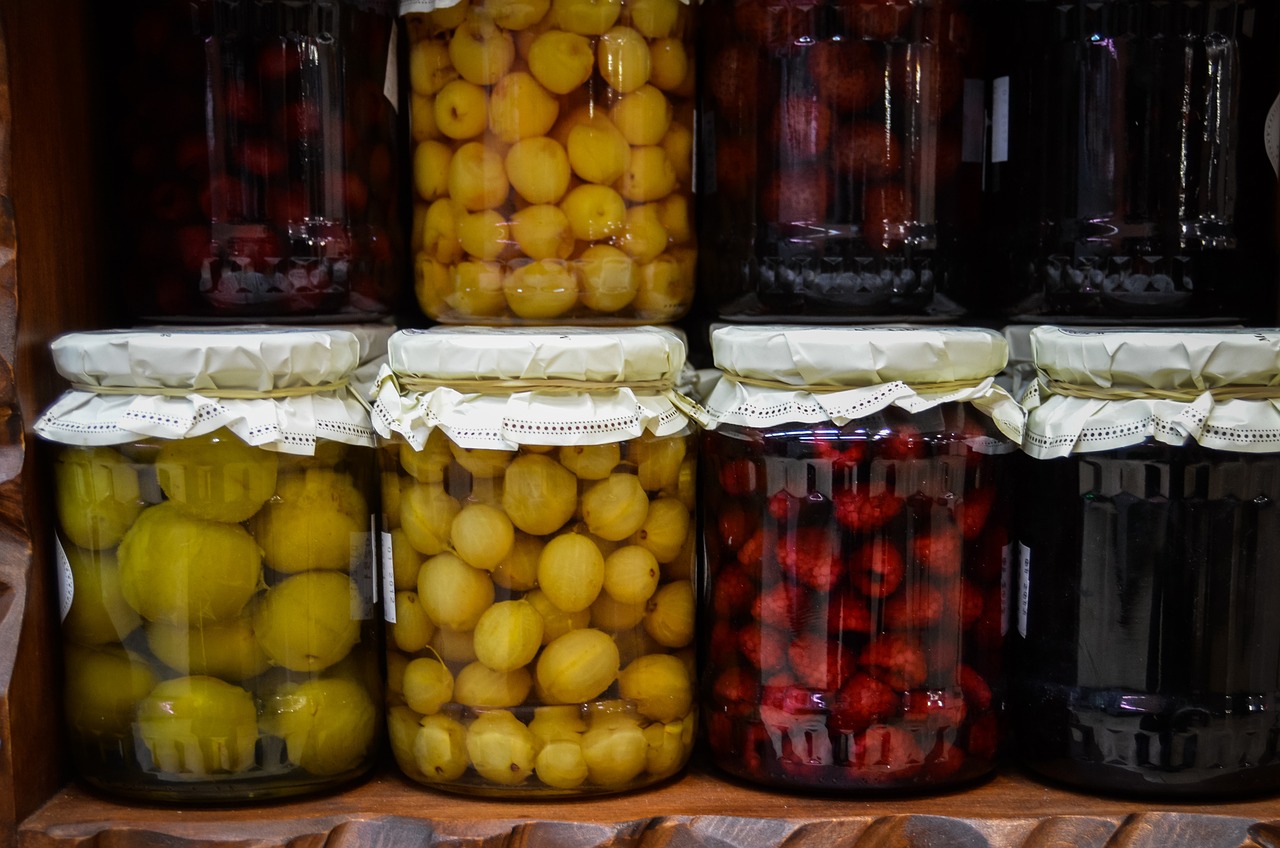
- In the Kitchen: This is the pioneer’s busiest time. Focus on preservation—canning, fermenting, and dehydrating. Switch to warming spices like ginger, cinnamon, and nutmeg.
- For the Home: The season of “coziness” begins here. Bring out the wool blankets, check your chimney, and transition your decor to reflect the earth tones of the falling leaves.
- The Mindset: Practice reflection. Look back at what you’ve “harvested” this year—both literally in your garden and metaphorically in your personal life.
Winter: The Sacred Stillness
Winter is often the most difficult season for modern people because we resist its primary requirement: rest. In nature, dormancy is essential for future growth.
- In the Garden: Study your seed catalogs and dream. Winter is for resting the soil and sharpening your tools.
- In the Kitchen: Lean into slow-cooked stews, roasted root vegetables, and preserved goods from your autumn pantry. High-quality fats and broths help the body maintain heat.
- For the Home: Focus on indoor crafts. Mending clothes, woodworking, or knitting are perfect “slow” activities that honor the quiet of the season.
- The Mindset: Prioritize restoration. Go to bed earlier, read more books, and allow yourself permission to be less “productive” in the traditional sense.
A Pioneer’s Guide to Seasonal Eating
Eating seasonally is the cornerstone of this lifestyle. It ensures you are getting the nutrients your body needs for that specific time of year.
Here is a basic guide for North America, categorized by climate region.
The Continental Guide (Zones 3-6)
Regions: Canada, Northern US, Midwest, New England. This is the “classic” four-season cycle described in the article. Nature goes into deep dormancy.
| Season | Kitchen Focus | Star Harvests |
| Spring | Detox & Bitter: Awakening the liver after a heavy winter. | Wild ramps, asparagus, fiddleheads, rhubarb, radishes. |
| Summer | Heat Management: High-moisture fruits to stay hydrated. | Berries, sweet corn, heirloom tomatoes, zucchini, peaches. |
| Autumn | Preservation: The “Pioneer’s Rush” to can, ferment, and dry. | Apples, pumpkins, storage carrots, potatoes, cranberries. |
| Winter | Internal Fire: Root vegetables and ferments for gut health. | From the Cellar: Sauerkraut, squash, dried beans, garlic. |
The Subtropical & Tropical Guide (Zones 9-13)
Regions: Florida, Gulf Coast, Mexico, Caribbean, Central America. Here, the “winter” is mild and dry, making it the best time to grow temperate crops that would fry in the summer heat.
| Season | Kitchen Focus | Star Harvests |
| Dry Season (Winter) | Peak Productivity: This is the actual “Spring” for gardening. | Strawberries, tomatoes, peppers, citrus (grapefruit, oranges). |
| Spring (Late Dry) | Tropical Sweetness: High-sugar fruits before the rains. | Mangoes, papayas, avocados, mamey sapote. |
| Wet Season (Summer) | Starch & Spice: Heat-loving crops that handle heavy rain. | Okra, sweet potatoes, dragonfruit, hot peppers, callaloo. |
| Autumn (Late Wet) | Hardy Greens: Transitioning back to garden planting. | Carambola (starfruit), passionfruit, guava, mustard greens. |
The Arid & Mediterranean Guide (Zones 7-10)
Regions: California, Southwest US, parts of Mexico. Energy here is dictated by water availability more than temperature.
| Season | Kitchen Focus | Star Harvests |
| Winter (The Green) | The Rainy Surge: Everything turns green; growth begins. | Kale, chard, lemons, navel oranges, artichokes. |
| Spring | The Bloom: Short-lived window of tender crops. | Apricots, cherries, peas, fava beans, almonds. |
| Summer | The Sun-Dried: Focusing on drought-tolerant, intense flavors. | Grapes, figs, melons, eggplant, olives. |
| Autumn | The Second Harvest: Warm days and cool nights produce sweetness. | Pomegranates, persimmons, walnuts, dates. |
The Universal Pioneer Rule
Regardless of where you are on the map, the goal is Biological Matching:
If it’s wet, focus on spices that “dry” the body (ginger, turmeric).
If it’s hot outside, eat foods with high water content (cucumbers, melons).
If it’s cold outside, eat foods that took a long time to grow (roots, tubers, winter squash).
Start Small Today
You don’t need a homestead to begin living seasonally. Start with awareness. When we stop fighting the calendar and start flowing with it, we find that nature usually provides exactly what we need, exactly when we need it.
The Author:
Pioneerthinking.com: Ingredients for a Simple Life. Insights from a seasoned professional rooted in country living, with 28 years of horticulture expertise and over two decades of practical experience in homesteading, natural beauty and cosmetic creations, natural health, cooking and creative living.
Photo. Jennifer Krug