DIY Herbal First Aid Kit: Your Essential Guide
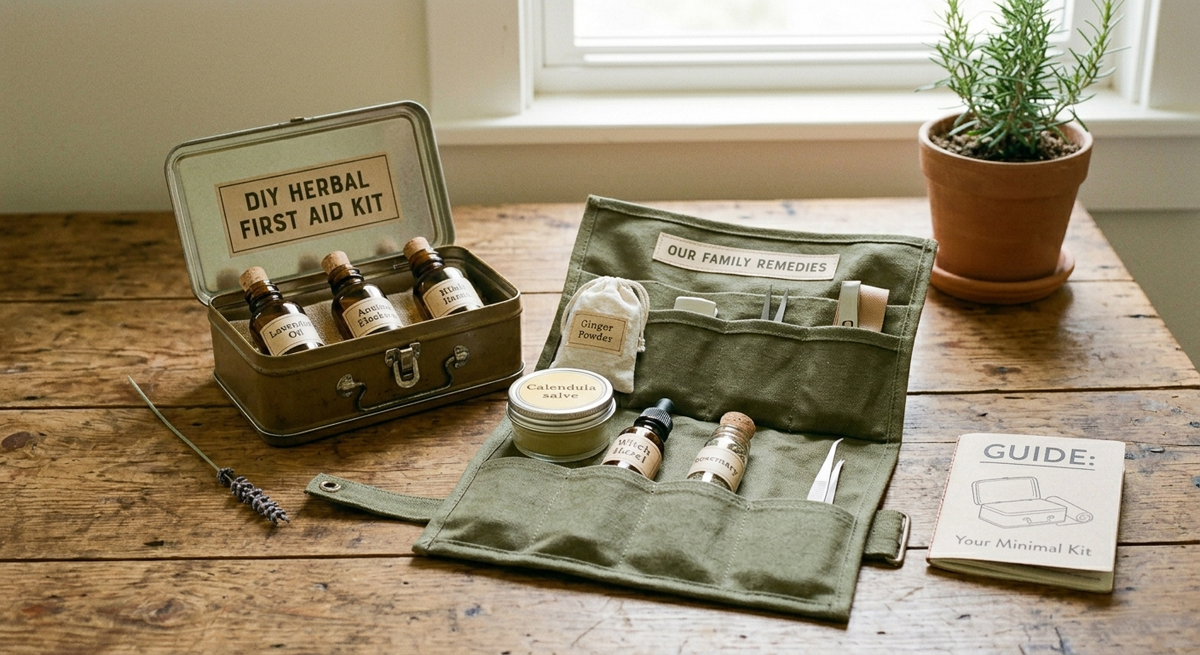
There is a wonderful, grounding confidence that comes from knowing how to tend to your family’s bumps and bruises using the wisdom of the earth. Long before modern drugstores were on every corner, folks relied on the plants growing just outside their kitchen doors to heal cuts, soothe stings, and calm upset tummies.
An herbal first aid kit isn’t meant to replace emergency medicine—if something is broken or serious, you head straight for the professionals. Instead, it’s about supporting your body’s natural healing rhythm for those minor, everyday mishaps.
Why We Love Herbal Remedies
- They Work With Your Body: Many herbs don’t just shut down a symptom; they gently assist your body’s natural inflammatory response to help heal the root issue.
- The True “Workhorses”: Nature is incredibly efficient. A single plant, like Lavender, can soothe a fresh burn, disinfect a scratch, and calm a worried mind all at once.
- Accessible and Self-Sufficient: You don’t need a fancy pharmacy. Most of these remedies can be grown right in your backyard garden, found on a windowsill, or safely foraged in a nearby meadow. Embracing these simple, plant-based solutions is one of the most rewarding ways to take control of your family’s natural health.
5 Essential Herbs for Your Toolkit
When you’re packing a compact kit for the trail, the truck, or the pantry shelf, you want multi-purpose herbs that pack a punch. Here are the five staples we wouldn’t be without.
| Herb | What It Does Best | How to Use It | Pioneer Tip |
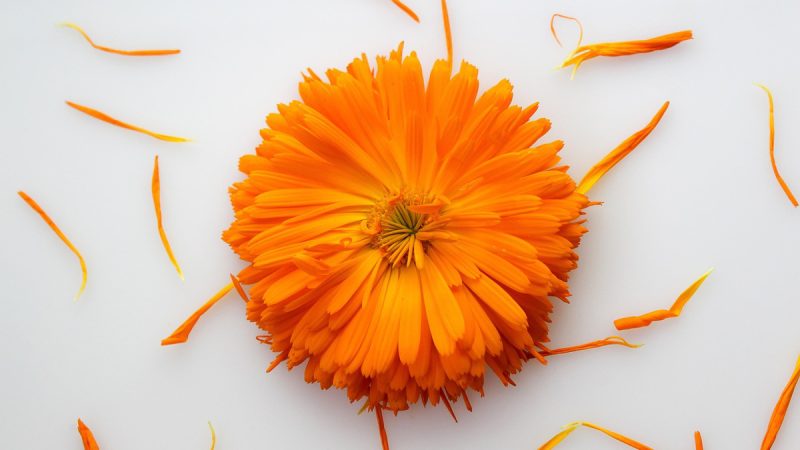
| Calendula (Calendula officinalis) | Anti-inflammatory, antimicrobial, and a champion skin-healer. | Infuse it into an oil or a soothing salve for cuts, scrapes, and minor burns. | Incredibly easy to grow from seed in full sun. Harvest the bright orange heads all summer long! |
| Yarrow (Achillea millefolium) | A classic “styptic” (stops bleeding fast) and an excellent antiseptic. | Keep the dried leaves and flowers ground into a fine powder to dust onto bleeding wounds. | Grows wild in almost every meadow. Stick to the wild, white-flowered variety for the best medicinal potency. |
| Plantain (Plantago major / lanceolata) | A powerful “drawing” herb that pulls out toxins, stings, and splinters while soothing itchiness. | Mash the fresh leaf into a quick poultice on the trail, or use a pre-made infused oil. | It’s likely growing in your backyard right now! Often dismissed as a common weed, it is actually free, invaluable medicine. |
| Chamomile (Matricaria chamomilla) | A gentle nervine to calm frayed nerves, an anti-inflammatory, and a wonderful digestive aid. | Steep as a warm tea for stomach cramps and anxiety, or use the cooled tea as a compress for irritated skin. | Always buy organic, whole dried flowers. If you can smell that sweet, apple-like aroma, you know the healing volatile oils are intact. |
| Witch Hazel (Hamamelis virginiana) | A brilliant astringent that tightens skin tissues, tones down swelling, and cools inflammation. | A liquid extract used to splash on bruises, bug bites, or to soothe postpartum healing. | Look for a commercial USP extract. Try to find options with low or no alcohol content if you have sensitive skin. |
How to Assemble Your Kit
Putting your kit together is a wonderful afternoon project. You want to make sure your remedies are protected from light, moisture, and rough handling.
Gathering Your Supplies
- The Case: A durable, lightweight zippered pouch or a classic, sturdy tin box works beautifully.
- The Containers: Small amber glass dropper bottles (for liquid extracts), little tin containers (for salves), and tiny glass vials or brown paper packets (for dried powders and teas).
- The Essentials: Don’t forget your basic tools! Tuck in a pair of good tweezers, sharp scissors, sterile gauze pads, and a roll of self-adhering wrap bandage.
Step-by-Step Assembly
- Pack Your Topicals: Pour your homemade Calendula salve or Plantain-infused oil into small 0.5-ounce or 1-ounce tins. Make sure the lids are snug.
- Ready the First Responders: Place your dried, powdered Yarrow into a small, easily accessible vial. This is the very first thing you’ll want to grab if someone has a nasty, bleeding scrape.
- Add Internal Comforts: Tuck a few high-quality, individually wrapped chamomile or peppermint tea bags into a waterproof baggie. Add a small dropper bottle of Ginger or Valerian tincture for sudden stomach upsets or sleepless nights.
- Label Everything clearly: Use a permanent marker to write the common name, the primary use, and the date you made it on every single container. When someone is hurt and panic sets in, memory lapses happen—clear labels keep everyone calm.
Safe & Effective Home Care
Simple Solutions for Common Ailments
- Bee Stings & Bug Bites: Wash the area well, then apply a splash of Witch Hazel or a dab of Plantain salve to take the itch away and draw out the sting.
- Scrapes & Skinned Knees: Wash the wound thoroughly with clean water. Apply a thin layer of Calendula salve to encourage the skin cells to regenerate, then protect it with a piece of clean gauze.
- Minor Burns: Immediately cool the area with cold running water. Never put an oily salve on a fresh, hot burn—it traps the heat inside! Once the skin has cooled completely, apply fresh Aloe vera or a drop of Lavender essential oil diluted in a little bit of carrier oil.
A Note on Safety & Respecting the Herbs
Herbs are powerful medicine, and traditional self-reliance means knowing your limits.
The Golden Rule of Kitchen Medicine:
If a wound is deep, won’t stop bleeding, shows signs of infection (like spreading redness, throbbing heat, or a foul odor), or if a sting causes any difficulty breathing, skip the herb garden and get to urgent care or call 911 immediately.
- Do a Patch Test: Before applying a new herbal salve all over, rub a tiny bit on the inside of the forearm to ensure there’s no allergic reaction.
- Cleanliness First: Never put a heavy herbal salve over a dirty wound. You don’t want to trap bacteria and dirt beneath the surface of the skin. Always wash the area cleanly first!
Pioneerthinking.com: Ingredients for a Simple Life. Insights from a seasoned professional rooted in country living, with 28 years of horticulture expertise and over two decades of practical experience in homesteading, natural beauty and cosmetic creations, natural health, cooking and creative living.
Photo. Gemini