Putting Your Garden to Bed for Winter
As the autumn air turns crisp and days grow noticeably shorter, it’s time for an important seasonal transition: winterizing your garden. This vital process not only protects your plants and soil from the harsh winter elements but also sets the stage for a thriving, productive spring. By following a few key steps, you can ensure your garden goes dormant in the best possible condition. Here is a comprehensive guide to preparing your green space for the off-season.
1. Clearing Out Your Garden Beds
The first step in winterizing is to meticulously clear out any plant material that won’t survive the winter. This practice is crucial for preventing pests and diseases from taking hold.
- Annuals: Pull out all dead or dying annual flowers and vegetables, including their root systems. For example, removing spent tomato, pepper, or marigold plants entirely helps to minimize the risk of diseases like late blight or powdery mildew from overwintering in the soil.
- Perennials: For hardy perennials, you have a choice. You can cut them back to about 4-6 inches (10-15 cm) above the ground to tidy up the garden. Alternatively, leaving some perennials—especially those with interesting seed heads or stalks—can provide visual interest and a food source or shelter for birds and beneficial insects throughout the winter.
2. Comprehensive Garden Cleanup
After removing plants, a thorough cleanup of the garden area is essential. This step removes potential habitats for pests and disease-causing pathogens.
- Fallen Leaves and Debris: Rake up fallen leaves, especially from fruit trees or vegetable gardens, as they can harbor fungal spores and insect eggs. Instead of throwing them away, consider composting them. Shredding the leaves before adding them to your compost pile will dramatically speed up decomposition, creating a nutrient-rich soil amendment for next year.
- Weed Removal: Aggressively remove any lingering weeds. By pulling them out now, you prevent them from spreading seeds that will germinate and compete with your plants in the spring. Be sure to remove the entire root system to prevent regrowth.
3. Enriching and Protecting Your Soil
Healthy soil is the foundation of a successful garden. Winter is the perfect time to nourish it for the upcoming growing season.
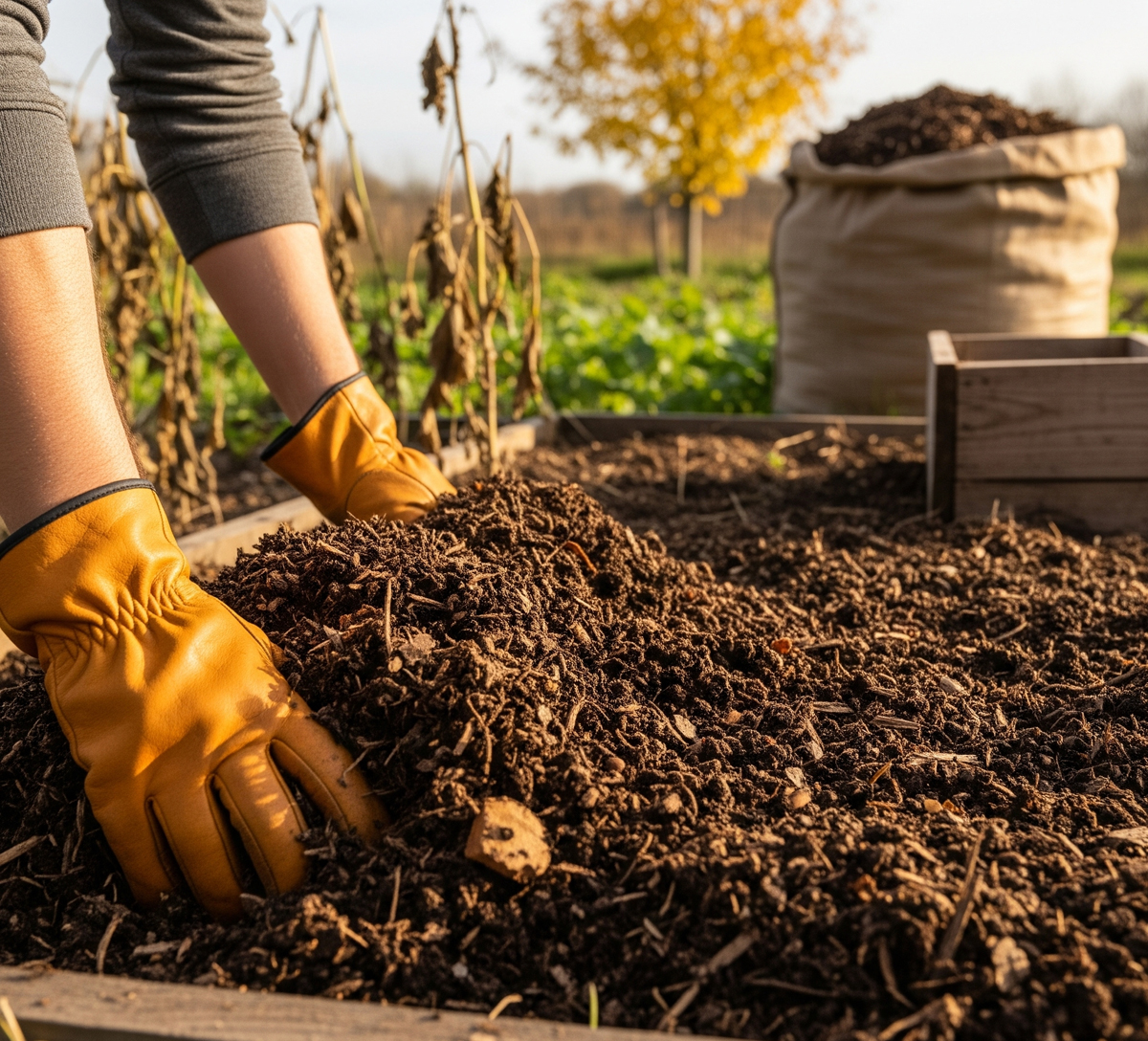
- Compost: Apply a 2-4 inch (5-10 cm) layer of well-rotted compost or aged manure over your garden beds. This organic matter will slowly decompose, improving soil structure, increasing water retention, and feeding the soil’s microbial life.
- Cover Crops: To prevent soil erosion and improve fertility, consider planting cover crops like clover, winter rye, or vetch. These “green manures” protect the soil from winter rains and winds. In the spring, they can be tilled into the soil, adding valuable organic matter and, in the case of legumes like clover, fixing nitrogen.
4. Applying Mulch for Insulation
Mulch is a garden’s best friend, especially in winter. It acts as a protective blanket for your soil and plant roots.
- Insulation: A thick, 3-4 inch (7-10 cm) layer of organic mulch (such as shredded leaves, straw, or wood chips) helps regulate soil temperature. It prevents the damaging freeze-thaw cycles that can heave plants out of the ground, exposing their roots to the cold.
- Moisture Retention: Mulch helps the soil retain moisture, which is vital for plant roots during dry winter spells.
- Weed Suppression: It also works to suppress any late-season weed seeds, making your job much easier come spring.
5. Preparing Your Plants and Tools for Hibernation
Don’t forget to protect your valuable plants and tools from the elements.
- Protecting Tender Plants: Some delicate perennials and shrubs, particularly newly planted ones or those not fully hardy in your zone, may need extra protection. Wrapping them in burlap or using plant covers can shield them from harsh winds and winter burn. For roses, a mound of soil or mulch around the base protects the graft from freezing.
- Garden Tool Care: Proper storage extends the life of your tools. Clean off all soil and debris with a wire brush. Sharpen blades on shovels, hoes, and shears to ensure clean cuts for next season. Apply a light coating of oil to all metal parts to prevent rust. Store your tools in a dry, sheltered location like a shed or garage to protect them from moisture and extreme temperatures.
6. Planning for the Next Season
While the garden rests, your gardening mind can stay active. Use this time to reflect and plan.
- Crop Rotation: Review this year’s garden layout and plan a crop rotation strategy for next season. For example, planting tomatoes in a different bed next year can help prevent soil-borne diseases.
- Seed and Plant Selection: Research new plant varieties, explore seed catalogs, and make a list of what you’d like to grow. This planning phase is a great way to stay connected to your garden throughout the winter.
- Winter Wildlife: Consider leaving a few areas of your garden wild. Stalks and seed heads provide food and shelter for beneficial insects and birds. Setting up a bird feeder or a small brush pile can also support local wildlife during the cold months.
Not Just Tidying Up
Putting your garden to bed for winter is a vital step in ensuring a healthy and productive garden come spring. By following these essential steps—clearing out spent plants, enriching the soil, mulching, protecting perennials, storing tools, planning for next season, and considering wildlife—you’ll set the stage for a robust garden next season.
As the famous garden quote goes, “To plant a garden is to believe in tomorrow.” Now is the perfect time to take action! Gather your gardening supplies, roll up your sleeves, and start preparing your garden for the winter months. Your future self will thank you when you see the fruits of your labor in the spring! Embrace the beauty of winter in your garden and look forward to the vibrant blooms and bountiful harvests that await you. Happy gardening!
The Author:
Pioneerthinking.com: Ingredients for a Simple Life. Insights from a seasoned professional rooted in country living, with 28 years of horticulture expertise and over two decades of practical experience in homesteading, natural beauty, natural health, cooking and creative living.
Photo. Gemini