Planning Your Preservation Garden: Planting Today for The Pioneer’s Pantry
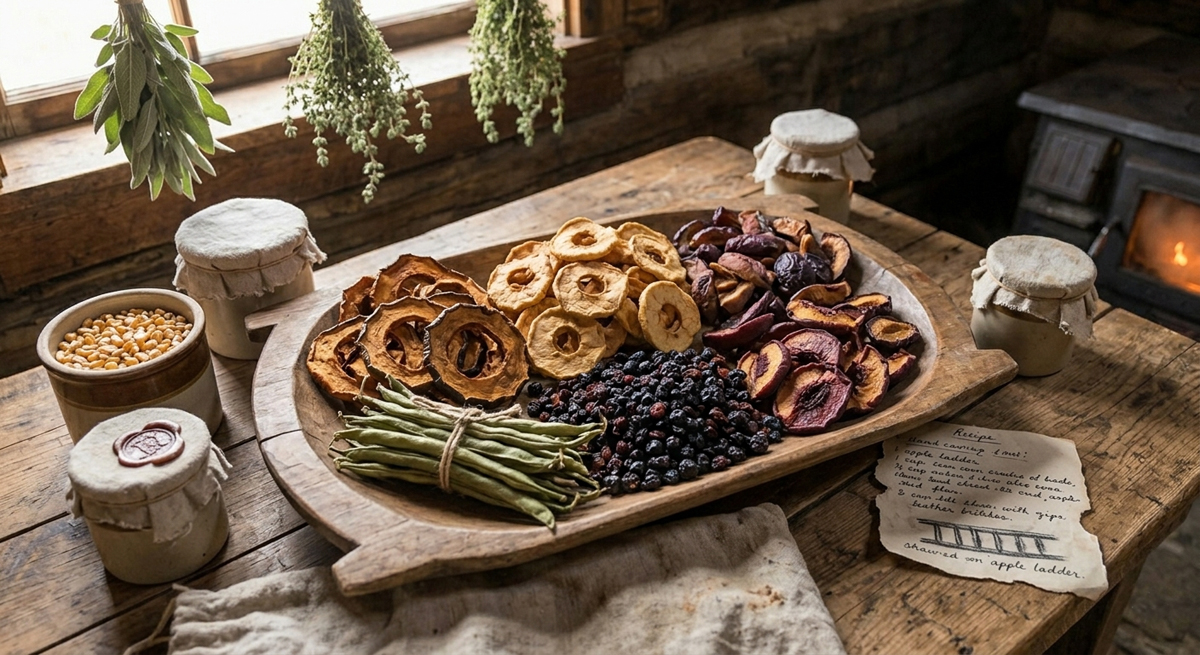
Mastery of dehydration allowed pioneers to transform a fleeting summer harvest into a diverse and stable pantry capable of sustaining a family through the harshest winter. For the early pioneers, dehydration wasn’t a hobby or a “clean eating” trend—it was a vital necessity. Without the luxury of modern refrigeration or chemical preservatives, “putting up” the harvest was the thin line between a thriving family and a winter of starvation. By harnessing the basic elements of air, sun, and fire, they mastered the art of preserving life through the removal of moisture.
Planting with Preservation in Mind
A successful pioneer-style pantry begins long before the first frost; it starts with the seeds you choose today. To replicate the self-sufficiency of the 19th century, your garden plan should prioritize high-yield crops that are naturally suited for dehydration.
- Heirloom Pole Beans: Ideal for “leather britches,” these should be planted with sturdy trellises.
- Fleshy Pumpkins: Choose varieties like Dickinson or Musquee de Provence, which have the dense, dry flesh necessary for successful ring-drying.
- Storage Apples: If you are planting trees, look for “dry” or “tart” varieties like Northern Spy or Winesap that hold their texture when dried.
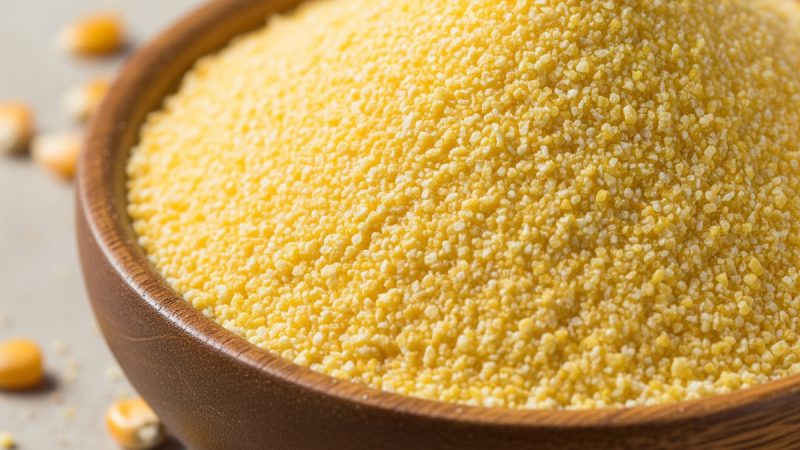
- Drying Corn: Plant varieties meant for parching or grinding, rather than just sweet corn, to ensure a long-term protein and starch source.
Traditional Dehydration Methods
The pioneers relied on low-tech, high-ingenuity methods to dry their food, adapting their techniques to the season and the weather. On hot, arid days, sliced fruits like apples, peaches, and pears were spread across wooden racks or clean linen sheets. To maximize heat and stay clear of the damp ground, these racks were often hoisted onto the roofs of outbuildings. This kept the food away from curious livestock and ensured a steady breeze, which is just as important as heat for effective drying.
When the autumn rains arrived, the process moved indoors. The fireplace was the heart of the home, providing a constant source of dry, rising heat. Slices of pumpkin, bundles of herbs, and strips of meat were strung on twine and draped from rafters or mantelpieces. The gentle, consistent warmth from the ever-burning fire acted as a primitive but effective dehydrator. A staple in many pioneer cabins, the apple ladder, assisted in this. This simple wooden frame with horizontal slats or strings would be loaded with apple rings and leaned near the cookstove, allowing warm air to circulate freely around every surface of the fruit until it reached a leathery, shelf-stable consistency.
While the hearth was good for small batches of jerky, larger quantities of meat like hams and venison were hung in a smokehouse. Here, a small, smoldering fire provided two benefits: the heat dried the meat, while the smoke deposited phenolic compounds that acted as an antimicrobial barrier and a flavor enhancer.
What Was Dried?
Beyond the common apple, the pioneer’s pantry was a mosaic of dried goods. Vegetables included “leather britches,” which were green beans dried in the pod, as well as corn and pumpkin strips. Fruits ranged from berries and plums to cherries. For proteins, they relied on venison, beef, and even fish in certain regions. Finally, grains and legumes like field peas and beans were left to dry on the vine until they rattled in their shells.
Storage: Keeping the Damp Out
Once the food was sufficiently “leathery” or “brittle,” the next challenge was keeping it that way. Pioneers used several clever storage solutions. Dried fruit was often sewn into cotton or linen bags and hung from the ceiling in a dry area to allow for airflow while keeping pests out. Larger quantities of dried corn or beans were packed into wooden barrels, often layered with clean straw. If they were lucky enough to have them, stoneware crocks sealed with wax or heavy lids provided the best protection against moisture and rodents.
Shelf Life & Staples
If kept in a cool, dry place, the pioneer’s efforts would pay off for months, if not years. Dried fruits generally lasted 6 to 12 months, while dried vegetables could easily last a year. Grains and dried beans were the true survivors, often remaining edible for two years or more.
| Item | Variety/State | Storage Method | Shelf Life |
|---|---|---|---|
| Apples | Rings or “schnitz” | Cotton/linen bags hung from rafters | 6–12 months |
| Green Beans | “Leather britches” (in pod) | Strung on twine, hung in dry lofts | 1 year |
| Corn | Parched or kernels | Wooden barrels or tin canisters | 2+ years |
| Pumpkin | Strips or rings | Strung on rafters near the hearth | 6–10 months |
| Peaches | Halves or slices | Wooden boxes lined with paper | 6–8 months |
| Peas/Beans | Shelled and dried | Stoneware crocks or glass jars | 2–3 years |
| Berries | Whole (blueberries) | Small cloth bags or crocks | 1 year |
| Plums | Prunes (whole) | Crocks sealed with wax or lard | 1 year |
| Cherries | Pitted and dried | Glass jars or tight-lidded tins | 1 year |
| Herbs | Bunches (Sage, Mint) | Wrapped in paper or hung in bunches | 1–2 years |
The pioneer rule of thumb was simple: if the food felt “tacky” or soft, it wasn’t done. For a harvest to survive the winter, it had to be dried until it was tough as leather or hard as a stone.
The Rafter Method: Hanging cotton bags from the ceiling was the most effective way to protect dried fruit from rodents. The constant airflow in the upper part of the cabin also prevented “sweating,” which could lead to mold.
Stoneware Crocks: For legumes and grains, heavy crocks provided a barrier against moisture and insects. If the seal was tight, these items were the “eternal” foods of the pantry, often lasting until the next harvest and beyond.
The “Leather” Test: To ensure the maximum shelf life, pioneers checked their stores regularly. If a dried peach felt soft or sticky (indicating it had absorbed moisture from the air), it was brought to the stove to be “re-dried” immediately.
Historical References
- Living History Farms: The 1850 Pioneer Farm – Practical demonstrations of hearth drying, stringing “leather britches,” and overhead rafter storage.
- Horne Creek Living Historical Farm – Detailed 19th-century techniques for using “apple ladders” and outdoor roof-drying racks.
- National Center for Home Food Preservation – A comprehensive historical and scientific overview of how drying served as a primary means of survival.
The Author:
Pioneerthinking.com: Ingredients for a Simple Life. Insights from a seasoned professional rooted in country living, with 28 years of horticulture expertise and over two decades of practical experience in homesteading, natural beauty and cosmetic creations, natural health, cooking, and creative living.
Photo. Gemini