Dandelions: The Unexpected Health Boosting Plant
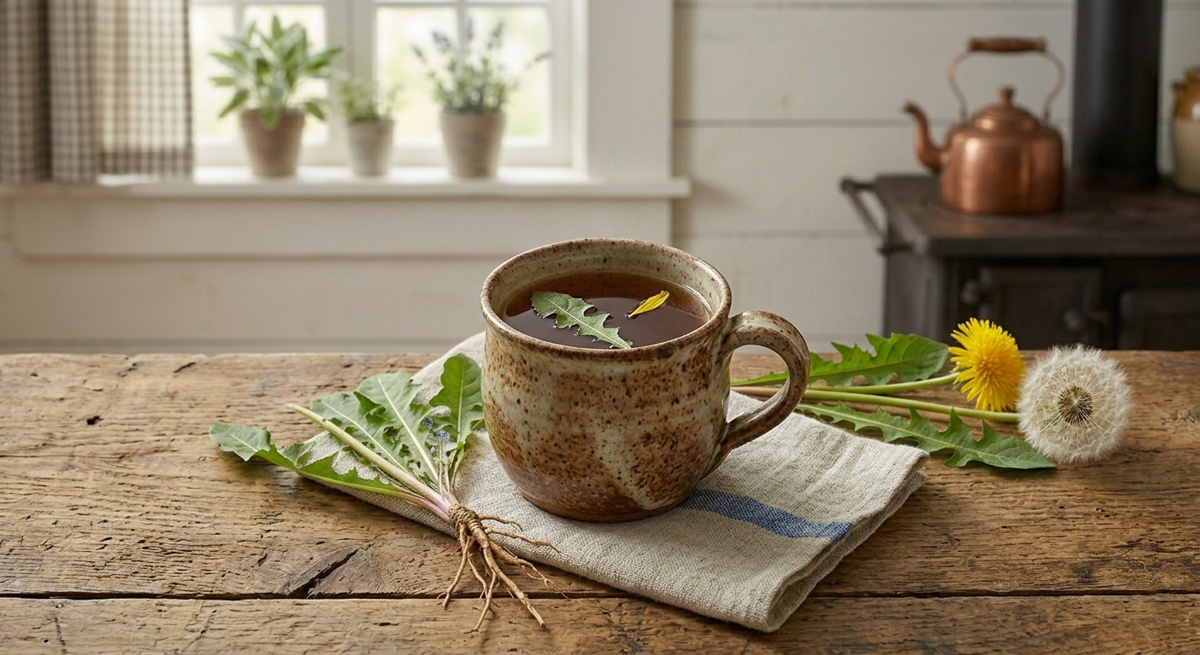
Dandelions are often seen as an annoyance in lawns and gardens, but they have a rich history and numerous health benefits. Originally from Europe and Asia, these yellow-flowered plants were brought to North America in the 17th century and have since spread across the continent.
Vitamin Source
While most people see them as a nuisance, dandelions have actually been used for centuries as a natural remedy for a variety of ailments. They are rich in vitamins A, C, and K, as well as minerals such as calcium, iron, and potassium. They also contain polyphenols and flavonoids, which are powerful antioxidants that combat inflammation and protect against diseases.
Skin Care & Massage Oil
Another popular use for dandelions is in skincare. To make a dandelion-infused oil, gather a handful of fresh dandelion flowers and place them in a jar with olive oil. Let the jar sit in a sunny spot for 2–3 weeks, shaking occasionally. After the infusing period, strain out the flowers and use the oil for skincare or massage purposes.
Remedies
Dandelions have been used for many remedies, such as aiding digestion, reducing inflammation, and detoxing the liver. They are also used for skincare, as they have anti-aging properties and can help to purify the skin.
- Dandelion Leaf Tea: Gather 4–6 fresh dandelion leaves, rinse them well, and chop them up. Add the leaves to a pot of boiling water and let simmer for 5–10 minutes. This acts as a gentle diuretic to help reduce water retention.
- Dandelion Root Tea: Dandelion root can be used for medicinal purposes. It can be found in supplement form or harvested and dried at home. It is great for aiding digestion, increasing appetite, and reducing inflammation. To make it, chop up the root and add 1–2 teaspoons to a pot of boiling water. Let the tea steep for 5–10 minutes, strain, and enjoy.
- Dandelion Poultice: For minor skin irritations or stings, crushed fresh leaves can be applied directly to the skin to soothe inflammation and promote healing.
Dandelion Harvest
When harvesting dandelions, it’s important to be mindful of their growth location. Avoid areas where pesticides or fertilizers have been used, and do not harvest from busy roadsides or contaminated areas.
- Fresh storage: Store in the fridge for up to a week in a sealed container.
- Dried storage: Dried leaves and roots can be kept in a cool, dry place for up to 6 months.
- Oil storage: Infused oils should be stored in a cool, dark place and used within 6 months.
>> Delicious Dandelions: Recipes and Ways to Enjoy This Nutritious Weed
The Pioneer View: A Survival Staple
To the early pioneers of North America, the dandelion was far from a weed—it was a treasured survivor’s tool. Having intentionally brought the seeds across the Atlantic, settlers relied on dandelions as one of the first “spring tonics” to emerge after a long, harsh winter.
Before modern grocery stores, pioneers suffered from vitamin deficiencies (like scurvy) due to a winter diet of dried meats and grains. The dandelion’s early arrival provided the essential Vitamin C and iron needed to revitalize the body. Every part was utilized: the leaves were eaten as bitter greens to “thinned the blood,” the roots were roasted as a coffee substitute when supplies ran low, and the flowers were fermented into wine. To a pioneer, a field of yellow was not a chore to be mowed, but a sign of health and a stocked pantry.
The Author:
Pioneerthinking.com: Ingredients for a Simple Life. Insights from a seasoned professional rooted in country living, with 28 years of horticulture expertise and over two decades of practical experience in homesteading, natural beauty and cosmetic creations, natural health, cooking and creative living.
Photo. Gemini