Preparing for Spring Livestock
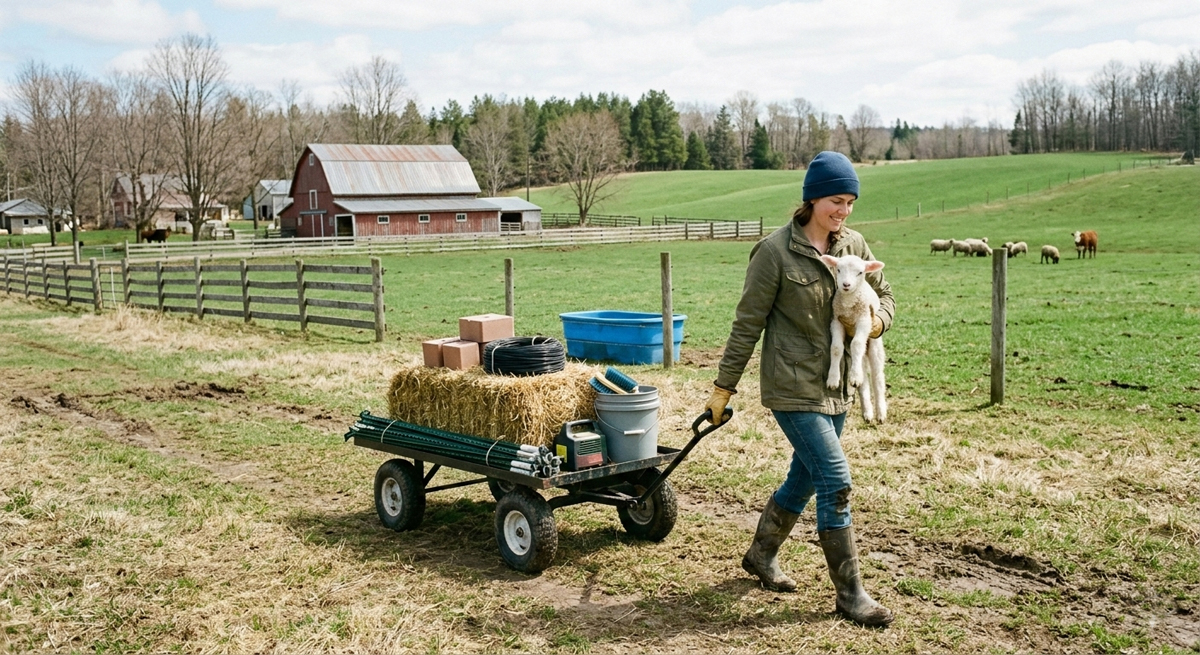
Spring is a season of renewal, and for livestock owners, it’s a busy and exciting time. New life arrives, pastures begin to green, and the promise of a productive season beckons. But before you get swept up in the magic, proper preparation is essential to ensure the health and well-being of your animals and a successful farming year. This comprehensive guide will walk you through the key steps to prepare your livestock and farm for spring.
1. Assess and Improve Pasture Health
- Soil Testing: Don’t assume your soil is healthy after a long winter. Get a soil test done to determine nutrient deficiencies and pH levels. This information is crucial for selecting the right fertilizers and amendments to optimize pasture growth and nutritional value.
- Rotational Grazing Plan: Develop a rotational grazing plan that allows your pastures to rest and regenerate. Overgrazing weakens the grass and makes it more susceptible to weeds and pests. Dividing pastures into smaller paddocks and moving animals regularly helps maintain soil health and ensures a consistent food supply.
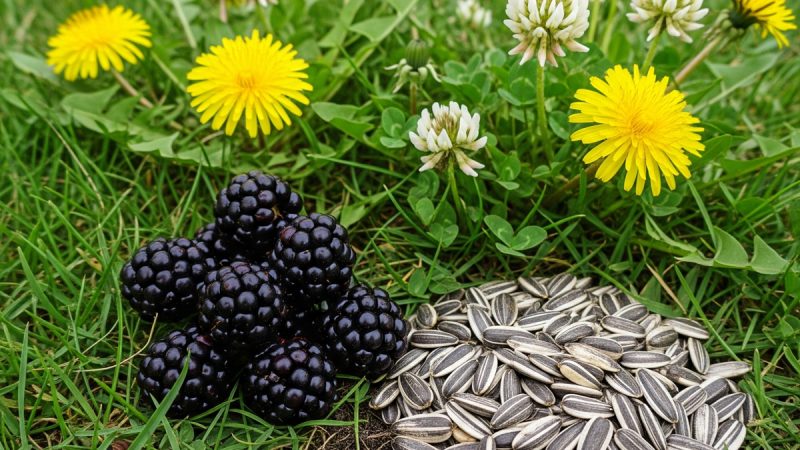
- Weed Control: Inspect pastures for weeds that may have gained a foothold. Consider safe and effective methods for weed control, keeping in mind the health of your livestock and the environment.
- Identify and Address Potential Hazards: Check for poisonous plants, unstable fencing, or areas prone to flooding that could pose a risk to your animals.
2. Ensure Clean and Consistent Water Sources
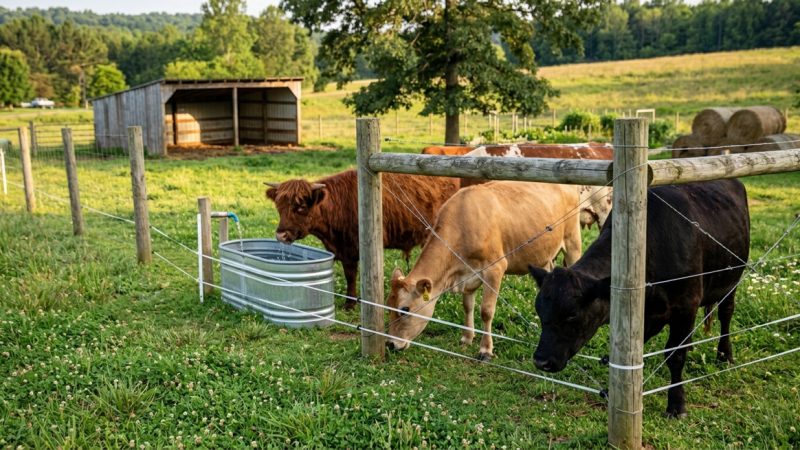
- Clean and Sanitize Troughs and Tanks: Winter weather can accumulate debris and bacteria. Thoroughly clean and sanitize all water troughs, tanks, and automatic waterers.
- Check Pipes and Valves: Inspect pipes and valves for leaks or damage caused by freezing temperatures. Ensure proper functioning to guarantee a continuous supply of clean water.
- Maintain Access to Fresh Water: Position water sources strategically within grazing paddocks to minimize travel time and competition among animals.
3. Prioritize Animal Health and Wellness
- Vaccinations: Schedule a consultation with your veterinarian to review vaccination protocols and ensure your livestock are up-to-date. This is especially important for diseases prevalent in the spring, such as clostridial diseases and respiratory infections.
- Parasite Control: Implement an effective parasite control strategy, considering both internal and external parasites. Discuss treatment options with your vet and consider strategic deworming based on fecal egg counts.
- Health Checks: Conduct thorough physical examinations of all animals, paying close attention to body condition, hoof health, and general well-being. Look for signs of lameness, respiratory distress, or skin irritation.
- Shelter and Shade: While the weather is improving, unpredictable spring storms or intense sun can still pose a risk. Ensure your animals have access to adequate shelter from rain, wind, and sun.
4. Prepare for Kidding, Lambing, or Calving
- Create a Dedicated Birthing Area: Establish a clean, dry, and well-ventilated space for giving birth. Provide fresh bedding (straw is generally preferred) and ensure the area is secure and easily observable.
- Gather Essential Supplies: Assemble all necessary supplies, including gloves, towels, iodine (for naval care), lubrication, nutritional supplements, and emergency contact numbers for your vet.
- Educate Yourself and Others: Familiarize yourself with the signs of normal labor and potential complications. Make sure all family members or staff are aware of what to look for and how to assist safely if needed.
5. Feed Management and Nutrition
- Adjust Diets for New Growth: As pastures green up, the nutritional quality of grass changes. Monitor your animals’ body condition and adjust their grain or supplement intake as needed. High-quality spring grass is often high in protein and energy but may lack certain minerals.
- Mineral Supplementation: Consult your vet or a livestock nutritionist to determine the appropriate mineral supplementation strategy for your herd or flock, considering the mineral content of your soil and water.
- Manage Transition to Pasture: Avoid rapid changes in diet, which can lead to digestive issues. Gradually introduce animals to spring pasture to allow their rumen to adapt.
6. Infrastructure Maintenance and Improvement
- Check Fencing: Inspect all fencing for damage, weak spots, or areas needing repair. Ensure electric fences are working properly and grounding rods are adequately grounded.
- Repair Handling Facilities: Inspect chutes, headgates, and sorting pens for any damage or malfunctions. Make necessary repairs to ensure safe and efficient animal handling.
- Store Feed Safely: Ensure feed storage areas are clean, dry, and secure to prevent spoilage and rodent infestations.
7. Stay Informed and Adapt
- Monitor Weather Forecasts: Keep an eye on the weather forecast to anticipate significant changes that might impact your livestock, such as late frost, intense rainfall, or unexpected storms.
- Connect with Fellow Farmers: Join local farming organizations, online forums, or community groups to share experiences and learn from other livestock owners.
- Learn from Your Observations: Continuously observe your animals and note any changes in their behavior, health, or nutritional needs. Adapting your practices based on your own experience is crucial for long-term success.
By taking these steps to prepare your livestock for spring, you are setting yourself and your animals up for a healthy and productive season. Remember, proactive management and careful attention to detail are key to minimizing risks and maximizing the potential of your farming operation. Happy spring farming!
The Author:
Pioneerthinking.com: Ingredients for a Simple Life. Insights from a seasoned professional rooted in country living, with 28 years of horticulture expertise and over two decades of practical experience in homesteading, natural beauty and cosmetic creations, natural health, cooking and creative living.
Photo. Gemini