Why Every Knitter Needs Handspun Yarn
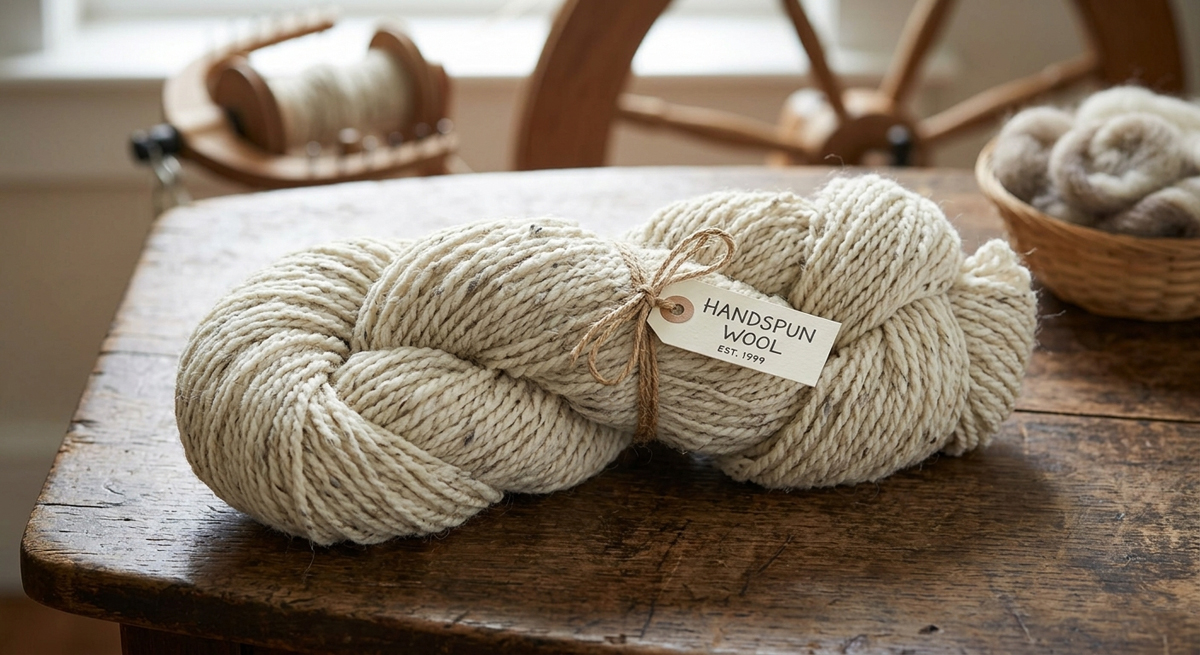
In a world of mass-produced, “big-box” yarn, handspun stands apart. It isn’t just a craft supply; it’s a connection to the land and a staple of the soulful home. As an artisan and knitter who has spent over 28 years documenting the “from-scratch” life, I’ve found that handspun yarn brings a level of character and durability to our work that a machine simply cannot replicate.
The journey of handspun yarn begins long before the needles click. It starts with the preparation of the fiber, a process that ensures the finished garment is as resilient as the hands that made it.
The Architecture of the Stitch: Strength You Can Feel
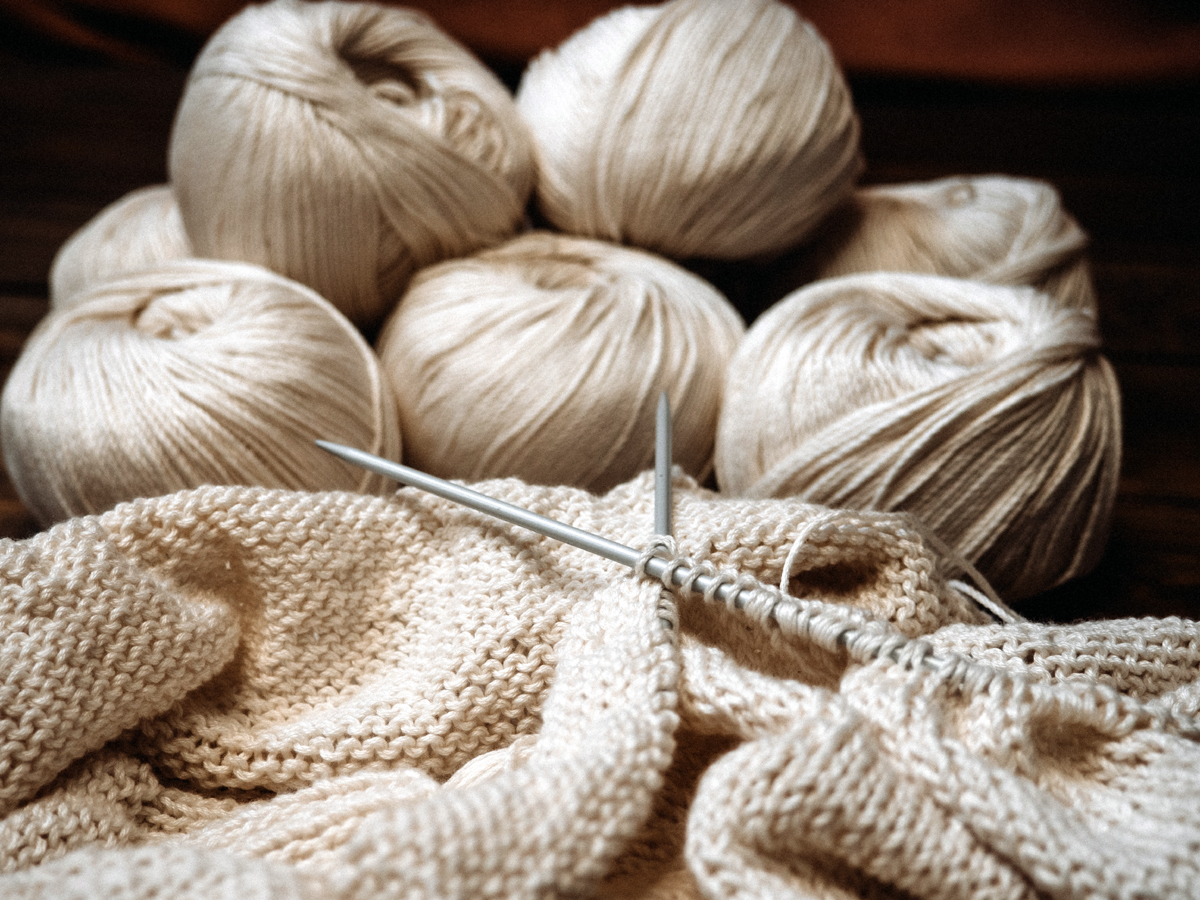
Factory yarn is made to be perfectly uniform so it can fly through industrial machines. Handspun, however, is engineered for the person wearing it. Because it’s twisted by hand, it possesses a structural integrity that commercial threads lack. A pair of work socks or a garden sweater made from handspun can handle years of real life—chopping wood, weeding, and hauling—without pilling or losing its shape.
Thermal Intelligence: The Original Performance Fiber
Industrial processing often strips wool of its natural oils (lanolin) and its “bounce” to make it easy to wash. Handspun yarn keeps those biological qualities intact. This means your finished hats and mittens stay warmer in the winter and don’t feel “stuffy” when you’re working hard. It is nature’s original performance fabric, working with your body temperature instead of against it.
Beyond the Dye Lot: A One-of-a-Kind Palette
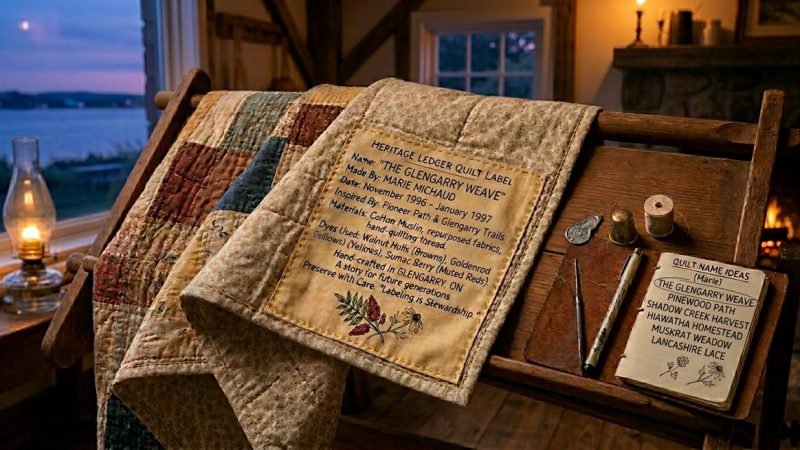
If you love the idea of a “from-scratch” wardrobe, handspun is your best friend. Because the fibers aren’t flattened by heavy industrial rollers, they are much better at soaking up natural colors. Whether you’re dyeing with onion skins, walnut hulls, or flowers from your garden, handspun yarn takes on those earthy pigments with a depth and “soul” that factory-processed yarn simply cannot replicate.
Tactile Meditation: Slowing Down the Needles
There is a unique “Pioneer Pace” that comes with working with handspun. The tiny, beautiful irregularities in the yarn—the “thick and thin” that marks it as human-made—force the knitter to stay present. This begins with the rhythmic brushing of the wool during carding and continues through every stitch. It is a form of yarn therapy that helps you slow down and appreciate the process of making.
Heritage Practice: Carding the Foundation
Before the wool can be spun, it must be carded. This is the essential bridge between the raw fleece and the finished yarn. Carding is the act of alignment—brushing the individual wool fibers so they all lie parallel.
To card your wool, you use two wooden paddles with wire teeth called hand carders. By loading a small amount of clean wool onto one carder and gently brushing it with the other, you open up the fibers and remove any remaining bits of hay or dust. Once the fibers are smooth and airy, you roll them into a neat, cigar-shaped bundle called a rolag.
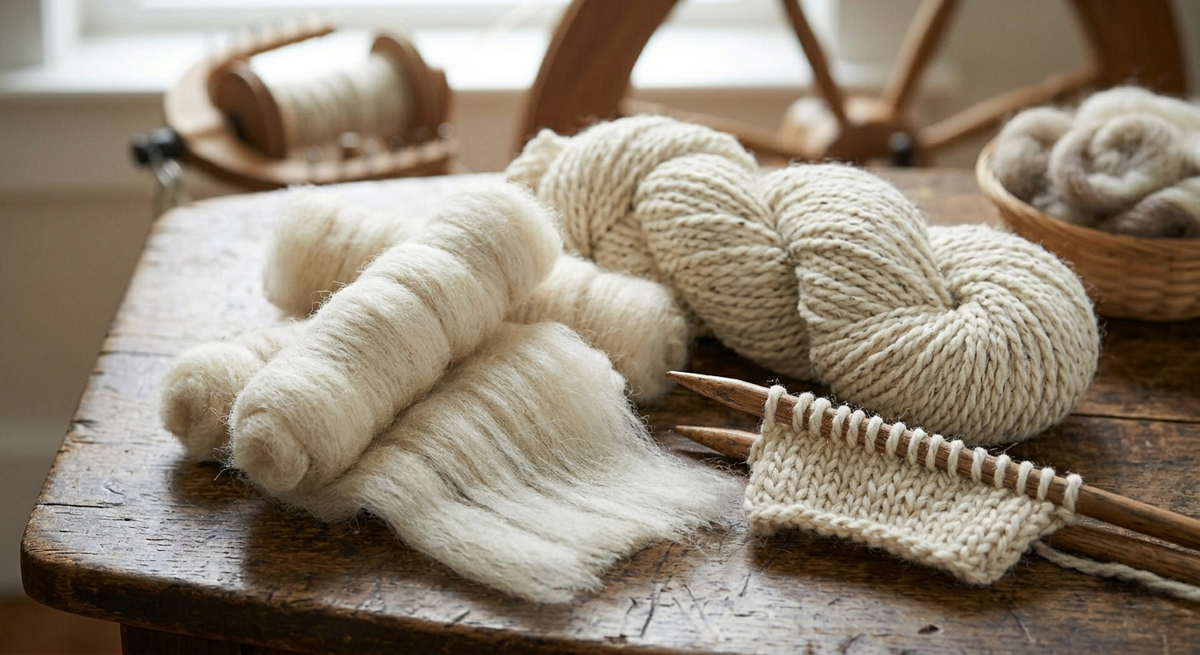
Knitter’s Tip: A well-carded rolag is the secret to a smooth, effortless spin. When knitting with the resulting yarn, I recommend using a slightly larger needle than usual; this allows the “bloom” of the handspun fiber to fill the stitches beautifully.
The Maker’s Sovereignty: Total Control of Your Craft
There is an incredible sense of security and pride in knowing you can create your own warmth. Handspun represents the skill of taking a raw fleece, carding it into alignment, and turning it into a functional garment. In a self-reliant home, this is the ultimate “Simple Life” insurance. It’s a skill that doesn’t require electricity—just a bit of wool, your tools, and your own two hands.
The Pioneer View: The Thread of Continuity
“In the heritage home, a ball of handspun yarn is more than a supply; it is a story of seasons. It began with the rhythm of the shear, was cleaned by the same waters that nourish our gardens, and was carded and twisted by hands that understand the value of labor. When we knit with handspun, we aren’t just making a sweater—we are weaving our own resilience. Each knot and ply is a testament to the fact that the most durable things in this life are those we craft ourselves, slowly and with intention.”
The Botanical Connection
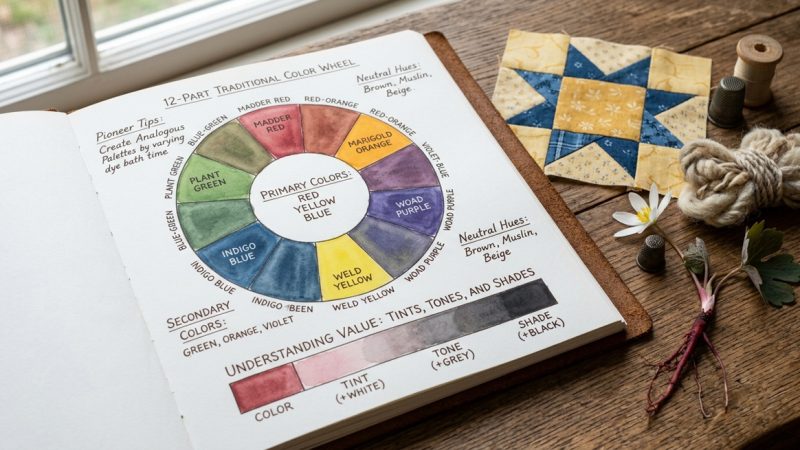
Before you sit down at the wheel, consider the botanical potential of your carded rolags. Hand-prepared fiber is uniquely receptive to natural pigments. Whether you are seeking the golden glow of Marigolds or the deep, earthy browns of Black Walnut, the “from-scratch” journey is made even more vibrant through the art of the dye pot.
Explore our full guide to Natural Botanical Dyeing here to learn how to color your harvest.
The Author:
Pioneerthinking.com: Ingredients for a Simple Life. Insights from a seasoned professional rooted in country living, with 28 years of horticulture expertise and over two decades of practical experience in homesteading, natural beauty, natural health, cooking and creative living.
Photo. Gemini