Cultivating Sunshine: A Guide to Growing Citrus Houseplants
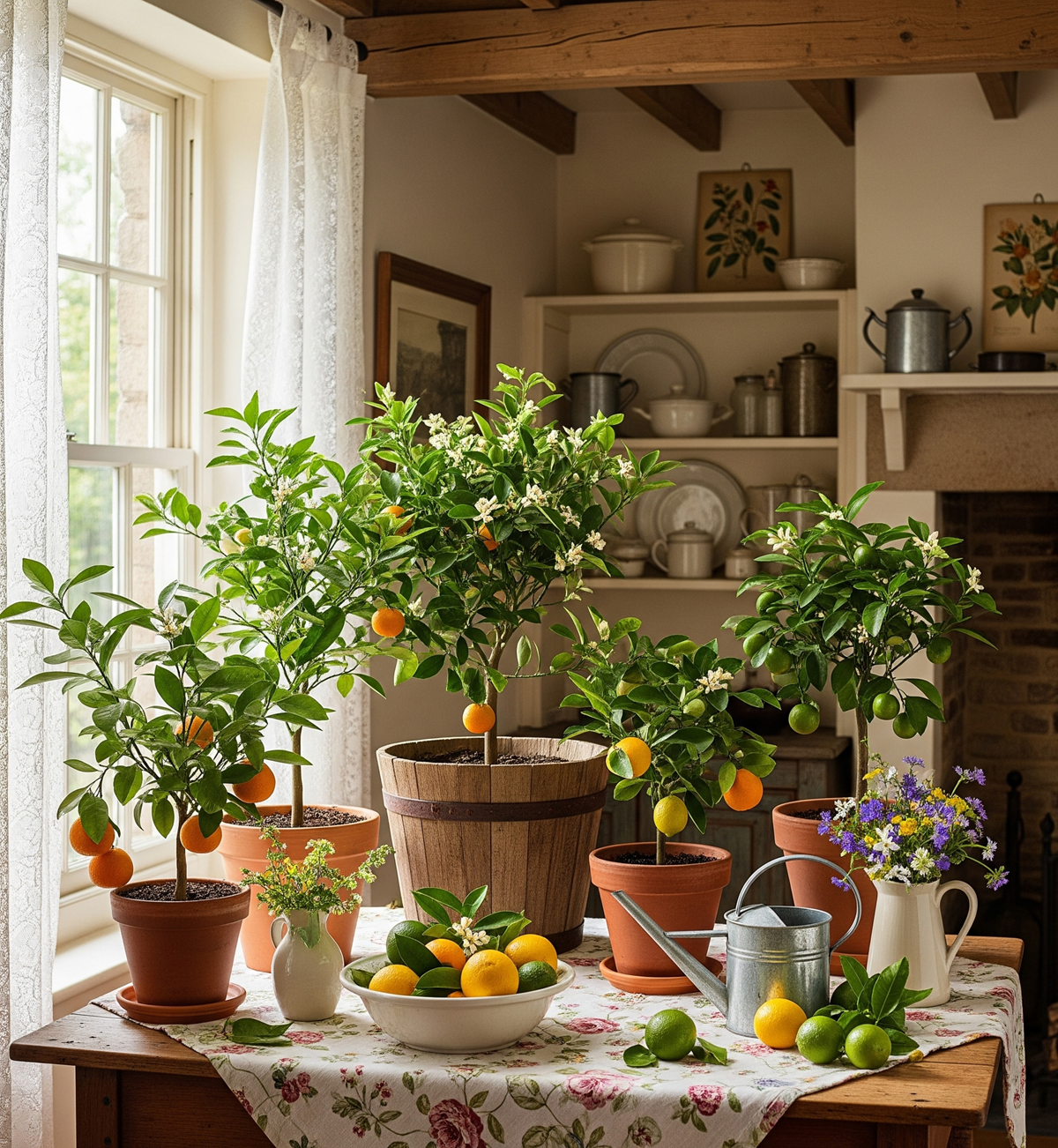
Citrus trees are among the most rewarding houseplants you can grow. Beyond their glossy evergreen leaves and intensely fragrant white blossoms, they offer the unique thrill of harvesting homegrown fruit. While they have a reputation for being finicky, understanding their specific needs for light, water, and nutrition can turn a struggling sapling into a thriving indoor orchard.
Quick Guide to Popular Varieties
To succeed, it is helpful to choose a variety suited to your space and culinary needs.
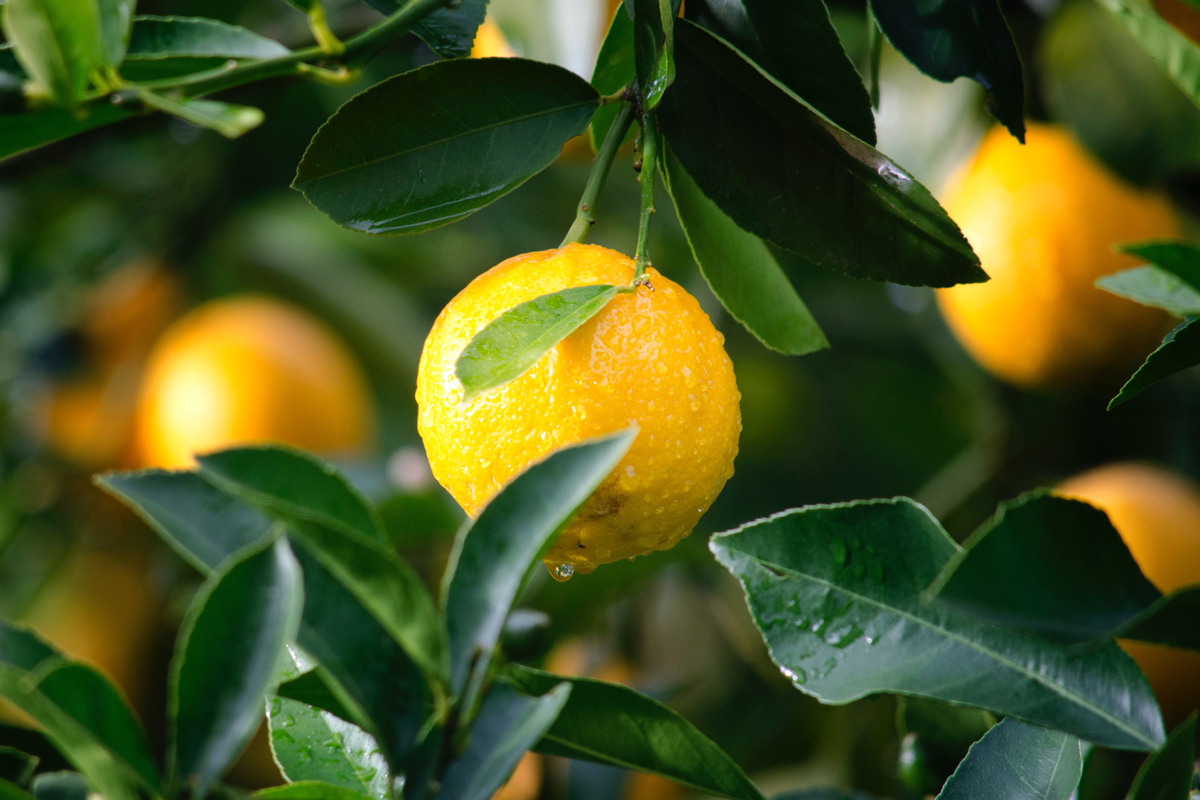
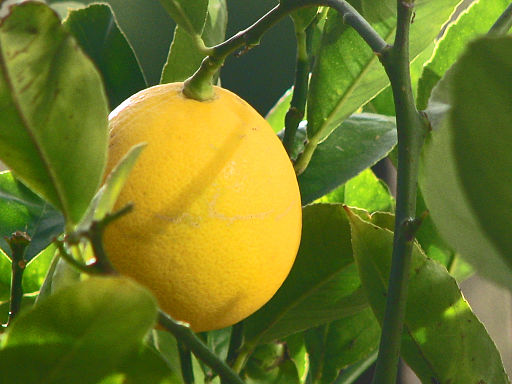
- Lemons (e.g., ‘Meyer’ Lemon): Perhaps the most popular indoor citrus. The Meyer lemon is a cross between a lemon and a mandarin, making it sweeter and more cold-tolerant than standard lemons.
- Useful for: Juicing, baking, and zesty garnishes.
- Mandarins & Satsumas: These small, bushy trees are prized for their manageable size and “zipper-skin” fruit that is easy to peel.
- Useful for: Fresh snacking and salads.
- Calamondin (Miniature Orange): This is the hardiest of all indoor citrus. It produces a massive amount of small, tart fruit.
- Useful for: Highly ornamental; the sour juice is an excellent substitute for lime in cocktails or marinades.
- Kumquats: These are unique because you eat the entire fruit—the skin is sweet while the inside is tart.
- Useful for: Candied fruit, preserves, or eating whole.
Essential Care and Maintenance
1. Lighting: The “Full Sun” Requirement
Citrus trees are sun-lovers. To produce fruit and flowers, they require 8 to 12 hours of bright light daily.
- Placement: A south-facing window is best.
- Supplemental Light: In winter, or if you lack a sunny window, use a full-spectrum LED grow light to prevent leaf drop.
2. Watering: The “Dry-to-Touch” Rule
The number one killer of indoor citrus is overwatering, which leads to root rot.
- Frequency: Never water on a set schedule. Instead, stick your finger two inches into the soil; water only when it feels dry.
- Method: Water thoroughly until it runs out of the drainage holes. Use room-temperature water (purified or rainwater is best) to avoid shocking the roots.
- Humidity: Citrus thrives in 50% humidity. Place the pot on a tray filled with pebbles and water to increase local moisture.
3. Fertilizer: Feeding the Heavy Drinkers
Citrus trees are “heavy feeders,” meaning they deplete soil nutrients quickly.
- Type: Use a specialized Citrus Fertilizer (NPK ratio like 5-2-6) that includes micronutrients like iron, zinc, and magnesium.
- Schedule: Feed every 2–4 weeks from spring through summer. Reduce feeding in the winter when growth slows.
- Pro-Tip: If leaves turn yellow but the veins stay green, your plant likely has an iron deficiency. Apply a chelated iron foliar spray for a quick recovery.
4. Insect Control: Managing Pests
Indoor environments can attract specific pests that love the sugary sap of citrus.
- Spider Mites: Look for tiny webs on the undersides of leaves.
- Scale & Mealybugs: These look like small brown bumps or cottony white tufts on the stems.
- Solution: At the first sign of pests, wipe the leaves with a damp cloth and spray the plant with Neem Oil or an insecticidal soap. Repeat every 7 days until the infestation is gone.
5. Pruning and Repotting
- Pruning: Prune in late winter before the spring growth flush. Remove any “suckers” (shoots growing from the base of the trunk) and thin out crossing branches to improve airflow.
- Repotting: Citrus likes to be slightly “pot-bound.” Move your plant to a container only 2 inches wider than the current one every 2–3 years, using a well-draining cactus or citrus potting mix.
The “Golden Rule” of Indoor Success
The more heat you give the plant, the more light it needs. If you keep your home very warm in the winter but the days are cloudy, the plant may drop its leaves in stress. Keeping your citrus in a slightly cooler room (around 60-65°F) during the dark winter months can actually help it rest and prepare for a burst of spring blossoms.
The Author:
Pioneerthinking.com: Ingredients for a Simple Life. Insights from a seasoned professional rooted in country living, with 28 years of horticulture expertise and over two decades of practical experience in homesteading, natural beauty and cosmetic creations, natural health, cooking and creative living.
Photo. Photo. Claudio Olivares Medina