The Gardener’s Home Apothecary: A Guide to Medicinal Bulbs
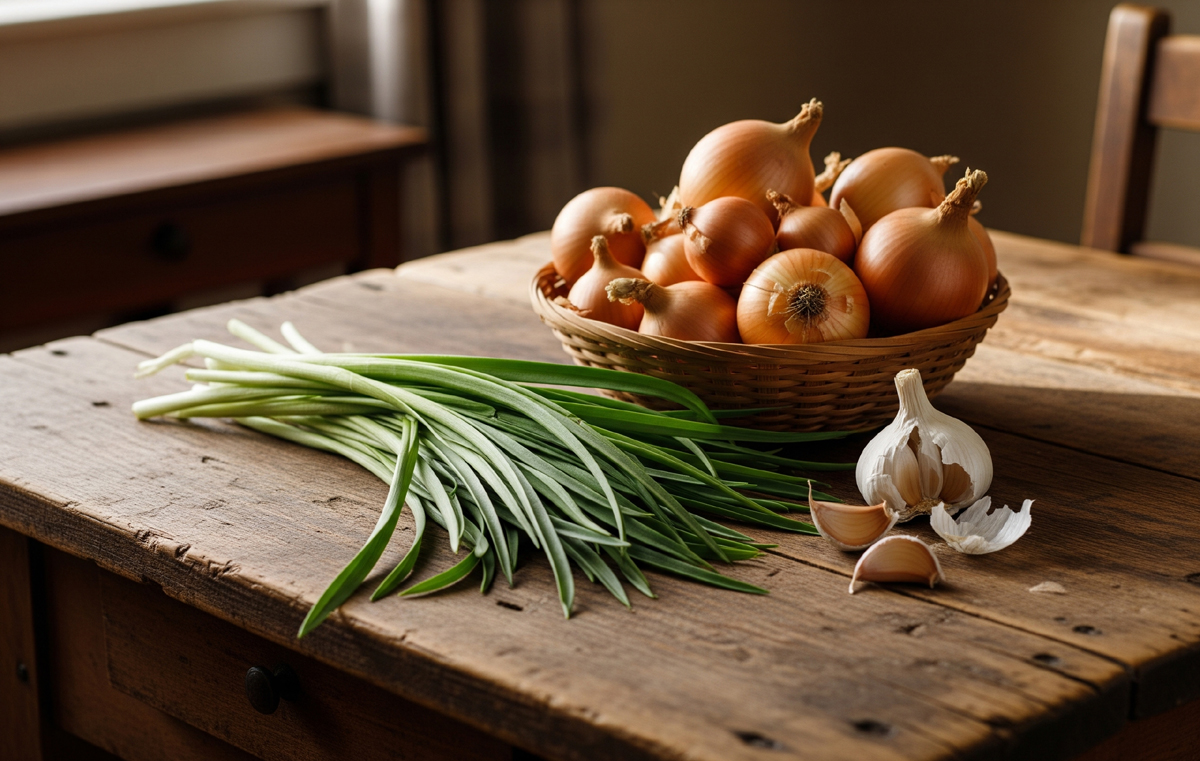
Cultivating a garden of edible and medicinal bulbs is a powerful act of self-sufficiency, connecting you to a rich history of healing and resilience. These humble plants offer more than just flavor; they provide a direct link to the wisdom of pioneers who relied on nature’s pharmacy to survive and thrive. By blending this historical knowledge with modern understanding, you can cultivate not only a bountiful harvest but also a deeper sense of wellness for yourself and your family.
The Allium Family: A Foundation of Natural Medicine
The Allium genus was a cornerstone of pioneer sustenance and medicine. These plants were relied upon for their robust flavor, preservative qualities, and powerful therapeutic properties in the absence of modern medicines.
Garlic (Allium sativum)
- When to Plant: Plant in the fall, typically from late September to early November in most climates. This allows for a full season of root development before winter.
- Pioneer Use: Pioneers carried garlic cloves to use as a powerful antiseptic for wounds and to ward off infections. It was crushed and applied to cuts, or a paste was ingested to fight fevers and various illnesses. Garlic’s preservative qualities also made it essential for curing meats and pickling vegetables.
- Modern Medicinal Properties: Garlic is a powerful antimicrobial, antifungal, and antiviral agent. Its active compound, allicin, is extensively studied for its ability to inhibit pathogens. It is also a significant contributor to cardiovascular health.
- Usage: To maximize benefits, consume garlic raw. Allicin is created when garlic is crushed or chopped. For general health, incorporate 1-2 raw cloves into your daily diet. For a simple home remedy, a honey-garlic tonic can be made by finely mincing a clove of garlic and mixing it with honey.
Onions (Allium cepa)
- When to Plant: Plant in early spring in colder climates or in the fall in milder regions.
- Pioneer Use: Onions were a staple home remedy for common ailments. A poultice of boiled onions was applied to the chest to alleviate bronchitis and congestion. Onion juice was also applied topically to soothe insect bites, and a syrup was made to calm persistent coughs.
- Modern Medicinal Properties: Onions are a rich source of antioxidants, most notably quercetin, which possesses significant anti-inflammatory properties.
- Usage: A traditional remedy for a cough is a simple onion syrup. Slice one onion and layer the slices in a jar with honey. Take one to two teaspoons as needed to soothe the throat.
Chives (Allium schoenoprasum)
- When to Plant: Chives can be planted in early spring or fall.
- Pioneer Use: While not as potent as garlic or onions, chives were a vital source of fresh greens and flavor in a pioneer diet often lacking in variety. Their mild flavor and easy growth made them a go-to for digestive upset and as a general tonic.
- Modern Medicinal Properties: Chives contain beneficial compounds similar to other alliums. They provide an excellent source of vitamin K, which is essential for bone health, and choline, which supports cognitive function.
- Usage: The most effective way to use chives medicinally is through regular, culinary use. Use fresh chives as a garnish on soups and salads.
Beyond Alliums: Unique Bulbs with Healing Potential
Wild Leeks (Ramps) (Allium tricoccum)
- When to Plant: Plant seeds or bulbs in the early spring or fall.
- Pioneer Use: Found abundantly in the woodlands of North America, wild leeks were a vital spring tonic for pioneers and Native Americans. After a long winter of salt pork and dried goods, these plants were one of the first fresh foods available, providing essential vitamins (especially Vitamin C) to prevent scurvy.
- Modern Medicinal Properties: Wild leeks are a nutritious source of vitamins A and C. They are traditionally used to help the body “cleanse” and replenish nutrients.
- Usage: The entire plant is edible and can be consumed raw or cooked. Use the leaves and bulbs in salads, soups, or stir-fries to get a powerful dose of vitamins.
The journey to building your own home apothecary begins with a single bulb. Choose one from this guide—whether it’s the versatile garlic or the dependable onion—and get your hands dirty. Plant it, tend to it, and watch as it transforms into a source of nourishment and medicine. The knowledge and resources are at your fingertips; all that’s left is to start.
The Author:
Pioneerthinking.com: Ingredients for a Simple Life. Insights from a seasoned professional rooted in country living, with 28 years of horticulture expertise and over two decades of practical experience in homesteading, natural beauty, natural health, cooking and creative living.
Photo. Gemini