Different Types of Wool from Alpaca Farming
Alpacas: Unique Wool Producers
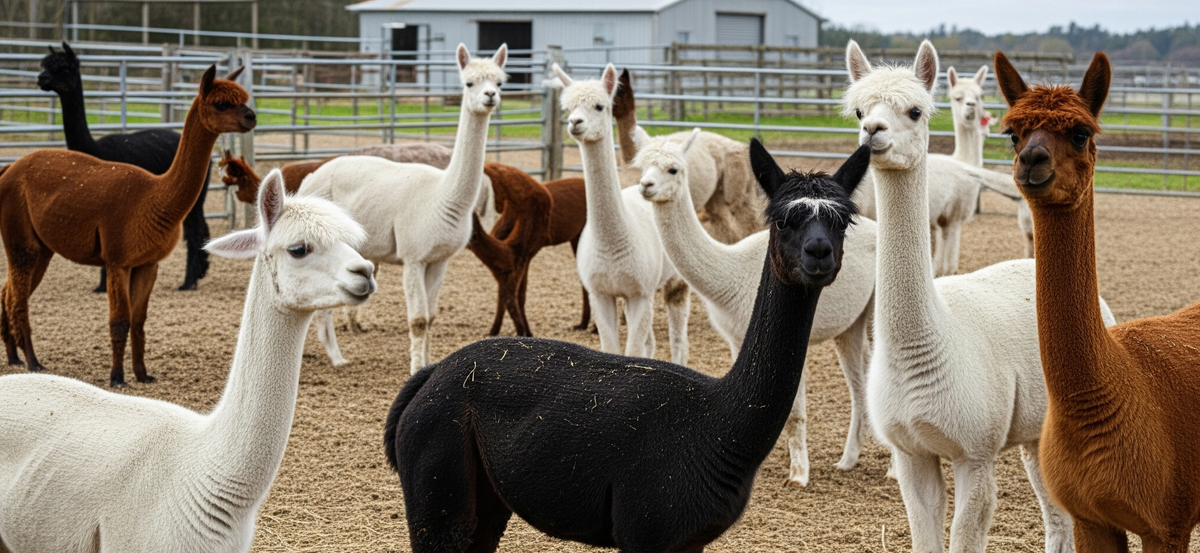
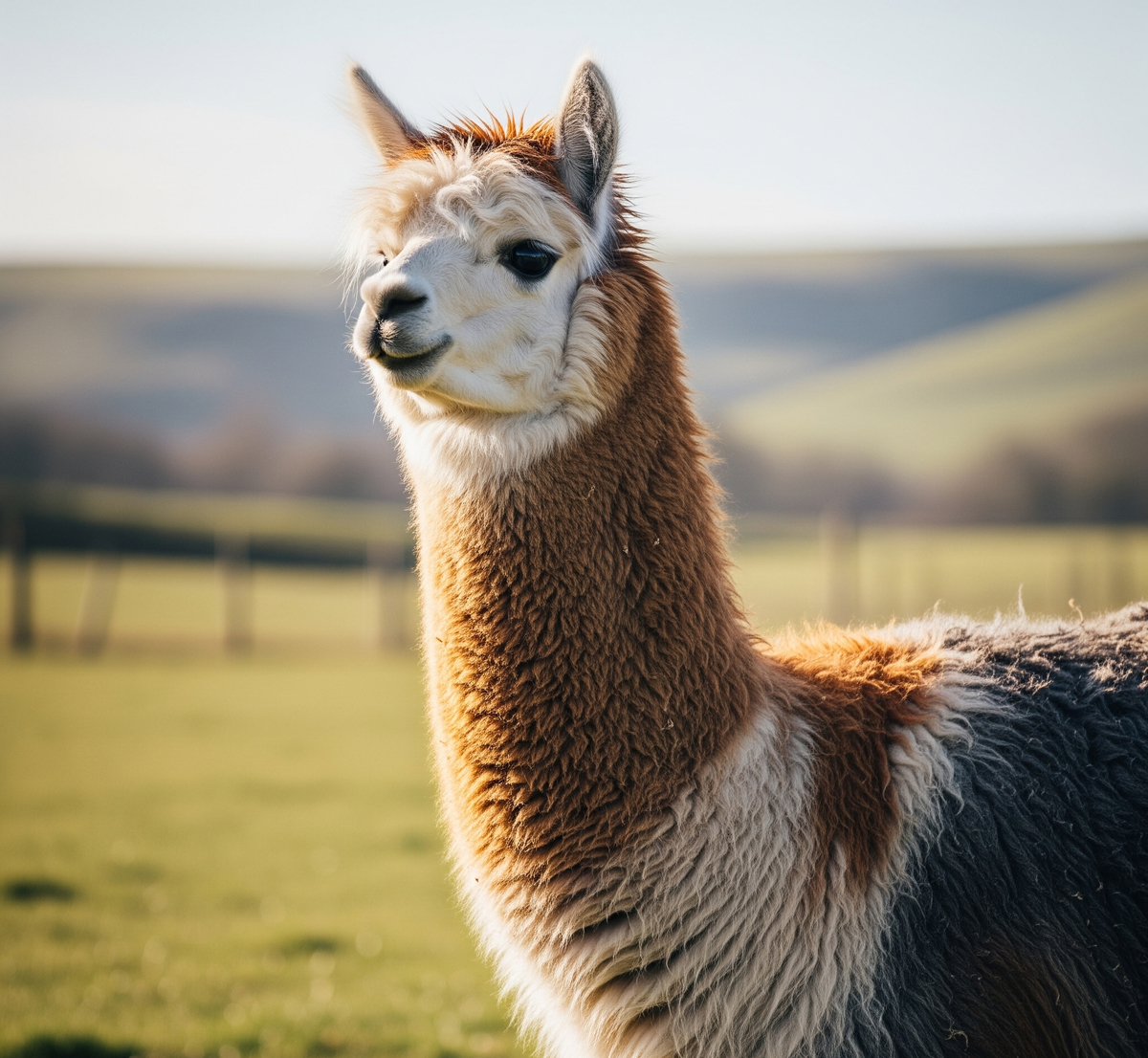
Alpacas produce different types of wool than other animals and are sought after for their uniqueness. They are camelids and are of the same family as their larger cousins the llamas. They can be bred with llamas to produce young called huarizo. While camels and llamas are usually used for pack animals or transportation due to their size, alpacas are more compact and are bred for their fiber and sometimes for their meat.
Sustainable Alpaca Farming Practices
There are no wild alpacas in the modern world although the smaller vicuna is said to be a wild ancestor of the alpacas. One significant advantage that makes alpacas preferable over other fiber-producing animals is the relatively small area required to raise them. Ten alpacas can be successfully raised per acre (0.4047 hectare). This may be partly due to a habit they have of not soiling their grazing area with waste. They will use a communal dung pile that is away from their grazing area. Often when one alpaca goes to the pile to urinate or defecate, others in the herd will follow and stand in line to use the pile. This behavior has been used to the advantage of farmers who have actually housebroken them.
The Unique Qualities of Alpaca Fiber
Alpacas are indigenous to high mountain ranges and are accustomed to very cold temperatures and rugged terrain. Their fibers are generally more densely packed on the animal than other fiber animals and are sometimes softer than standard sheep’s wool because of the lack of lanolin. Since there is no lanolin, alpaca fiber is considered to be hypoallergenic but the downside is that it does not naturally repel water. It is flame resistant and is graded by the diameter of the fibers and the amount of vegetable matter that is submitted with the sample.
Harvesting Alpaca Fiber: A Renewable Resource
Even though alpacas are sometimes raised for meat and their status as a delicacy in some areas make them a black market target, mostly they are raised for their fiber. They are sheared yearly along with a nail and teeth trimming. Often they are sheared by traveling professionals who make a circuit of farms and ranches to aid the farmers during annual shearing. Since they do not have to be killed in order to produce their fibers, they are a renewable resource and are often raised as a cash crop to farmers and ranchers all over the world.
The Unrivaled Color Palette of Alpaca Wool
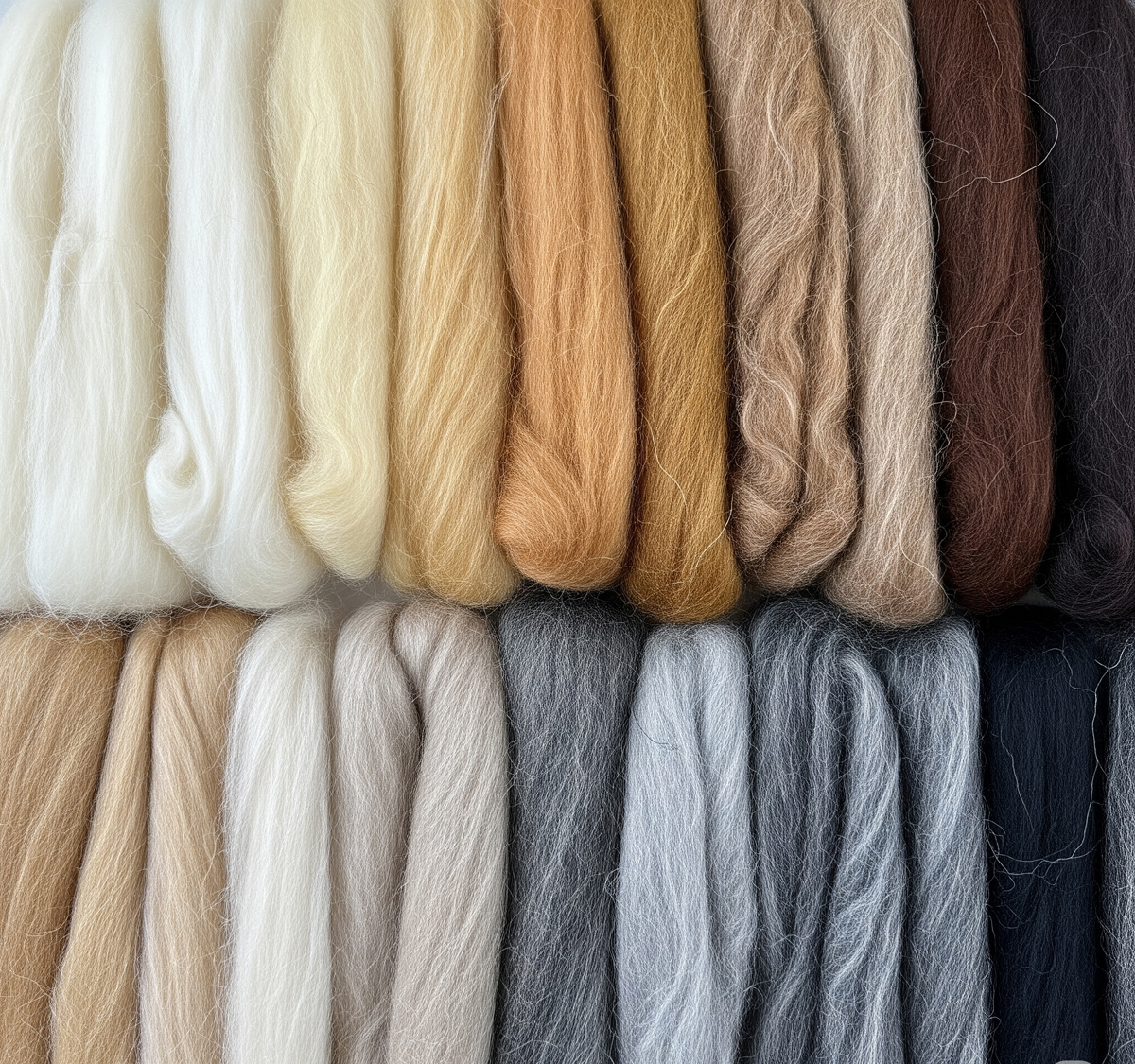
There are over eighty natural colors of alpaca fiber classified worldwide. This range in natural colors makes other types of wool that are standard white, grey, brown, or black less competitive.
Editor’s Note:
How Alpaca Fiber Resists Flames
Beyond its renowned softness and hypoallergenic qualities, alpaca fiber boasts an impressive natural resistance to flame. Unlike synthetic materials that can melt and stick to the skin when exposed to heat, alpaca wool is a protein-based fiber. Its tightly packed, dense structure, along with its inherent moisture content and elements like nitrogen and sulfur, makes it naturally resistant to ignition. Research from The Alpaca Research Foundation delves into these specific fiber properties, explaining how when subjected to flame, alpaca fiber tends to char rather than burn rapidly, forming a protective ash layer that insulates the underlying material. This self-extinguishing property, coupled with its low heat release, makes alpaca fiber a safer choice for textiles in various applications, from clothing to home furnishings, meeting stringent safety standards without the need for chemical treatments.
The Author:
Whilst the main professional of Alan B. Stable is an animal skin trader, selling such goods as sheep skins, he occasionally sells animal by-products like raw greasy wool. This entails a knowledge of wool testing and the different types of wool, as well as an understanding of the characteristics of a merino fleece.
Photo(s). Gemini