
Bees Wax: History and Origin
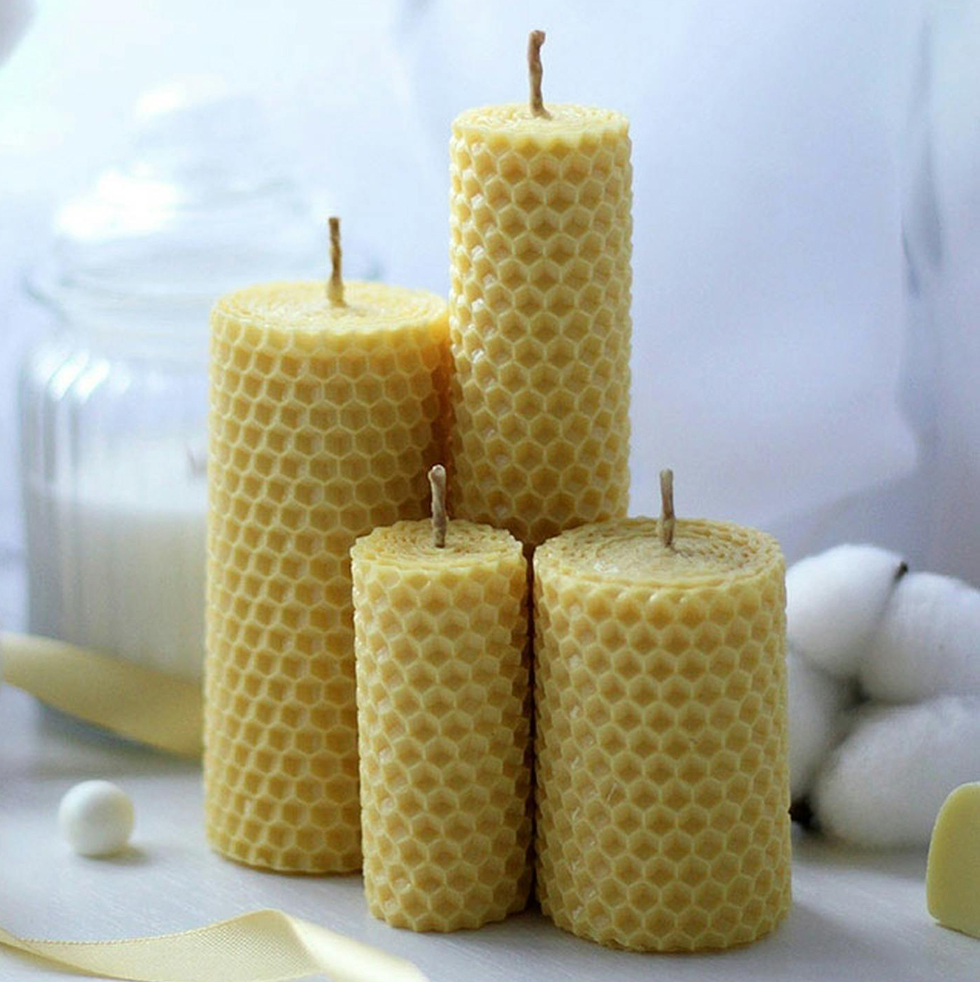
Beeswax: History and Origin
We have often been asked where wax comes from. Well, there are many types of waxes, and beeswax has been around for a long while. There are many mentions of beeswax in historic writing, such as the myth of Icarus, son of Daedalus, who put on wings of wax. As he flew too close to the sun, the wax melted and Icarus fell to his death. His father, with more experience, flew closer to the ground and made it to Italy.
In Roman times, Pliny (who lived from 23 AD to 79 AD) described white beeswax, which he obtained by boiling yellow beeswax in salt water. This was then used in broth and fed to those with dysentery; it was also used as a skin softener. To this day, some beeswax is still used in cosmetics.
Virgil, the great Roman poet (well, I do not think the stuff is that good), wrote of an invention by Pan, the guardian of the bees (an ancient beekeeper man), who made a flute of reeds held together by beeswax. During the Middle Ages, wooden panels covered with beeswax were noted by Homer, the Greek poet. Many Romans were honored by having statues of themselves made in beeswax—and thus, today we have the Movieland Wax Museum in LA. Romans also occasionally wore death masks as well.
The Egyptians used wax figures of deities in funeral ceremonies and placed them in graves. In 400 BC, Greek historians noted that Persians coated bodies in wax as a form of embalming. The Assyrians covered bodies with beeswax and then dipped them in honey. Hey honey, who knows? In 181 BC, when the Romans defeated the Corsicans, they imposed a tax of 100,000 lbs of beeswax. The Romans also demanded beeswax when they conquered the city of Trebizond in the first century AD.
In Medieval Europe, wax was a unit of trade for taxes and other debts. In 1330, farmers in one region of France paid 2 lbs of beeswax per year. In 1632, records show that a French monastery called for rent of 600 lbs of beeswax per year. Also, in 1371, a petition was presented to the London Court of Aldermen on behalf of the Worshipful Company of Wax Chandlers, which established them as the world’s oldest English Guild. In 1483, the company received a Royal Charter with authority to oversee the craft of wax chandlery. When faults were found, they had the power to punish the offender, which included seizing the wax.
Beeswax candles were, at one time, required by the Roman Catholic Church as the exclusive and only candles allowed. Bees were brought to Puerto Rico by the church and the early priests and conquistadors. These same bees, although dwarfed in comparison to the original bees, still inhabit the island today.
Today, beeswax is sometimes used in automobile waxes, but it is most commonly used in furniture wax and polishes. You can make your own wax very easily; my ancestors did on their plantation on Cape Cod. First, you need a couple of pots to boil in and a pot of hot water.
Liquid Beeswax Furniture Polish is simple:
-
1/4 cup Ivory soap
-
1/4 lb beeswax
-
1 cup turpentine
-
1/2 cup water
Dissolve the soap in hot water. Put the shaved wax into the turpentine and slowly melt them together. Then, pour the soap mixture into the mix and stir with a wooden spoon. Once well-stirred, pour it into a glass jar and there you have it—very easy.
Beeswax Cream Furniture Polish (which can also be used on cars with a lessened amount of turpentine) is made using:
-
1/4 lb beeswax
-
2 cups turpentine
-
1/4 cup liquid Ivory soap
-
1 cup warm-to-boiling water
-
1/4 cup pine oil
The only difference is that you have to make sure all the beeswax is dissolved first and cooled, then mix it into the warm soapy water until it congeals, then reheat and dissolve together. If you reduce the turpentine content, you can use it on your car, too. It goes on smooth and works well. Although I am partial to Carnauba wax for cars because of its ease of use, from a realistic standpoint of protection, Carnauba only lasts three months, while the beeswax melt might last slightly longer.
For Solid Beeswax Furniture Polish, which is preferred by the antique dealers we met on the back roads of NH, VT, and Maine, all you do is use equal amounts of linseed oil, beeswax, and turpentine. The finished product is golden brown and translucent, and it looks rich. Now, you’ve likely smelled lemon oil in furniture polish; this can easily be added to the boiling water during the process.
There are many good waxes to use on cars that you would not put on surfboards, furniture, or statues. Wax is even found in the human ear! There are two different types, and your genetics dictate which one you have. Most plants have a thin protective coating of wax as well. Most fruit and citrus trees, as well as vegetable plants, have wax on the produce and leaves that we eat. Waxes are also produced by animals and some fish. Other wax components are found in minerals and petroleum products. There are also polymer or synthetic waxes, manufactured by man into various types. We really get waxes from a variety of sources.
The Carnauba we discussed is a preferred wax for many detailers. Carnauba wax comes from the leaves of the Carnauba palm tree. The best Carnauba wax comes, in my opinion, from the palm trees of Brazil. You can tell a good Carnauba wax by how the water beads up when you detail your car.
Candelilla wax comes from a plant that grows in parts of Mexico, Panama, Costa Rica, Nicaragua, and Guatemala, and sometimes in the Southwestern United States. It is a brown wax, and not only have people used it on cars, but it is also used in phonograph records, floor dressings, and candles. Although it is a major component of candle wax, it is normally mixed with other waxes in the candles we use at home.
Polymer wax includes the very popular Teflon—yes, a polymer brand name used by DuPont. Polymer wax is a chain of compounds made from petroleum sources and, nowadays, from corn products. Polymers, which are strung together, are generally applied in specific thicknesses to clear coats on cars. Depending on the mixture, they can be quite incredible indeed. So good, in fact, that they are often called “sealants,” and some last as long as a year when applied in the right mixture and thickness. The word “polymer” is very vague in this regard, since polymers are used to make plastics, coatings, and many other products.
Generally, short chains of ethylenic polymers are the type used by professional and amateur automotive detailers alike. Many in the aviation industry use them when doing specialized aircraft cleaning. We estimate that 80% of all automotive detailing and aviation commercial wax is petroleum-based. Petroleum wax is chemically inactive, which is probably why it is so widely preferred. It is also cheaper to make than to harvest and has tons of uses. You cannot smell it unless cleaners are added (which is often the case), but it will not react to cause an odor.
Bayberry wax, which comes from the berries of the shrub of the same name, is also used in candle making. How is this produced? From bees, using the same wax they use to make hives. Beeswax is used for many things common to man: candles, polishes, cosmetics (mostly makeup), crayons, and artificial flowers. Beeswax is another wax you can use on your car; it is hard to spread, but it will give off a great shine. The problem is it gathers dust too quickly, but it does look cool.
Wool wax from animals is also common. It is called Lanolin and, after purification, is used in soaps, cosmetics, and certain first-aid ointments. Petroleum wax can also be made hard, giving us a new type of wax: Paraffin. This is used in paper products (cups, paper plates), graffiti, and petroleum jelly. All synthetic waxes are compounds of hydrogen, carbon, oxygen, and/or chlorine. Chemists will forever be trying to make the perfect wax for cars, boats, and aircraft to protect us from the harsh climates on the surface of this little blue planet.
These chemists are driven by desire and need. The possibilities are endless as new compounds are added to existing ones to bring up whole new blending ideas. Some will revolutionize our industry, but most will simply be duds. Some will be hyped even though they do not really solve a problem or meet a need. Nevertheless, the race goes on to find the best, and we should be thinking about what is in a product before we put it on a customer’s car, boat, aircraft, or prized possession. This is what the professional detailer does. This is why we are experts in car care and call ourselves auto detailers, rejuvenation specialists, and professional auto detailers.
There are so many types of waxes that we know of. From the organic waxes containing carbon materials, which melt at fairly low temperatures, the chemical and biological makeup of waxes is diverse and complex. There are many considerations regarding grades, properties, surface uses, and lifespans required to really understand waxes in depth, but I hope this has cleared up some of the complex issues concerning wax—how it is made and where it comes from.
The Author:
Lance Winslow is a retired entrepreneur and member of WTT
http://www.WorldThinkTank.net/
Photo. Kristina Umaeva
Source: EA
The Pioneer Way: Wilderness Wax
by Pioneerthinking.com
In the early days of the American frontier, pioneers couldn’t just head to a store for a tin of specialty polish. They relied on what the land provided, and for most, that meant Bayberry wax and Tallow.
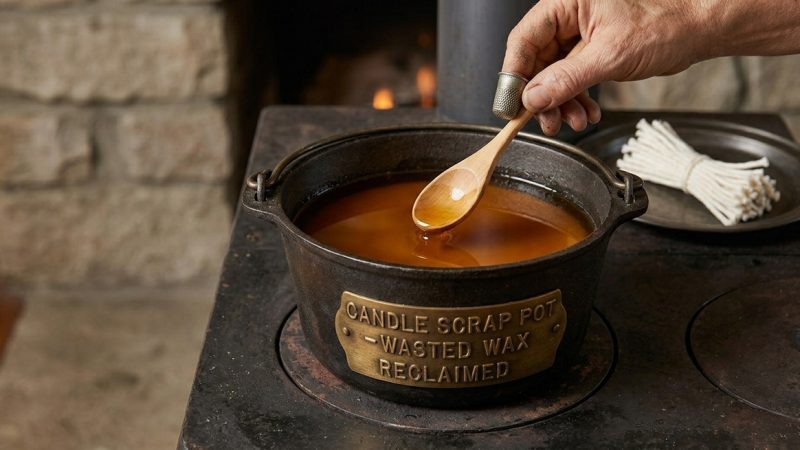
Bayberry wax was a favorite for making “luxury” candles because it smelled wonderful and didn’t melt as easily in the summer heat as animal fats did. Pioneers would gather thousands of tiny grey berries from the bayberry shrub, boil them in large kettles, and skim the green wax off the top. It was hard work—it took about 15 pounds of berries just to make one pound of wax!
For everyday chores, however, they used Tallow, which is rendered animal fat (usually from cattle or sheep). While not technically a “wax” by modern chemical standards, they treated it like one. They used it to waterproof their leather boots, grease the axles of their wagons to keep them from seizing up, and even to coat their iron tools to prevent rust during the damp winters. It wasn’t always pretty, and it certainly didn’t smell as good as the beeswax we use today, but for a pioneer on the trail, a bit of wax was often the only thing standing between a working tool and a broken one.




love your post here on the history of beeswax